



A tale of dolphins and SALT at Seawork
Hard on the heels of winning a contract to design and develop a passive marker for the UK’ s Minstry of Defence (MoD), Subsea Asset Location Technologies (SALT) will be appearing at Seawork to show off just how an elegant use of materials can revolutionise underwater location, and stop marine mammals getting caught in nets.
To find equipment (or anything else) in anything but clear shallow water requires the use of sonar. Even with sonar visualising the water column or sea bed is difficult and the commercial marine industry often has to resort to using powered transponders to tag and then locate key equipment.
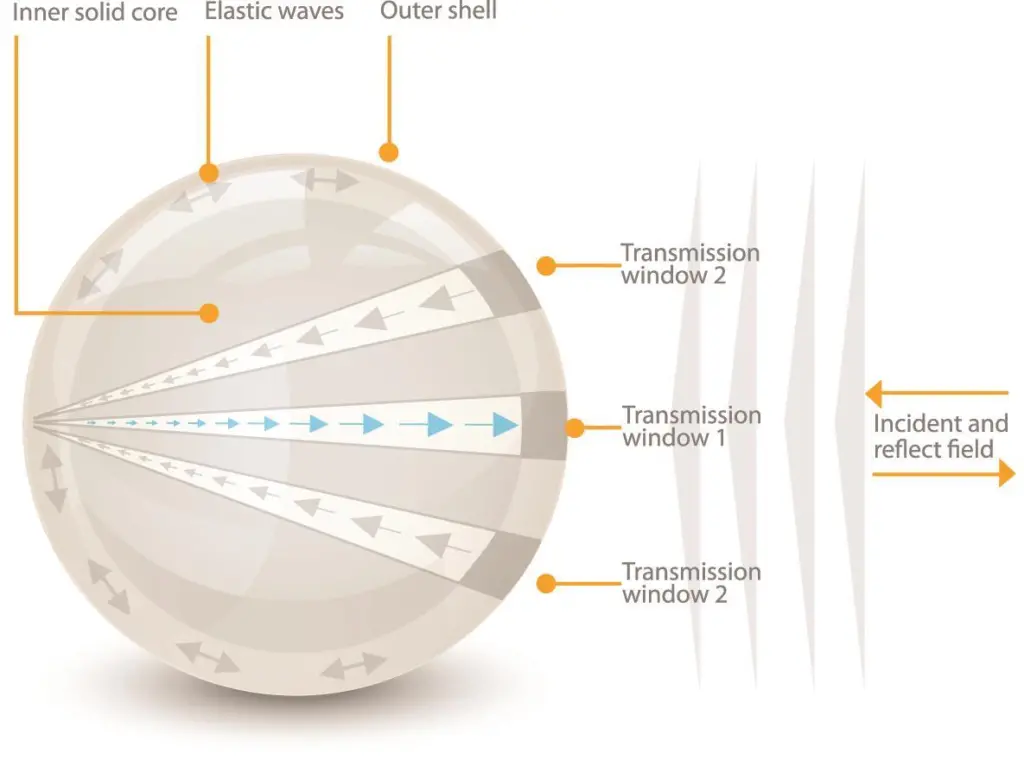
Such powered transponders are not only expensive but require regular routine maintenance depending on use and battery life. Obviously this limits their applicability. SonarBell is a passive reflector which acts much as a ‘cats-eye’ does in the road. It takes in external energy and provides a strong ‘reflection’ in return, magnifying the original signal back to the searchers.
While it simply looks, at first glance, like a bowling ball, to sonar it reflects back a distinctive signal, and it does so while not needing an internal power source itself. The SonarBell works the magic by utilising the two materials of its shell and core. These create a constructive interference which delivers a return signal significantly above what might be expected from a hard reflecting sphere. Moreover, they do require a lot of expensive kit. The units can be detected with anything from a cheap fish finder up to the expensive multi-beam systems used in the survey industry.
SALT’s Carl Tiltman said that SonarBells are aimed at many market sectors besides military use. Workboat applications would include navigation and the marking of such as dredging lanes and hazards, but they can also be used for keeping track of equipment, oil and gas pipeline marking, cable identification, diver location and monitoring, and wreck marking . The SonarBell units can also be used to provide navigation lanes on the seabed just like red / green surface buoys.
But they may also mean less dolphins get caught in things like tuna nets, as Mr Tiltman explained, ‘If SonarBells are put on the large fishing nets they respond at a frequency which can alert the mammals that nobody wants to catch. SALT can make the SonarBell respond at an effective frequency for just this job, so four to six on a drift net will allow the mammal to see the net much better using its sonar.’
Work on this aspect is ongoing with the Australian Fishery Department. Find out more on Stand 26 at Seawork 2009.
Related Articles
 VESSELS
 MARINE CONSTRUCTION
 VESSELS