

Two ETVs gain temporary reprieve
Just days after the quartet of British Emergency Towing Vessels (ETVs) left their established stations around the UK coastline, two have been given an eleventh hour reprieve under a new temporary 90 day contract.
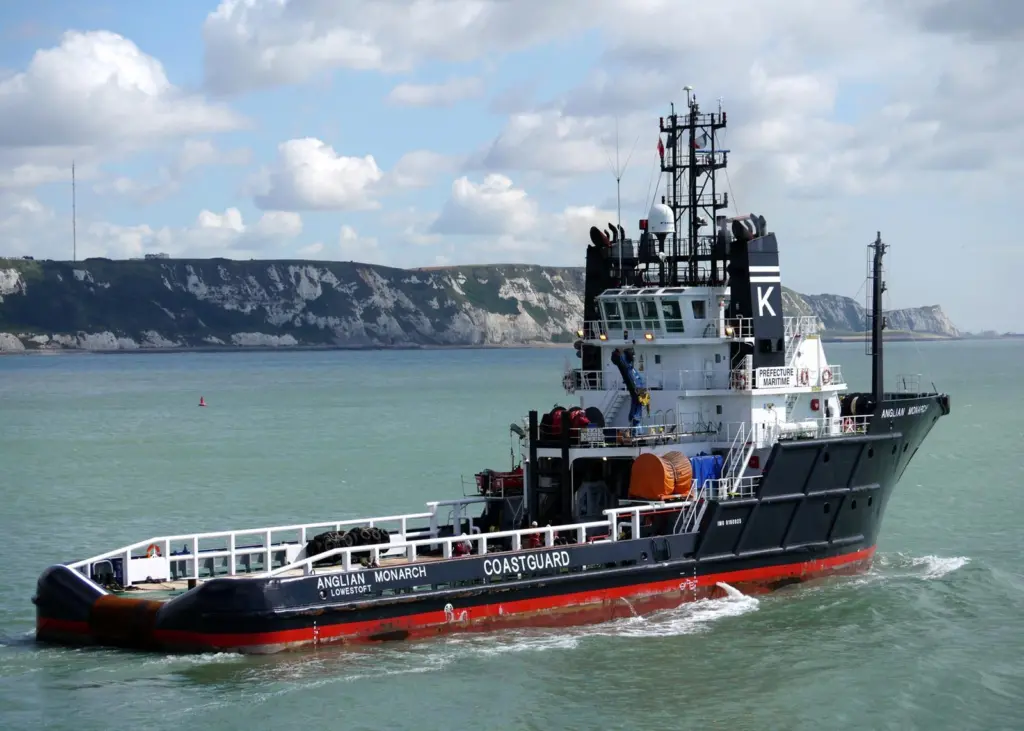
The ETVs concerned are those based in the Western Isles and Shetland. The original tugs serving the area had both been withdrawn and the Maritime & Coastguard Agency (MCA) went through the established tender process prior to awarding the temporary contract to the original contractor J P Knight (Lowestoft) Ltd, which then moved quickly to put ETVs in place.
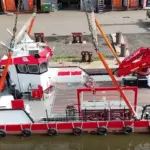
The Anglian Sovereign went back to its former station off Shetland and the Northern Isles and the Anglian Monarch, originally the ETV for the Dover Strait, moved to Stornoway and the Western Isles. The two vessels will carry out normal ETV duties, responding to ships that get into difficulties in Scottish waters, carrying out escort work through the dangerous waters of the Minches in bad weather, and other tasks to assist the emergency service.
The initial decision to scrap the tugs sparked outrage in Scotland and the Islands, with the Scottish Government MPs and the various Highlands and Islands Council representatives calling for a reversal of the decision. It has been reported that the concerted work of Orkney and Shetland MP Alistair Carmichael and other influential Scottish MPs was of crucial importance in securing the short extension.
In a television interview at the time, Environment Secretary Richard Lochhead said he was pleased UK ministers had listened to campaigners’ concerns. “If confirmed, this stay of execution is the right thing to do and I am pleased that UK ministers have listened to the case put forward by the campaigners who asked for this. However, it’s now important that the UK Government identify and fund a long term solution, otherwise the contract will come to an end bang in the middle of winter, which would be dangerous. I will continue to press the UK Government to live up to its responsibilities in this regard.”
It comes as no great surprise that any change of heart by the UK Government has enabled the Northern ETVs’to be reinstated. The tugs were first introduced following of the Braer accident in 1993, when an oil tanker ran aground off Shetland spilling 85,000 tons of crude oil into the sea, and the subsequent report ‘Safer Ship & Cleaner Seas’ was published by Lord Donnaldson.
The current 90 day arrangement will expire in mid-January and it is inconceivable that a more lasting arrangement will not be put in place by the MCA to cover at the very least the remaining winter months. At the time of writing no further tender has yet been issued. It is rumoured that the amount of funding likely to be available still has to be determined before a new arrangement is tendered.
Although there is now the some real hope that a realistic ETV service can be reinstated in the Scottish region, there is no sign of a similar process taking place in the English Channel and Western Approaches.
By Jack Gaston
Related Articles
 EQUIPMENT
 MARINE CONSTRUCTION
 FEATURES & VIDEOS