



Issues for diesel-electric development
The push towards diesel-electric power generation is beginning to gather momentum as bigger cranes and powerful onboard equipment results in workboats, construction and lifting vessels facing a very variable power draw.
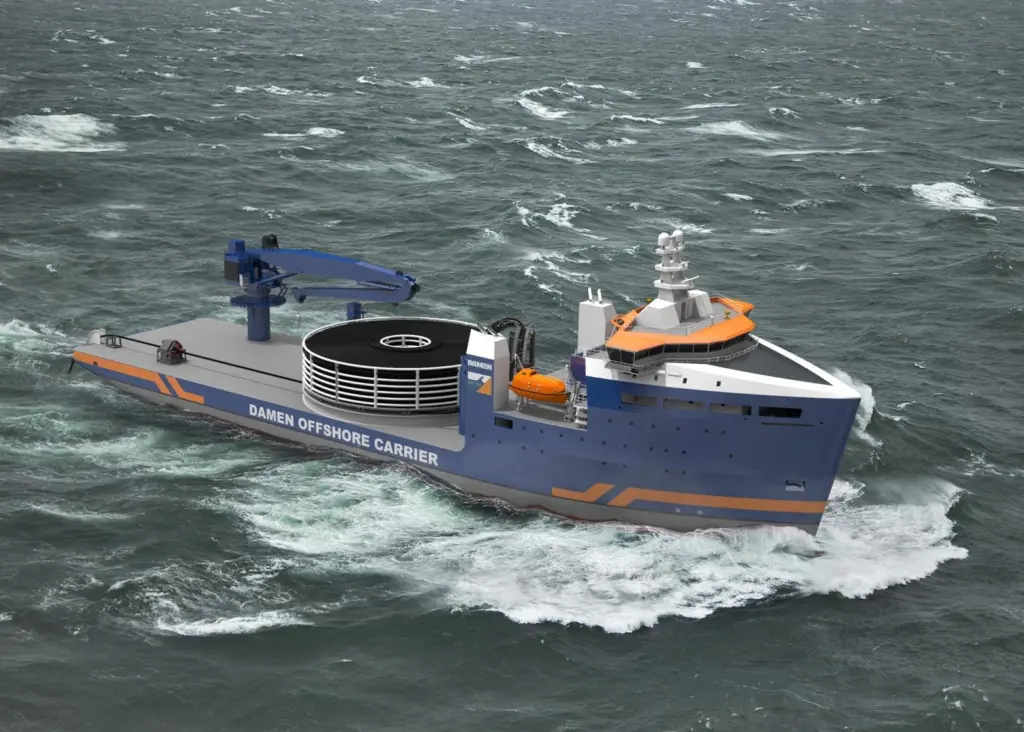
However, there are more issues to keep on top of than one might think. Jose Gonzalez, senior environmental specialist at Lloyd’s Register, explains that although marine power has come a long way, boosted by onshore developments and crossover technology, there’s still a difference. “Land based power generation usually involves very sophisticated electronic control systems able to monitor and control a good number of features and parameters of the installation; plus they also benefit from being tuned to a specific location.” Ships obviously move, and usually have fewer gensets to balance out the stresses, so the design and operational challenges are more complex.
There are low loading scenarios to deal with. these are perennial, caused by many kinds of operation including craft using Dynamic Positioning applications. Mr Gonzalez points out “there are maintenance implications over all these scenarios”. For instance, long periods of excessive oil consumption can produce carbon deposits that build up on the valves, heads, rings and spark plugs, so there will be a consequential impact on the parts’ performance and possible premature failure of the equipment.
Another less obvious element is that there may be a bias inherent in the system that leads to one generator or another picking up at certain points in the operation, concentrating the low load strain on one engine over the others. “There are differences between the guidelines provided by manufacturers, but the general rule is that if an engine is running for a number of hours much below its optimum, make sure this particular genset is allowed an even longer period at full load to give it a chance to get rid of the carbon deposits.” So prolonged low-load operation will also impact on the service intervals, resulting in an increase in the life cycle cost of the genset. It’s enough of an issue that Lloyd’s Register is offering support, within the framework of Energy Efficiency studies, adds Mr Gonzales.
He points out a further challenge for the engines. The onboard power generation systems have to absorb a broad range of impacts from the environment. For example, there is a big difference between Northern Europe and more southerly ambient temperatures. Plus, the engine and turbocharger can still suffer if patches of unexpectedly cold water come streaming through the cooling system. Although the resulting thermal shock may not be great in itself, it accelerates the overall wear and tear.
Mr Gonzalez concludes: “If the engines are facing these kinds of working scenarios, extra care needs to be taken when considering the maintenance strategy. It may be appropriate to reduce the gap between scheduled maintenance activities and to introduce additional predictive maintenance routines such as lube oil monitoring. The analysis will help show how the engine is behaving under these circumstances.”
By Stevie Knight
Related Articles
 POWER & PROPULSION
 VESSELS
 POWER & PROPULSION