![MaritimeJournal[Seawork]](https://www.maritimejournal.com/wp-content/uploads/2026/09/MaritimeJournalSeawork.svg)





The mystery of the African tar mounds
More than two thousand mounds of asphalt sheltering a range of deep-water creatures have been found up to 2km deep, off the coast of Angola.
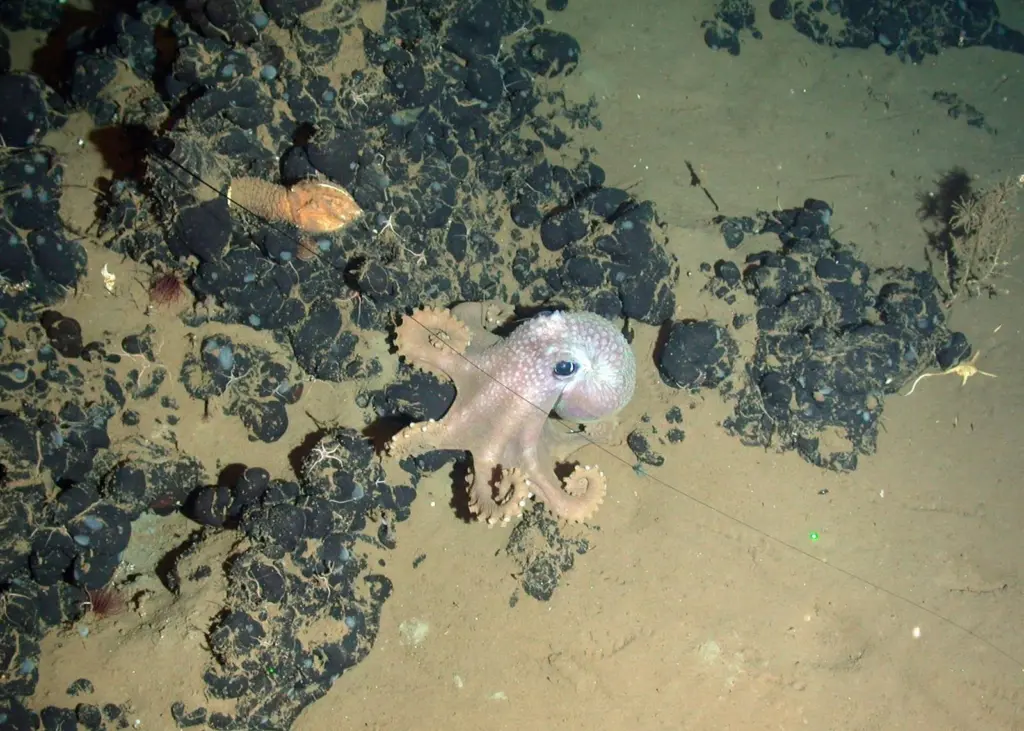
In a study published by the National Oceanography Centre (NOC), scientists reveal data captured at the site, which is being analysed to build a picture of the life and geology of the underwater area.
The naturally-occurring asphalt mounds are made up of the same substance that covers our roads and range in size, from football-sized to the size of a small hill several hundred metres across. It’s the first time these mounds have been found on this side of the Atlantic – until now, these features had only been seen in the Gulf of Mexico and off the coast of California.
BP technical experts and its subcontractor, Fugro, which discovered the mounds during an exploration for oil reserves, are also involved in the study of the ‘slow tar volcanoes’. The study’s findings will help with future predictions of seabed patterns, rock types and habitat in similar areas of ocean.
By Rachael Doyle
Related Articles
 OTHER NEWS
 ACCESSORIES & EQUIPMENT
 ACCESSORIES & EQUIPMENT