![MaritimeJournal[Seawork]](https://www.maritimejournal.com/wp-content/uploads/2026/09/MaritimeJournalSeawork.svg)



Svitzer bags two Middle East contracts
Copenhagen based Svitzer A/S have increased their presence in the Middle East with the signing of a twelve year contract in Oman and a five year extension to an existing towage provision arrangement in Egypt.
The Oman contract agreement follows what Svitzer describe as a “highly competitive bidding process” to provide marine related services for a twelve year period to Petroleum Development Oman (PDO) at the Mina Al Fahal port facility in Muscat, Oman. PDO is a joint venture between the Omani Government (60%), Shell (34%), Total (4%) and Partex (2%) and as such is the largest source of income for Oman with all the country’s oil exports passing through the Mina Al Fahal terminal facility.
Svitzer will provide five vessels for the operation, three of which are expected to be new builds. The basis of the contract was a tailored vessel solution at an attractive price, combined with in-depth knowledge of local content requirements. Torsten Holst Pedersen, managing director of Svitzer’s Africa, Middle East and Asia region said: “Svitzer is committed to Oman and has been employing and training Omani crew since 2000. With this contract, our aim is to ensure continued employment of the local Omani employees currently working in the existing operation as we will start with 90% local employees.”
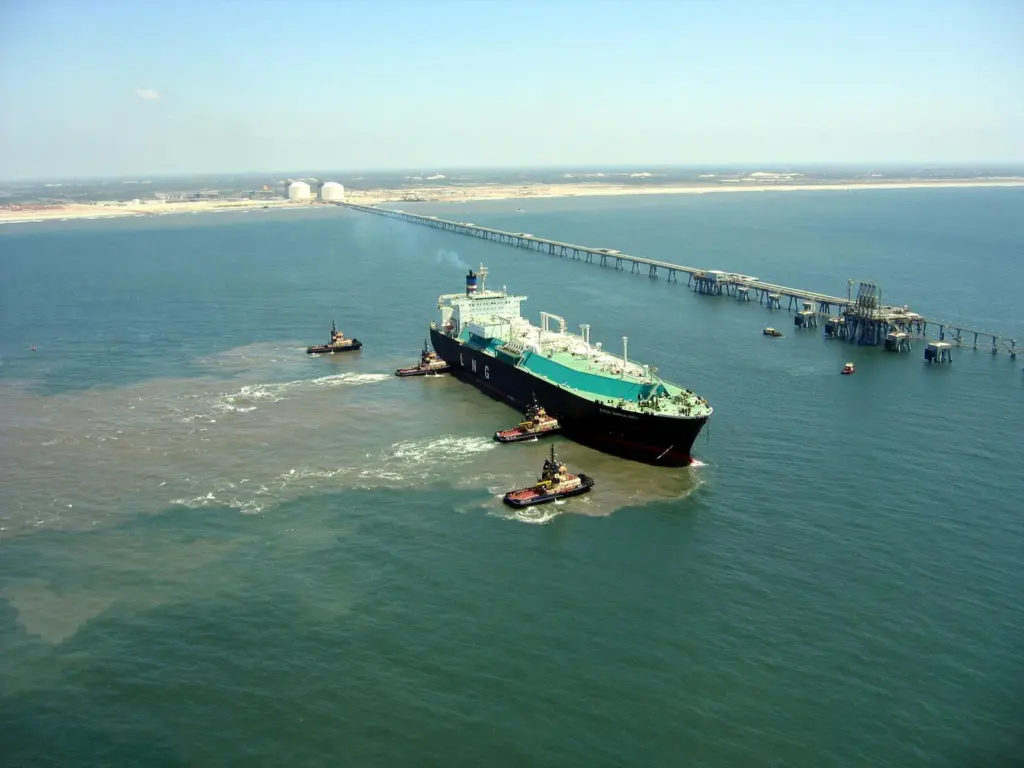
Around the same time, Svitzer announced that they had secured a five year extension to their existing contract for provision of marine related services at Egyptian LNG’s Idku terminal east of Alexandria on Egypt’s Mediterranean coast. Svitzer have been operating at Idku since 2005 and the extension will see continuation of services using four tugs and three pilot boats.
Svitzer describe their partnership with Egyptian LNG as being based on a shared vision to promote operational excellence and an unrelenting approach to safety culture, their proven ability to perform in these areas being important for renewal of the contract. Svitzer and Egyptian LNG had worked closely to identify the best operational solution for the latter’s current gas export requirements, providing Egyptian LNG with full operational flexibility at a competitive cost level.
By Peter Barker
Related Articles
 SPECIAL REPORTS
 TUGS & SALVAGE
 EQUIPMENT