
Dangerous history
The big dredging and windfarm projects off the German and Dutch coasts have to make sure they don’t go with a blast …from pieces of history that present an ongoing hazard to both human and animal life.
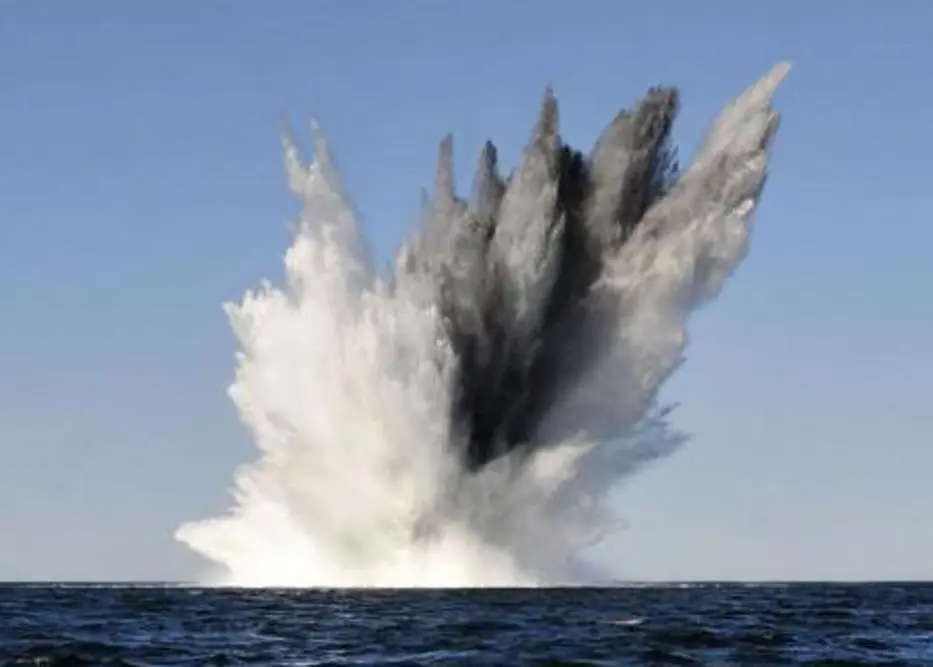
In fact Netherlands’ based Bodac reckons that less that 20% of all ‘lost’ ordnances from the two World Wars have been cleared.
Project manager Auke van der Velde told MJ that the normal practice is to set off with testing devices, fully kitted up ROV, specialist divers and a whole host of other gear. While all this is compact and containerised – so fine for smaller clearances – bigger projects like the dredging around Wangerooge, Germany (near the Nordergründe windfarm) still require the support of several large motherships: some are used for ROV deployment while others will need to support a team of 14 divers for a number of 24 hour working slots.
Initial sweeps from the vessel from side-scan sonars, echo sounders and a towed, ‘streamer’ unit are followed up by closer investigations by ROV or divers using handheld detectors and water jets for debris clearance.
But, explained Mr van der Velde “the UXOs – unexploded ordnances – could be from the second or even first World Wars… so given the wide time period, there can be quite a number of different varieties in just one area”. In fact the Wangerooge clearance found no less than 75 objects: these turned out to include dozens of German and British contact mines, an air-laid ground mine and even several crates of grenades.
After detection, the next step usually means using a small jet, either on the ROV or handheld by a diver, to blow a trench around the UXO. This doesn’t, explained Mr van der Velde, mean digging it out entirely as putting pressure directly against the sides could be hazardous; not only might this action trigger an aged detonator but destabilising the subsoil creates another danger as the UXO could shift or roll. So, the trench is a ‘donut’ shape that keeps the UXO in its original orientation while loosening the surrounding earth just enough for good identification. Exactly how to cut the trench can be cut takes a certain expertise, he added.
When a target must be relocated then the lifting system needs to be positioned: while one or two varieties have a ‘handy’ bolt on top, sometimes it’s down to wrapping a net around the UXO said Mr van der Velde: although potentially challenging, this part of the lift is carried out by divers as there’s simply not yet a ROV that can handle such a delicate operation. The line is then attached to flotation balloons which gently lift the UXO to the surface.
Further although usually subject to a controlled detonation at sea it’s sometimes decided (as in the Wangerooge project) this would pose an unacceptable risk to marine life and so the whole thing needs to be towed ashore to be dealt with.
It’s a time consuming and pretty intense process – but considering the risk these things still pose, it’s just as well that some companies have both the training and inclination to unearth and deal with the dangerous history we’ve buried on the seabed.
By Stevie Knight