

New developments for marine surveyor’s standards
An industry technical working group expects to officially launch the Workboat Code Edition 2 soon which hopes to be recognised and adopted internationally.
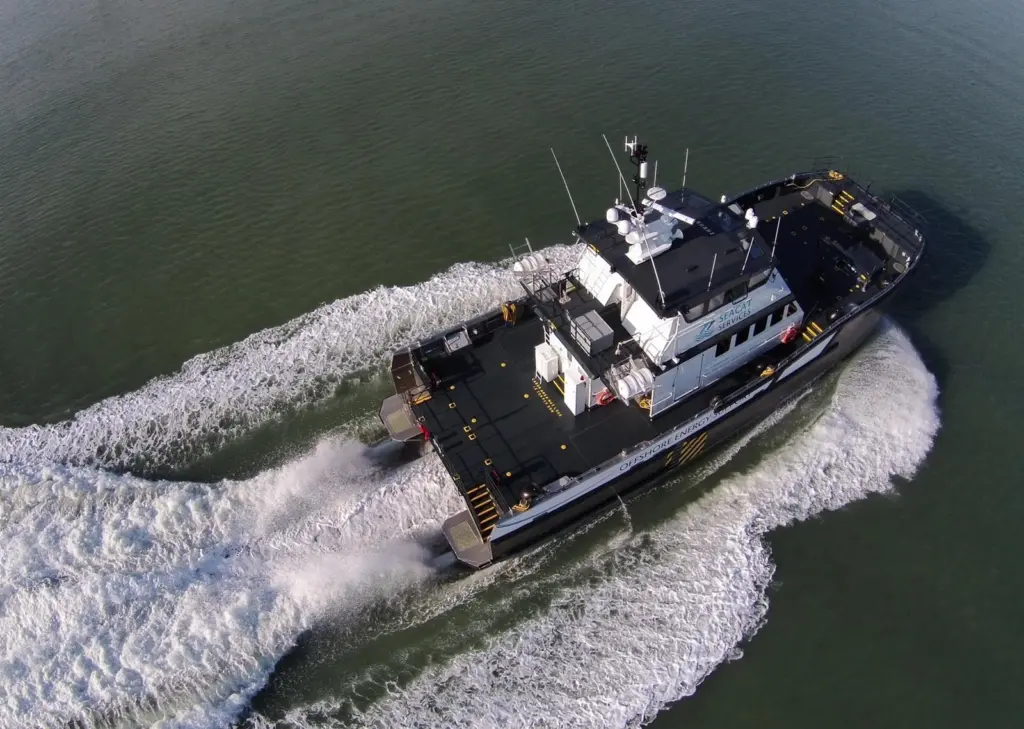
This follows the issue of an updated UK Workboat (Brown) code at Seawork 2014 and continued hard work over a long period in conjunction with the UK Maritime and Coastguard Agency (MCA).
An initial report from the Certifying Authority Professional Standards Working Group (CAPSWG) was presented to the MCA CA British Certification Committee (CABCC) in February 2016 and accepted for implementation.
There were three significant strands and recommendations from this first report – minimum entry standards for surveyors engaged in the certification of vessels will be based on a mix of educational achievements and qualifications, experience as a surveyor and time served.
Secondly, it recommends the use of a matrix document for individual surveyors which must objectively match the surveyor’s experience, competency and qualifications to vessel type, survey type, vessel complexity and any specialist knowledge required for certain surveys.
The report also picked up on the continuation and expansion of the PSWG to develop and co-ordinate common training, education and continuing professional development (CPD), whilst embracing all current communication and delivery methods to make this available to all surveyors, engineers and naval architects.
A major revelation of this recent work has been the realisation that the profession could benefit from a joint education and training programme.
It believes it should find a way to link academic and vocational qualifications, recognised by the relevant professional institutions, potentially all the way up the ladder to chartered status, with national occupation standards developed for the surveyors.
The next stage of the initiative will be to bring all stakeholders together to develop a realistic and achievable road map. As well as explore funding possibilities for the different entry points, for example technical apprenticeships for the vocational route.
By Alice Mason
Related Articles
 MARINE CONSTRUCTION
 POWER & PROPULSION
 ENVIRONMENT