

HHA dredges up win for coastal defence
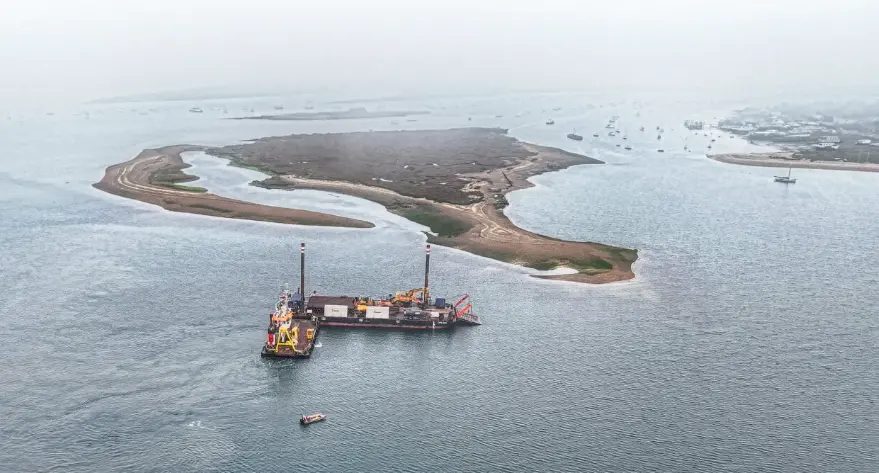
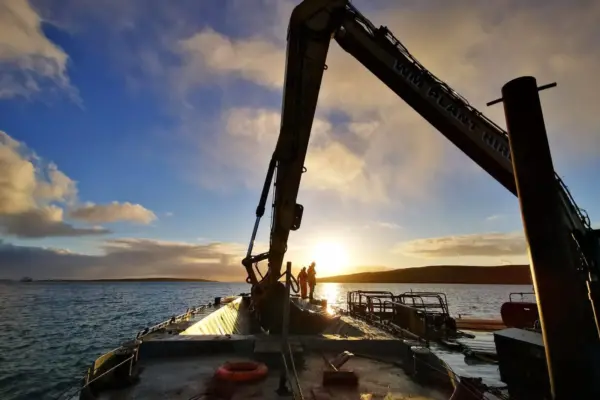
Harwich Haven Authority (HHA) is reusing material from routine maintenance dredging to rebuild eroding sections of the Blackwater Estuary foreshore.
The £2.5 million (€2.9 million) Beneficial Use of Dredged Sediment (BUDS) project, launched this month, combines coastal protection with habitat restoration and uses use clean sand and gravel removed from Harwich Haven’s approach channels and port berths to recharge the foreshore.
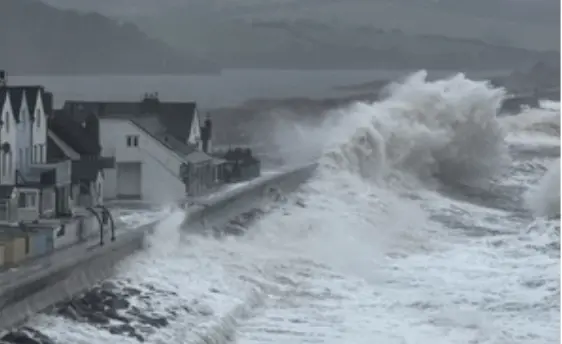
The material would otherwise be disposed of at sea, but instead will be used to create and replenish shingle beaches that help absorb wave energy, protect saltmarsh and mudflats and reduce pressure on existing coastal flood defences.
The wider scheme aims to place around 85,000m3 of sediment across the estuary, creating around 6.7 hectares of vegetated shingle habitat. It is intended to help protect coastal communities from erosion, rising sea levels and storm surges.
“The BUDS project allows us to take material generated through essential maintenance dredging and put it to beneficial use in and around the wider Haven,” said HHA harbour engineer Jim Warner.
“By placing sand and gravel at Cobmarsh Island and Old Hall Point, we’re helping to manage these natural materials in a way that supports the resilience of the estuary, while continuing to maintain the safe and navigable channels that are vital to the Haven and UK economy.”
Working with the tides
Beach recharge involves depositing sediment along an eroding shoreline to rebuild its protective profile. Once placed, the material is expected to respond to tidal movement and gradually reform into a more natural shape, helping to shield sheltered creeks and channels from larger waves.
It’s a win-win, keeping HHA’s channels deep enough to navigate, and shoring up the coastal defences.
The scheme is supported through the Environment Agency and Defra’s Natural Flood Management programme and the Transforming the Thames initiative led by the Zoological Society of London. HHA is working alongside the RSPB, Essex Wildlife Trust, ZSL and local conservationists.
As well as reducing erosion and flood risk, the restored shingle banks will provide nesting areas for little terns, ringed plovers and oystercatchers. The project builds on previous beach-recharge work in the estuary and forms part of a wider effort to improve coastal resilience through natural flood management.
This way of working is still quite rare: the project partners estimate that less than 1% of dredged sediment nationally is reused for beneficial purposes.