![MaritimeJournal[Seawork]](https://www.maritimejournal.com/wp-content/uploads/2026/09/MaritimeJournalSeawork.svg)






AYK Energy: Pioneering the electric revolution
 Part of our special report
Marine Batteries & Electrification · July 2026
All 8 features
Part of our special report
Marine Batteries & Electrification · July 2026
All 8 features
From 12MWh ferry systems to a future with containerised power, AYK Energy says it’s leading the world with its fast, safe, cost-effective marine batteries. Maritime Journal spoke to founder Chris Kruger about the company’s meteoric rise and its plans for an electric future.
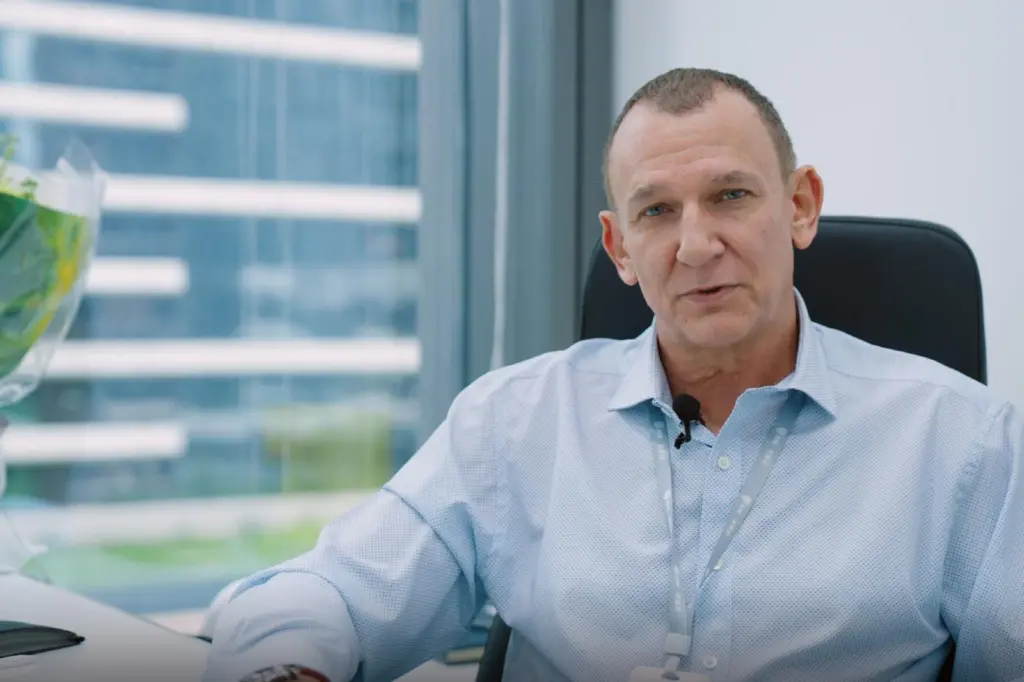
As a company formed less than 10 years ago (2018), AYK Energy is a relative newcomer marine battery field – but it has already made huge strides that must be the envy of much older players.
In July 2023, the company opened its first automated manufacturing facility with a 300MWh annual output, expandable to more than 1GWh. Its solutions now power some of the largest vessels in Europe, including Brittany Ferries’ hybrid electric ships Guillaume de Normandie and Saint-Malo.
It’s also struck a deal to supply a 6MWh battery for the world’s first battery-methanol tug, for Svitzer.
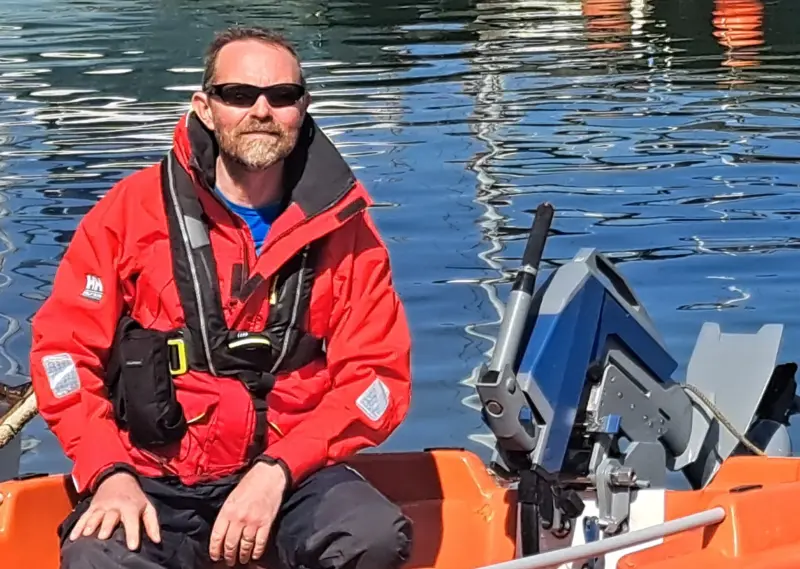
Former director of Engineering with battery specialist Corvus Energy, Chris Kruger certainly knows his science – and with a clear vision to deliver cost-effective, safe marine batteries, he has steered AYK Energy into a position where they have now achieved positive EBITDA (Earnings Before Interest, Taxes, Depreciation and Amortization).
Placing its factory in China, AYK has stayed close to the supply chain, although Kruger says he intends to open another one in Europe in the non-too-distant future.
Keys to success
“When I started this company I looked at everything I’d learned – what’s worked in the past and what hasn’t worked,” he says. “I started with a clean sheet of paper. What are the key points I need to hit to make this battery work? It took a bit of time and luck to get the money, and the partners I had in China had a value proposition and came on board. A good partnership and mutual respect are the key ingredients.”
Kruger emphasises that AYK is not a Chinese company – the marketing and engineering is all done outside – but by manufacturing in China, the company has achieved cost effectiveness and with his engineering knowhow, safety. It’s also about trust, he says.
“In my opinion, success really has to do with the fact that somebody like me knows the industry and the technology side, can speak to the customer and has their trust. That’s at the heart of the company – to be accepted and make a change. I’ve always been hands on, at the frontline.”
The batteries
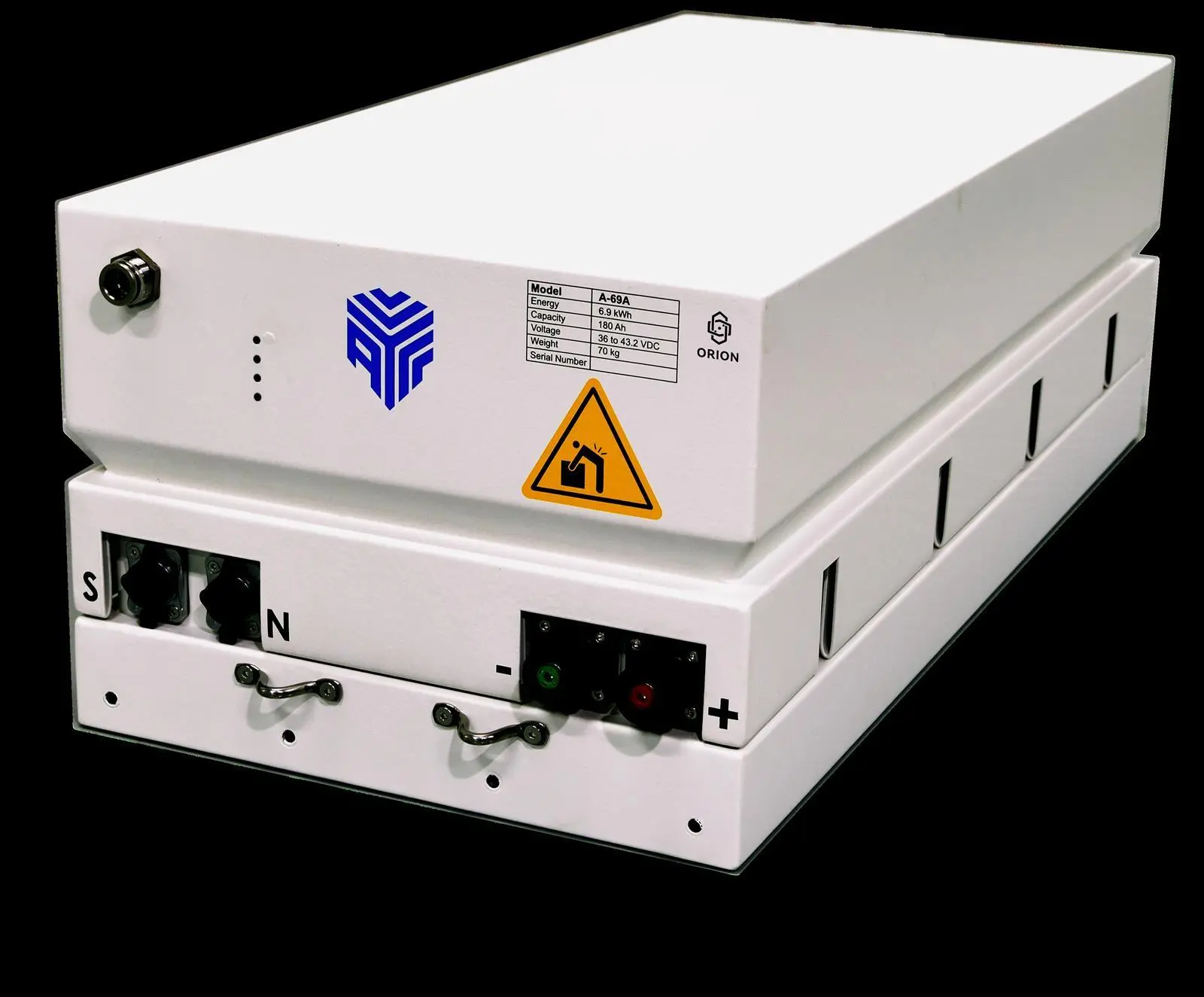
AYK Energy’s batteries, Kruger admits, are not the cheapest on the market, but they are the safest and most cost effective.
The company uses lithium iron phosphate, which is less likely to produce thermal runaway, a chain reaction that can heat the cells, risking fire.
The company makes a wide range of battery sizes, weights and density according to the vessel they are destined for, whether RoPax ferries, inland cargo ships or tugs.
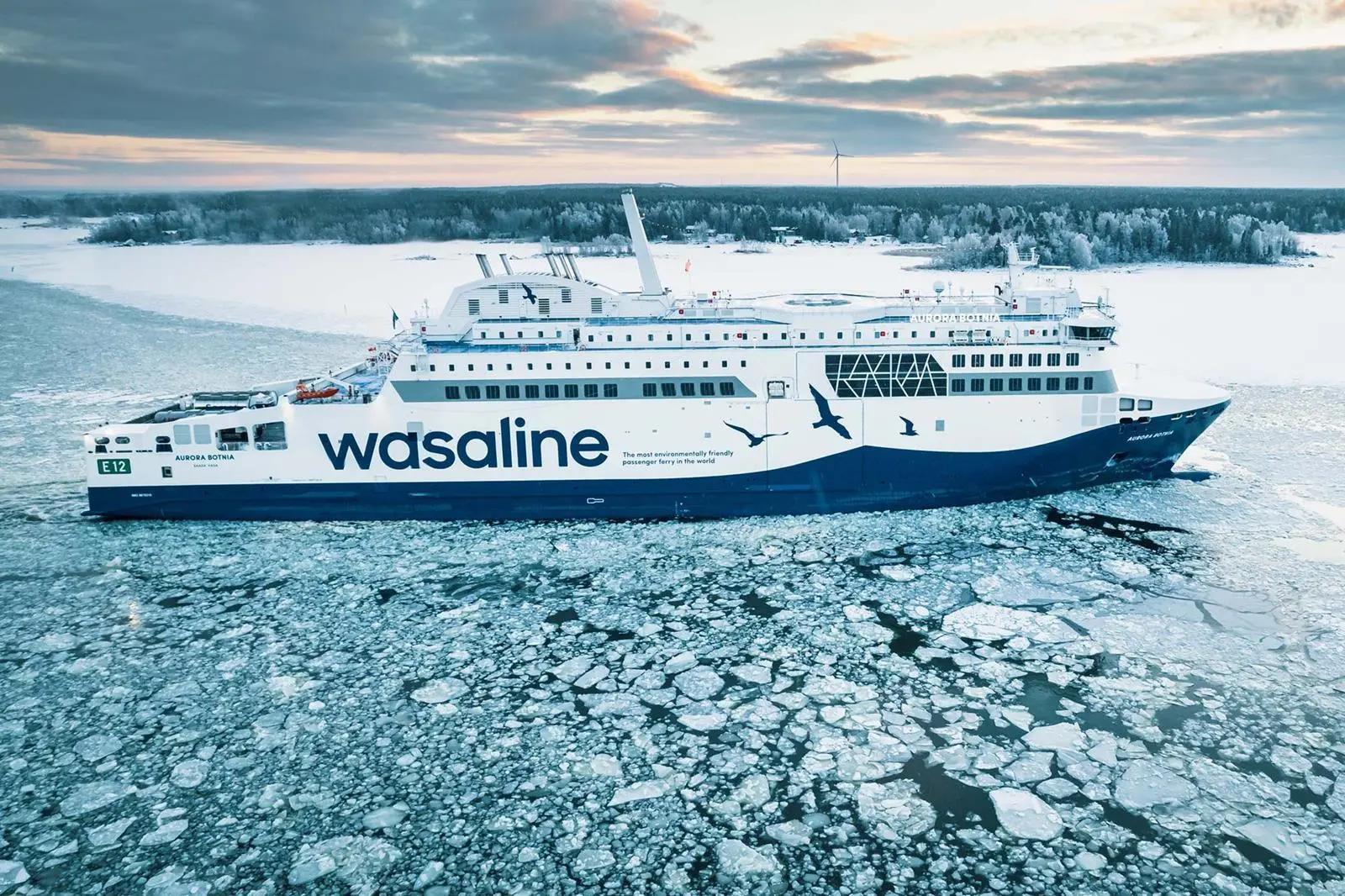
In July, it won DNV type approval for its Pisces, Pisces+, OrionAN and OrionAN+ series, which will immediately allow the company to install a10.4MWh system on the biggest retrofit ever done – the hybrid-electric RoPax ferry Aurora Botnia, owned by Wasaline, which operates a daily service between Finland and Sweden.
“We have listened to industry and developed this range to deliver both higher energy density which is ideal for ferries, workboats and tugs,” says Kruger. “And at the same time we’re innovating systems that strike a balance between power and energy density which works better for hybrid applications.”
In response to scepticism over how sustainable batteries actually are, he says the company has done carbon studies – “and overall, we come out on the positive side, especially when you operate the battery for a long time.”
“Most of the carbon generation comes from the making of the cells, so if you can use green energy to do that, it becomes a lot cleaner.”
When it comes to recycling, Kruger accepts it isn’t yet being done on a meaningful scale, but because batteries in marine are relatively new, most have not yet reached end of life, and there are big ideas in stationary storage for batteries that are no longer fit for marine use.
Containerised future
Chris Kruger is also eyeing up the opportunities for batteries that could be used much in the same way that tired horses were swapped for fresh ones by coach drivers before the automotive was invented.
“We are planning to put batteries in containers – fill half a TEW with 2.8MWh of batteries, or 5.6MWh in a full container,” he says. “A port crane could easily handle half a container of batteries, which would weigh about 21 tonnes. They could be charged out at a wind farm, brought back and swapped out with another container – like horse swapping.
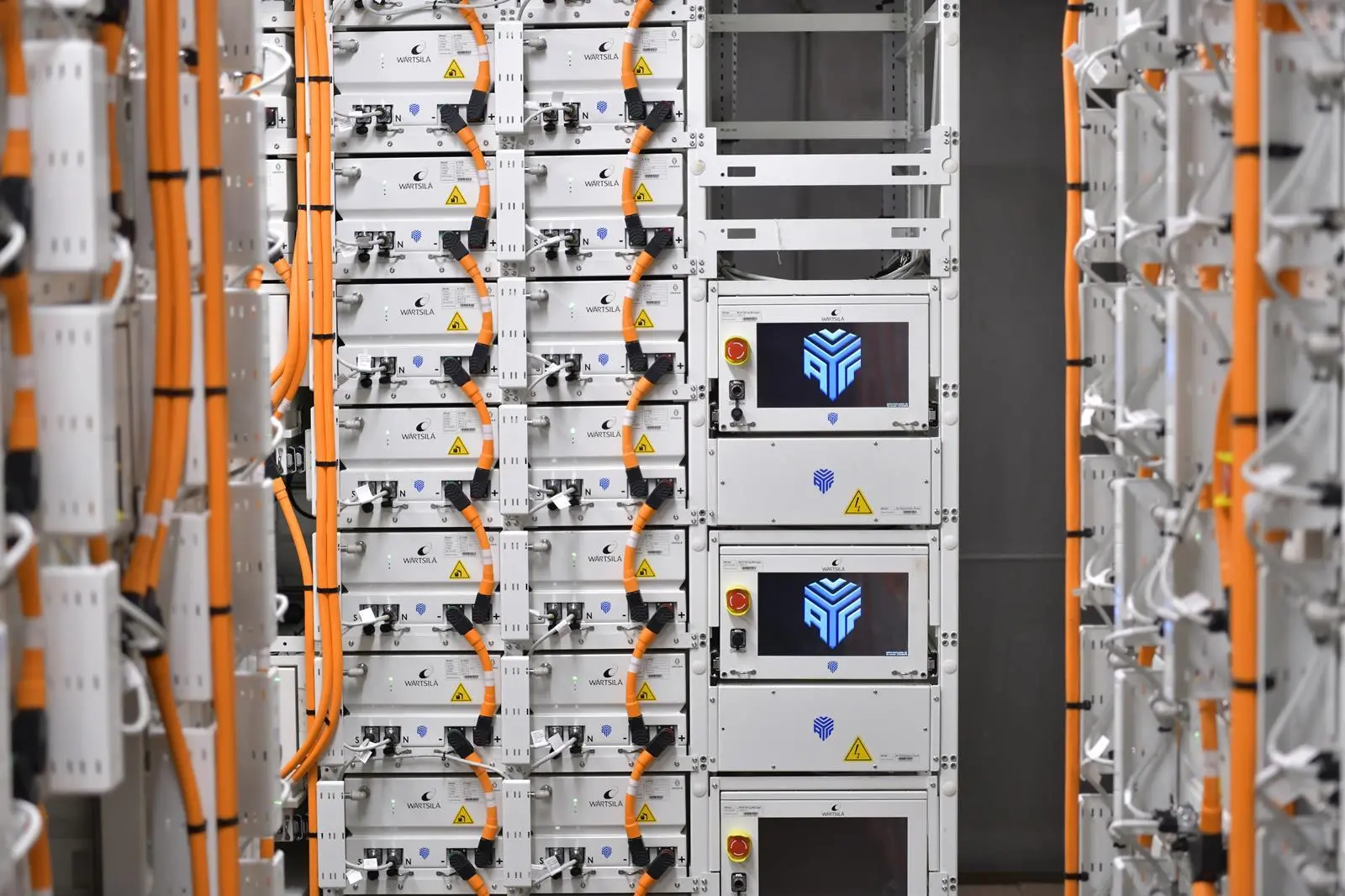
“We’ve talked to people about using containers on tugs, and I think this is going to enhance the use of batteries. Today you can’t charge a battery in a harbour unless you have a power plant nearby for cold ironing, and it’s expensive.
“This is one of those cogs that isn’t in place today. It’s going to take a huge amount of money to get it to scale, but we already have guys who want to do the cold ironing and bring the battery to the shore.
“We need high-volume manufacturing: if we get the volume, we will be able to bring the cost right down and it will be way more cost effective.”
Kruger is looking for other financing options to set up a factory and move out of China, he says, somewhere in Europe, where his market is.
In some ways Kruger’s career has come full circle.
“The first battery I ever designed was for a Svitzer tug in Australia, the Gorgon project” he says. “Years later, we’re supplying Svitzer again. It shows how far the industry has come.”