




Cleaner burn for Arctic waters
Finland headquartered power provider Wärtsilä has been contracted by that country’s Arctia Offshore Oy to carry out modification work to two of the companys vessels.
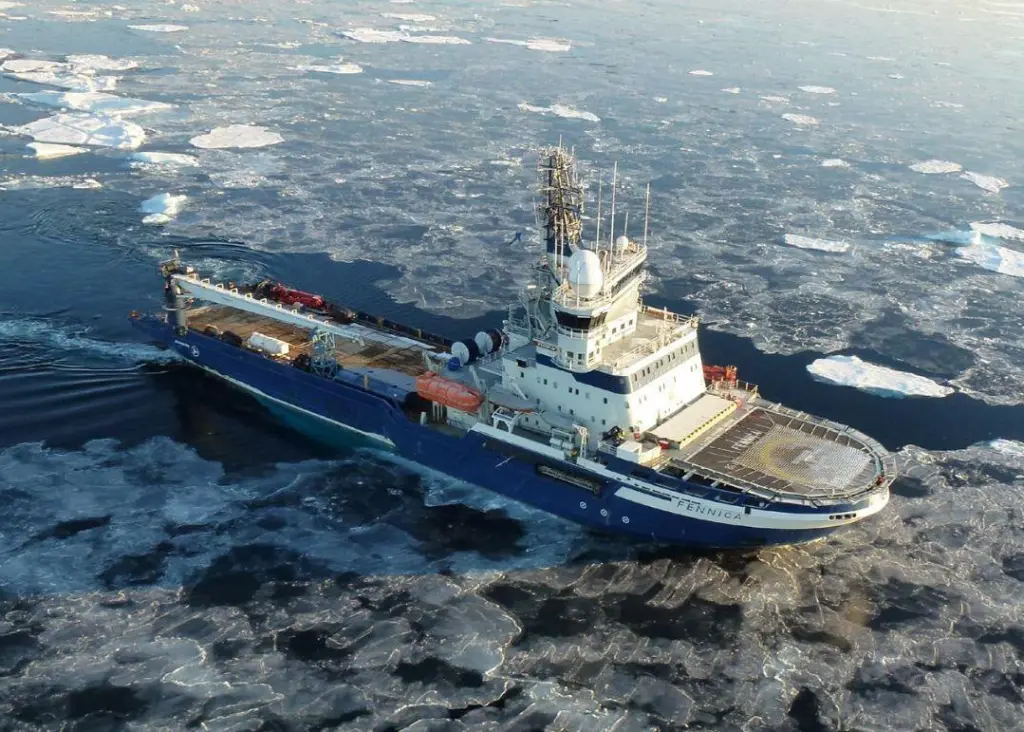
The turnkey project involves the fitting of combined Wärtsilä NOx Reducer (NOR) and Oxidation Catalysts (OXI) to the MSV Fennica and MSV Nordica, both of which are multi-functional vessels based on a modified icebreaker design. The ships will also be converted to enable the use of ultra-low sulphur diesel fuel.
When this conversion work is completed, the vessels will fulfil the United States Environmental Protection Agency’s (EPA) emission requirements for operating in the Arctic Ocean. This opens up the possibility for Arctia Offshore to participate in arctic oil exploration projects in an environmentally sustainable manner.
The work will involve fitting the combined Wärtsilä NOR/OXI solution to each of the eight engines that drive the two vessels. The installation schedule is divided into two parts, with the first set scheduled for completion by the end of last year and the second set by the end of April this year. The emission control device consists of a combined abatement system designed to reduce nitrogen oxides (NOx) and to enable the oxidation of carbon monoxide and unburned hydrocarbons. The NOR is a customized solution specifically engineered to meet the EPA’s emission standards.
“The conversion work that we will carry out on these two offshore service vessels will not only reduce their environmental impact, but will notably enhance their operational capabilities by allowing them to work in the sensitive environment of the Arctic Ocean,” said Leonardo Sonzio, director of environmental services for Wärtsilä.
The Wärtsilä NOx Reducer is based on Selective Catalytic Reduction (SCR) technologies, and achieves a reduction in NOx emissions of 85% to 95%, and the Oxidation Catalyst oxidizes unburned components with the help of the residual oxygen in the flue gas, forming carbon dioxide and water as end products.
Related Articles
 ACCESSORIES & EQUIPMENT
 ENVIRONMENT
 MARINE CONSTRUCTION