![MaritimeJournal[Seawork]](https://www.maritimejournal.com/wp-content/uploads/2026/09/MaritimeJournalSeawork.svg)

Cold ironing not just for the big boys
Amsterdam Seaports have recently announced plans to upgrade and expand their network of cold ironing shore power supply facilities for small vessels including inland waterway barges and river cruisers.
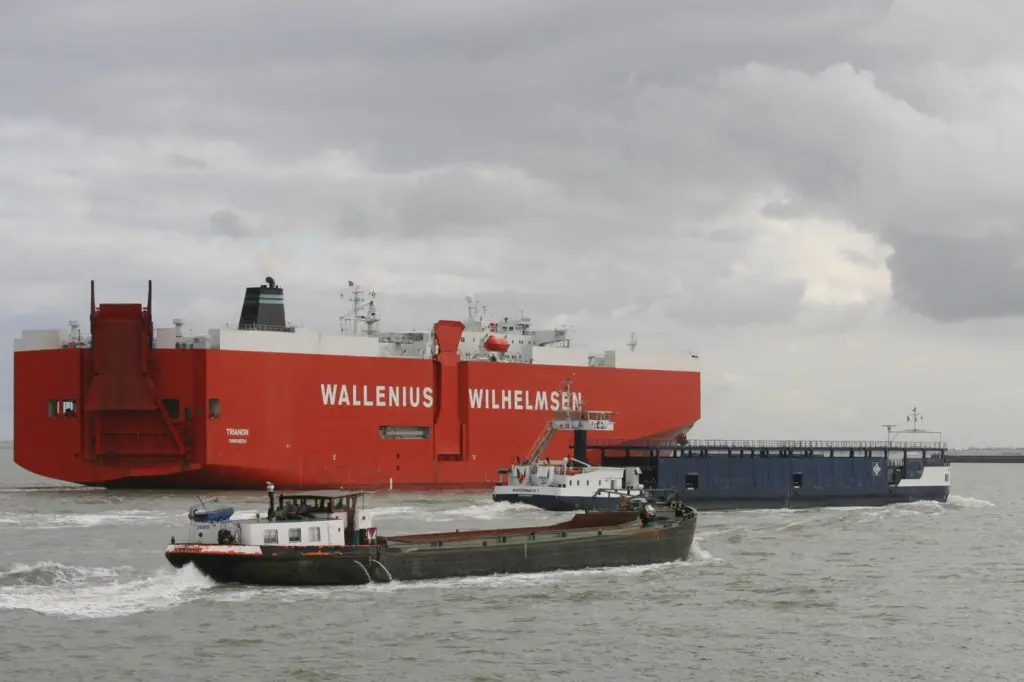
Cold ironing is the provision for vessels in port to draw their electric power from the land grid rather than from their own onboard generators. An increasing number of ports worldwide are taking steps to install the infrastructure required and vessels receiving power in this way usually also require modifications.
Cold ironing is generally targeted at larger vessels while moored alongside, where airborne emissions are an unwelcome by-product of the electricity generated onboard, often within the confines of congested ports close to residential areas.
Cruise ships with their large power requirements are a particular type of vessel that can add to this form of pollution, especially as there are understandable benefits for these vessels to moor close to built up areas for the convenience of the visiting passengers. The rationale behind the idea is that electricity generated on shore will usually originate from a more environmentally friendly location. The west coast of North America is a particular region that is actively promoting the concept of cold ironing.
It may therefore seem odd to consider such arrangements for the inland waterways vessels of northern Europe given their modest power requirements in comparison. However, the sheer scale of the operation and the vast number of vessels involved means that collectively a significant source of emissions can result. When moored alongside, the opportunity for controlling emissions is the same as for huge passenger ships in the environmentally sensitive ports of California, particularly as the inland vessels’ berths are also often close to dense residential areas.
The Port of Amsterdam has actually provided such shoreside power facilities for some while but over the years it has become somewhat outdated and the port authority are now undertaking a comprehensive upgrade as part of their five year environmental policy plan. Amsterdam, together with the nearby industrial city of Zaanstad, have been following the progress of a major five year pilot project in Rotterdam and have quickly identified the importance of a national approach to make the scheme both desirable and practicable for barge captains previously faced with different electrical capacities and sockets at various ports. The same capacity and payments system as in Rotterdam will therefore be adopted.
By the end of 2009 it is planned to have 129 cold ironing equipped moorings available for inland vessels and a further 24 for river cruisers. The new arrangements will also see a significant increase in power capacity from 16 amperes and 220 volts to 63 amperes and 400 volts. The larger power requirements of river cruisers will see their circuit boxes increase from 125 to 400 amperes and 400 volts. Zaanstad is also planning to increase its shore side power provision to eight boxes and 25 connections.
The method of collecting payment for the power used is also to be improved. Once moored up, the barge captain simply phones a central number with the vessel’s unique code and power flows once it is plugged in. When power is disconnected an invoice is automatically produced based on the kilowatt hour usage. In the longer term it is hoped that by 2011all inland vessels and river cruisers using Amsterdam will be able to plug into the shore power when alongside. The feasibility of expanding cold ironing to seagoing vessels is also being considered.
Cold ironing is just one aspect of the port’s five year plan aimed at matching the objectives of Amsterdam’s municipal environmental policy plan entitled ‘Sustainable Amsterdam’. Rather than competing with each other, all Dutch ports have agreed to adopt a uniform environmental approach including the sharing of knowledge. The key objectives of achieving the goal of a ‘clean shipping’ image are wide ranging and long term and include a 40% reduction in CO2 emissions by 2025. Growth of the port is planned to focus on areas that take freight off the road and make better use of connections to the hinterland by water and rail.
By Peter Barker
Related Articles
 ACCESSORIES & EQUIPMENT
 ENVIRONMENT
 MARINE CONSTRUCTION