

Duckweed: a growing problem
The explosive growth of duckweed in British canals is causing serious damage to marine life and a sustainable solution to keeping it under control must be found, says a prominent UK waterway maintenance company.
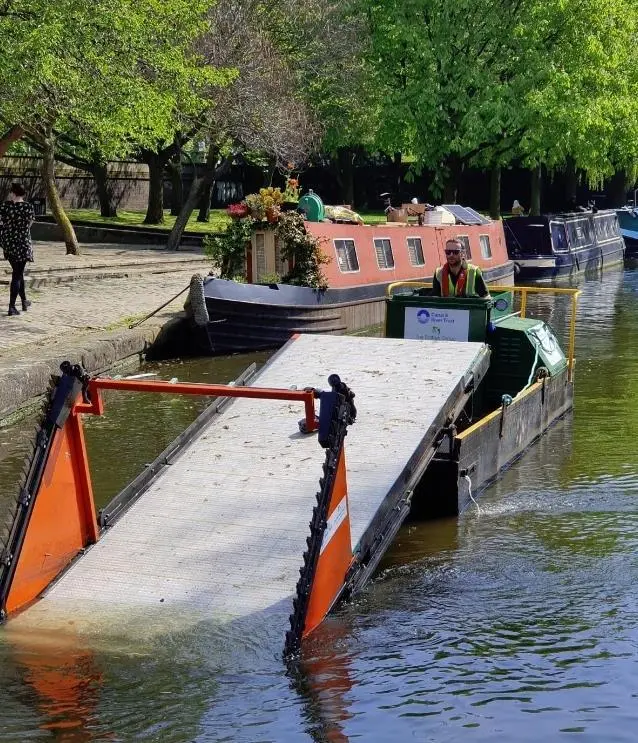
Duckweeds are flowering aquatic plants that multiply rapidly and can completely cover areas of still or slow-moving water. When left unchecked, these weeds can threaten marine life by preventing sunlight from hitting the water and reducing oxygen levels, as recently witnessed in London’s Grand Union Canal.
BIODIVERSITY COST
According to The Rothen Group, this has damaging consequences for the biodiversity of our waterways, and significantly impacts on their long-term health. To prevent the uncontrolled growth of this invasive species, those tasked with clearing weeds should turn to specialist marine equipment to combat the issue.
Charlotte Lea, Ecologist for The Rothen Group, explains: “It is important to understand why weed clearance is such an big issue, in order to make the case for a sustainable solution. Biodiversity is crucial across all habitats, and canals are no different. Duckweed dominates the surface of the water, which prevents sunlight from reaching other marine life and effectively chokes the waterway.
“Weeds can also build up around certain places, such as under bridges, causing blockages as rubbish and waste becomes stuck. With waterways increasingly becoming a focal point for development in towns and cities, the nasty smell and unpleasant aesthetics of this problem is a big concern.”
INVASIVE CHOKING
Plants such as duckweed, common reed, floating pennywort, and water ferns are all classed as weeds, and flourish during the warmer months of the year. Rising temperatures, increased sunlight, and higher nitrogen levels are all factors which cause waterways to become choked with these invasive plant species.
To further complicate the task of clearing waterways, weeds grow in a number of different ways. Some are situated along bank edges, some grow from beneath the surface, and some form blankets. The mix of species and how they manifest makes the challenge of clearing them even greater, necessitating a nuanced approach to their removal.
“The type of clearance work which should be undertaken varies depending on a wide range of circumstances, which is why it is so important to engage experts for the task. Organisations such as The Rothen Group, for example, work closely with the Canal & River Trust, using specialist marine solutions to successfully combat weed growth in diverse areas all over the country.
“Indeed, there is a breadth of equipment and a wealth of knowledge out there, which can help us manage our waterways in a sustainable manner, keeping our canals and rivers healthy.”
The Rothen Group is a national independent civil engineering and maintenance business, servicing UK waterways. It possesses a wide range of equipment, with a staff of experts dedicated to helping maintain the health of UK waterways.
By Jake Frith
Related Articles
 ACCESSORIES & EQUIPMENT
 ENVIRONMENT
 MARINE CONSTRUCTION