



Creating a carbon neutral tug and towage sector
Svitzer is comparing the qualities and performance of the biodiesels FAME with HVO on its fleet of Caterpillar powered tugs.
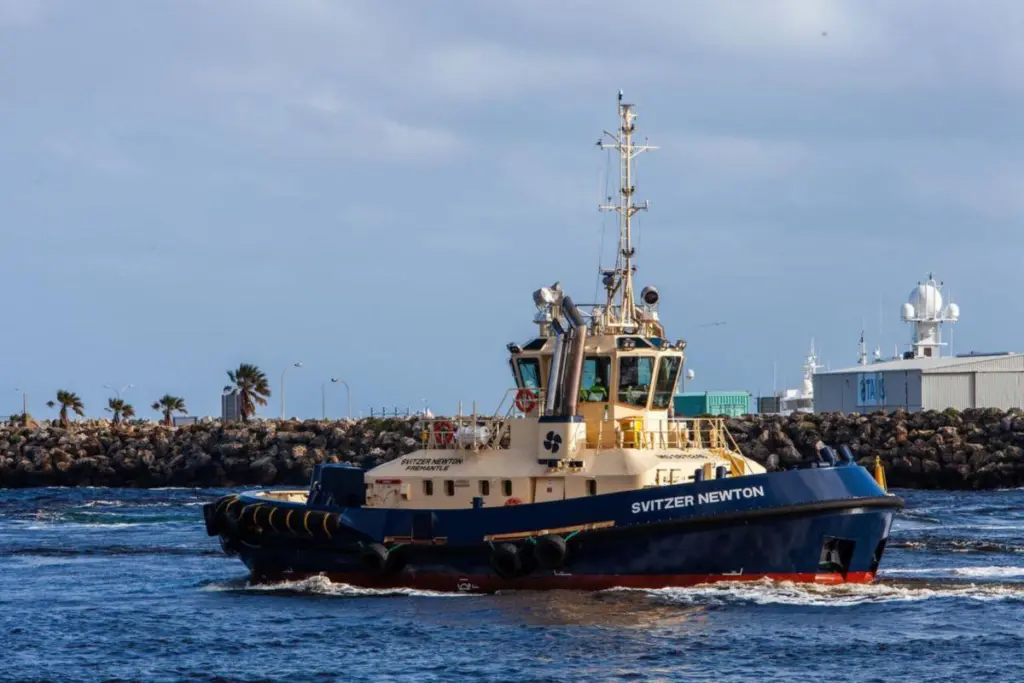
The global tug operator has embarked on a second pilot using the EcoTow solution, this time in the Netherlands, where two vessels powered by two Cat 3516C main engines and two C4.4 auxiliary engines will operate on 100% FAME.
“Sustainability and decarbonisation are at the forefront of our business operations and, increasingly, our customers’ expectations,” said Gareth Prowse, head of decarbonisation at Svitzer.
“We take our responsibility seriously and are committed to creating a carbon-neutral tug and towage sector.”
Future fuels
To gauge the feasibility of operating a fully biofuel-powered fleet, Svitzer and Caterpillar initially joined forces to conduct two EcoTow pilots.
The first kicked off in London in late 2021 with five vessels, each with two Cat 3516C main engines plus two C4.4 auxiliary engines. All ten engines operate on 100% hydrogenated vegetable oil, or HVO.
Operating Cat engines on biofuels isn’t a new concept. Caterpillar has been researching their use for more than a decade and published marine usage guidelines for the biodiesels hydrogenated vegetable oil (HVO) and fatty acid methyl ester (FAME) in 2021.
But the EcoTow pilots have given both Caterpillar and Svitzer an opportunity to study the effects of biofuel use firsthand — not just on the engines themselves but also on Svitzer’s total cost of ownership.
Caterpillar has also provided special maintenance recommendations and guidelines on what to look for to identify and address any abnormal component wear.
Svitzer has since expanded the use of HVO in its tugs throughout the UK.
“Collaborations like this one with Caterpillar are helping us find practical solutions we can deploy at scale,” said Mr Prowse.
Related Articles
 OTHER NEWS
 OTHER NEWS
 ELECTRICAL SYSTEMS