




Scotland approves 67-turbine 1GW floating wind farm
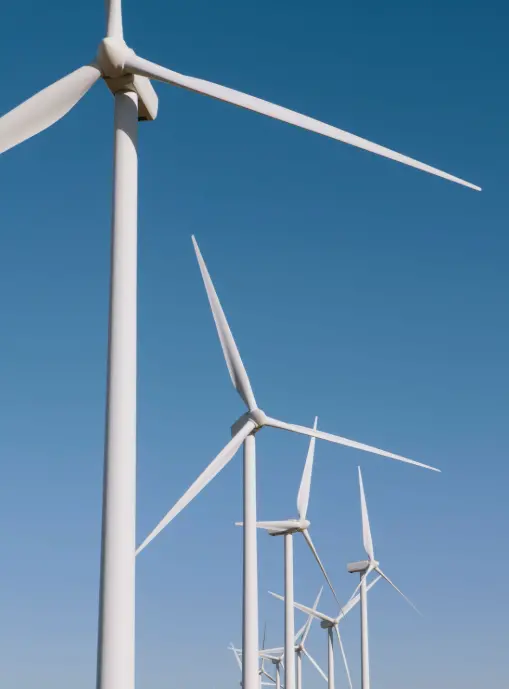
The Scottish government has granted consent for the 1GW Muir Mhòr floating offshore wind farm, which will use up to 67 floating turbines moored to the seabed.
Developed by Fred. Olsen Seawind, the project will use floating foundations rather than conventional fixed-bottom structures some 60km off the Aberdeenshire coast.
“This is an important milestone for Scotland’s offshore wind ambitions, with Muir Mhor offering significant potential to strengthen energy security, drive down floating offshore wind costs and unlock investment and jobs,” said Public Service Reform secretary Ivan McKee.
The proposed turbines will have three-bladed horizontal-axis rotors, with a maximum blade diameter of 300m and blade-tip height of up to 340m above mean sea level.
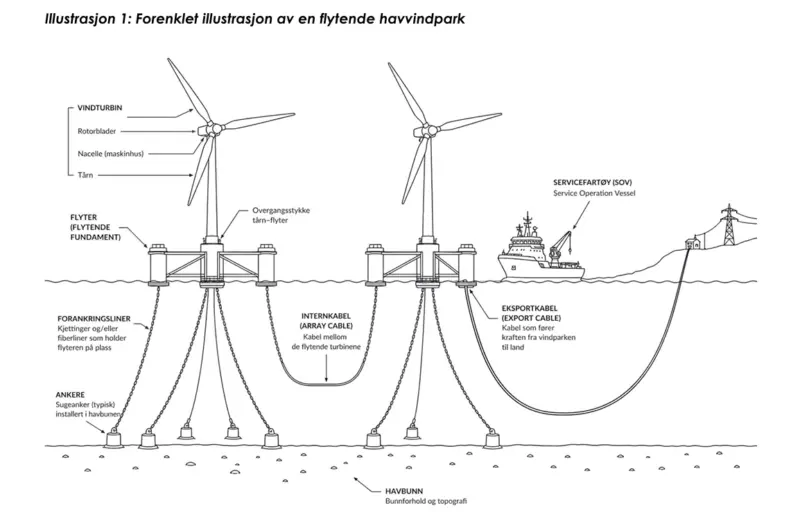
Each floating foundation will be held in position by multiple mooring lines connected to seabed anchors. The system will maintain the turbine’s position while accommodating movement of the floating structure.
The electrical infrastructure will include up to 250km of inter-array cables connecting the turbines to as many as two offshore electrical platforms. These will increase the voltage before electricity is transmitted to shore.
A key engineering consideration is the use of dynamic inter-array cables. Unlike conventional fixed-bottom wind farm cabling, sections suspended in the water column must remain flexible to allow movement of the floating foundations.
Up to three export cables, each potentially 90km long, will carry electricity towards the Aberdeenshire coast. At landfall, the cables will cross the intertidal area using horizontal directional drilling, avoiding conventional trenching through this section.
The floating arrangement could also offer maintenance advantages with the possibility of disconnecting individual turbines and foundations from their moorings and cables before towing them ashore for component replacement or corrective maintenance.
Construction planning envisages installing anchors and mooring systems ahead of the arrival of the turbines and floating foundations. These could be assembled at a suitable port before being floated off, towed offshore and connected to their moorings.
“This decision follows a thorough assessment, with clear environmental safeguards to support responsible development, whilst securing long-term economic benefits for Scotland,” said McKee.
Muir Mhòr is targeting electricity generation in the early 2030s.
Related Articles
 ENVIRONMENT
 FINANCE, LEGAL & INSURANCE
 OTHER NEWS