





Installation deal signals untapped Baltic Sea potential
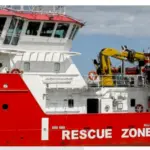
The Norwegian offshore wind transporter and installer Fred. Olsen Windcarrier will transport and install 63 wind turbines for the Gennaker wind farm in the German Baltic Sea.
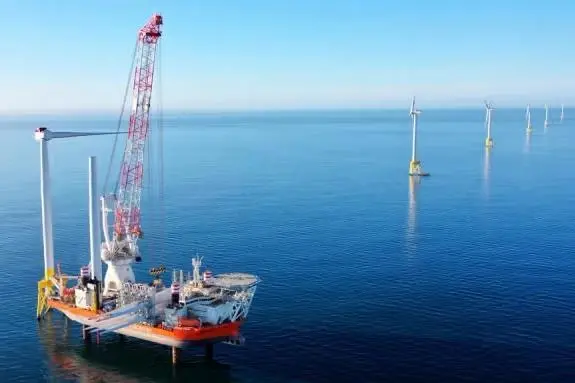
With a planned generation capacity of almost 1GW, the wind farm is set to be the largest one in the German Baltic Sea to date, says Skyborn Renewables, which is a portfolio company of Global Infrastructure Partners and part of Blackrock.
However the installation is not scheduled to begin until 2028, when Fred Olsen’s installation vessel Brave Tern will carry out the works, Skyborn said.
”With Fred. Olsen Windcarrier’s long lasting experience in offshore wind, Gennaker will benefit from state-of-the-art offshore installation capacity,” said Patrick Lammers, Skyborn CEO. “Gennaker, our blue-print project, is the showcase of our end-to-end delivery capabilities, with standardized process to bring new offshore wind projects to life every 12 to 18 months.”
Fred. Olsen Windcarrier was set up within the historic shipping company in 2008, specifically to cater to the needs of the offshore wind market. Fred. Olsen & Co was set up in 1848 and has adapted over the years from delivering its first steamship in 1897, joining offshore energy ventures in the 1990s and creating Fred. Olsen Renewables in 1996.
Baltic Sea opportunities
According to the Netherlands Enterprise Agency, the Baltic Sea’s offshore wind potential is largely untapped.
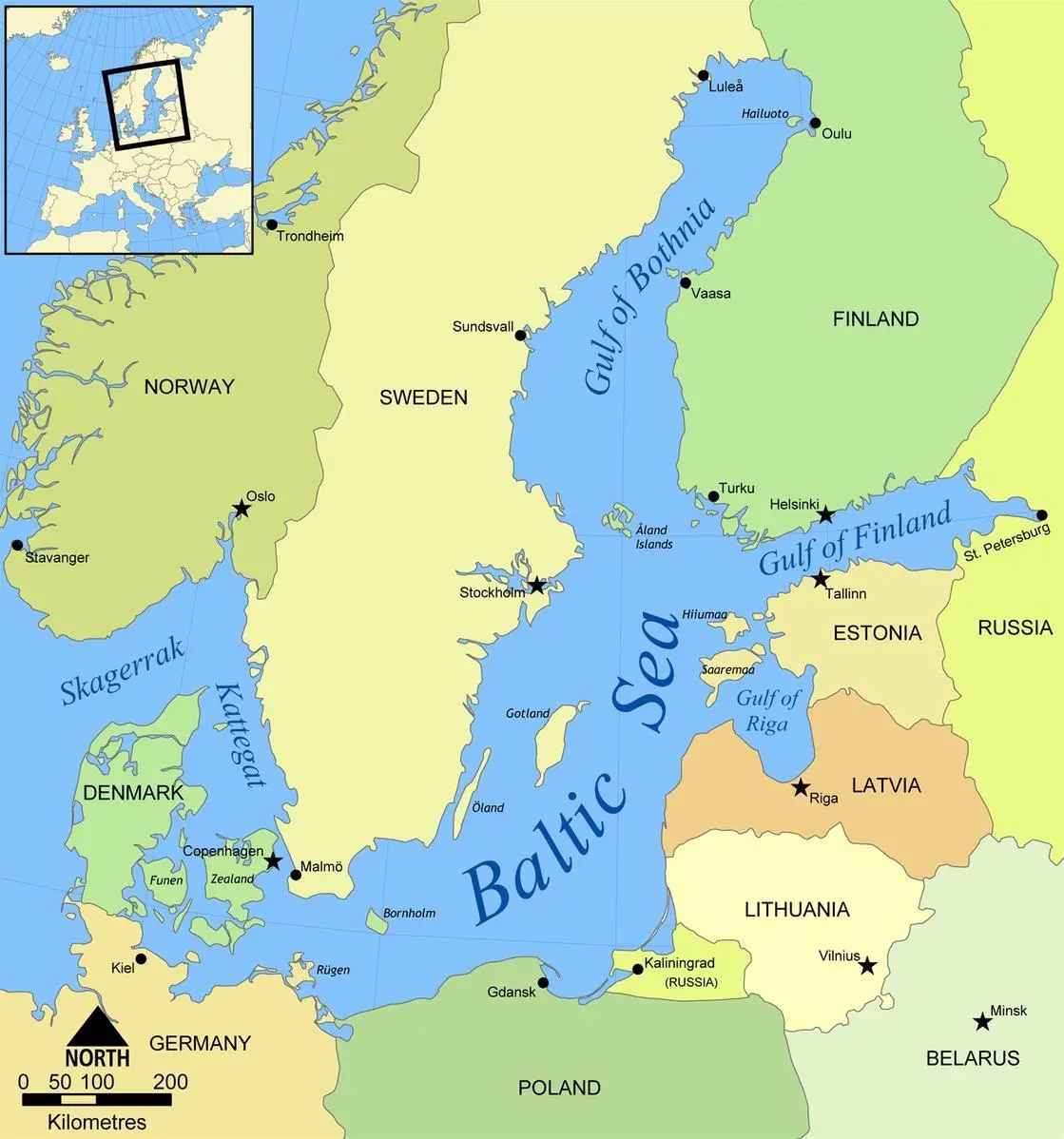
Bordered by eight EU member states (Denmark, Germany, Estonia, Latvia, Sweden, Lithuania, Poland and Finland), the water has just over 2.8GW of installed capacity now, so the Gennaker wind farm would amount to a quarter of that on top.
“The eight countries in 2022 committed to increase the capacity to 19.6GW by 2030 and they plan to consider a 2040 target at a later stage,” says the Offshore wind in the Baltic States report by the agency, which works under the Ministry of Foreign Affairs.
“According to the European Commission, the Baltic Sea has a high potential for offshore wind energy due to shallow sea depths (< 50 metres) and high wind speeds with an average around 10 m/s at a height of 150m. The Baltic Region will be a key part of Europe’s offshore wind industry and cross border cooperation will play a large role, especially between the Baltic States.
“Cross border cooperation with other European countries is in its initial phase. The joint Latvian and Estonian project ELWIND, which might result in 1GW of capacity, is an example of such cooperation. The need for more offshore wind is present but how to reach this potential is subject to policy changes and supply chain challenges.”
Related Articles
 ELECTRICAL SYSTEMS
 ENVIRONMENT
 ENVIRONMENT