![MaritimeJournal[Seawork]](https://www.maritimejournal.com/wp-content/uploads/2026/09/MaritimeJournalSeawork.svg)






Interview: Call for action in Spain’s offshore wind sector
It’s time for Spain to get afloat, says Juan de Dios Lopez, Technical and Industrial director with the Wind Energy Business Association (Asociación Empresarial Eólica – AEE).
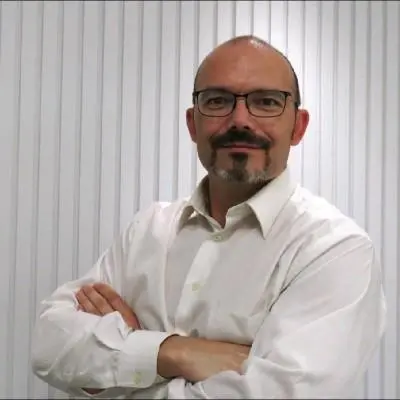
Speaking on the sidelines of the World Maritime Week (WMW) event in Bilbao recently about the current landscape, he made a bold call for Spain to embrace the full potential of wind energy.
“We can’t stay idle any more,” he said. “We have the potential resources, knowledge, and technology. What we do need is support from the government – not just with money but with legal security and regulations.”
Harnessing offshore wind potential
Despite having a robust industrial base and significant technological expertise, Spain has yet to install a single megawatt of offshore wind capacity – and this is because its deep waters make fixed-bottom wind turbines a technical and financial impossibility. But floating wind and tidal technologies, as the conference heard time and again, had huge potential.
“We don’t have a single MW of offshore wind, but we have significant shipyards,” he said. “Just 50 metres from the coastline, you get 50 metres of depth – we’ve got the building blocks. Now is the time to set things in motion.”
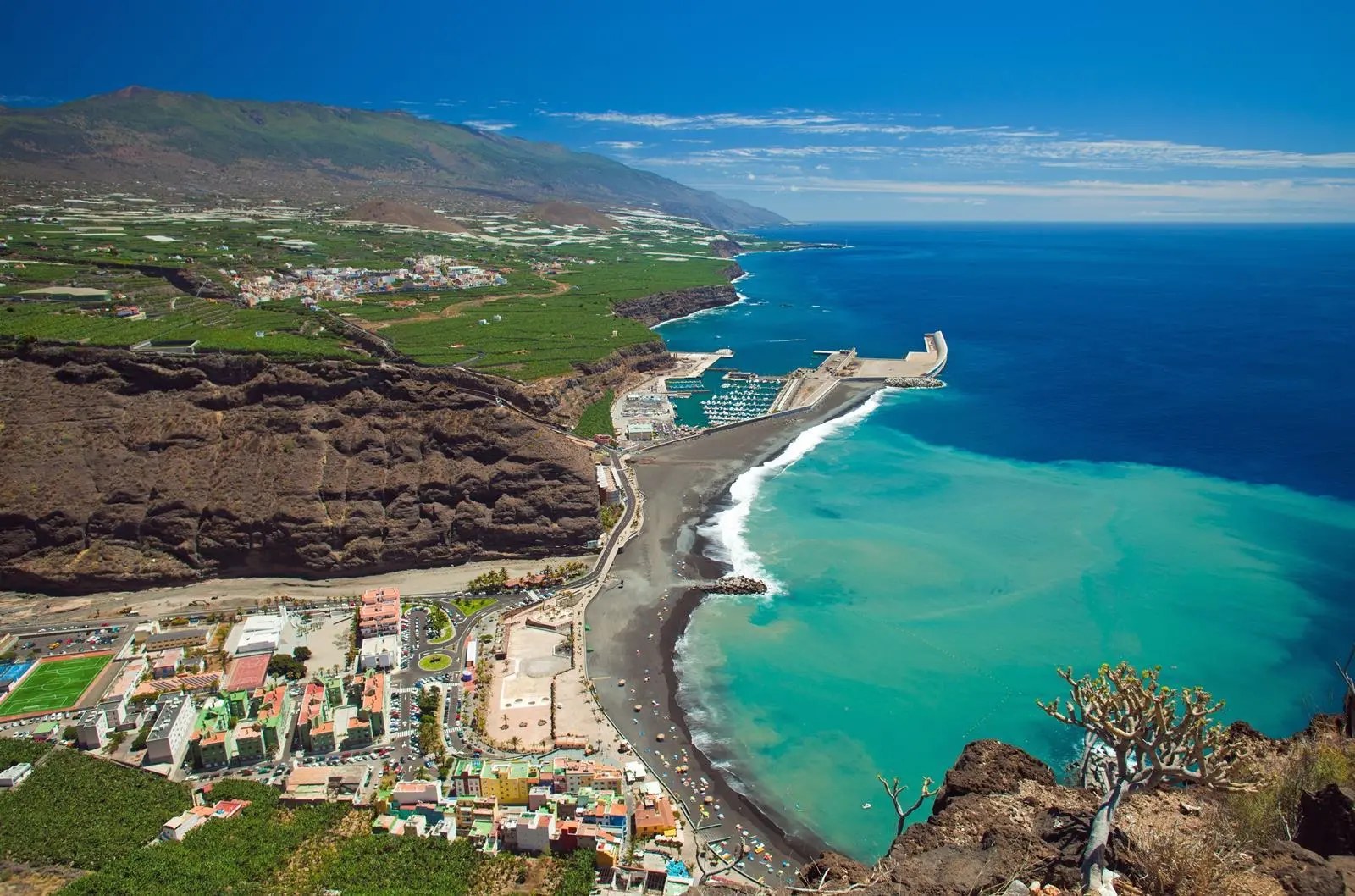
The Canary Islands, according to Lopez, are particularly well suited as a testing ground for floating offshore wind.
“Most of the energy there comes from burning diesel – so anything we can do with renewables is better than doing nothing,” he said.
With diesel prices hovering around €250–280/MWh, offshore wind could provide a much-needed alternative. However, he acknowledges the need for balance.
The China challenge
Lopez also warned against China’s growing influence in renewable infrastructure manufacturing, and that if the size of turbines is going to continue along its physical growth trajectory, Europe might have no option but to source its turbines from China.
“China manufactures against critical infrastructure,” he said. “if Europe wants to grow too fast in installations, then the local supply chain may not be able to cope with it and China does have huge supply capacity. My advice is to insist on a planned sustainable installation that can make good use of the European industries’ capacity and also adapt the supply chain accordingly to cover the transient periods.
“Spain has an industrial base. We think that it’s important that when you have been developing this knowledge you have to keep control of that knowledge. The wind industry in general is probably the only renewables industry in which Europe still has some control of the technology. If we don’t have control of the technology with our own factories, we lose control.”
He pointed to trade policies that are stifling European competitiveness, citing NZIA (Net Zero Indusrty Act) and CBAM regulations.
“Producing aluminium in Europe means you have to pay, but you can import scrap aluminium from China with zero tax,” he said. “China is sticking to their plan as a country. This is the right way for them. We are penalising our own market.”
Other challenges
The importance of coexistence with other industries, particularly fishing and tourism, was also raised at WMW.
“We need to consider every other use of the sea,” said Lopez. “For tourism, there are two sides. On the one hand, it ruins the landscape; on the other, tourists want to go out to see them. It could become a tourist attraction.”
Biodiversity, he said, is another area that requires careful consideration.
“You don’t know the actual effect until something is in place,” he said. “We don’t have enough data to foresee any reaction; we have to learn from it.”
Lopez also stressed the importance of maintaining the industry over time, and not just grow for the sake of it.
“We need to focus on the technical development and knowledge and investigations,” he said. “Make sure that the development is sustainable. It’s got to have a target but how are we going to reach it so the industry can keep up and survive?
“It’s all well and good to build a wind farm, but it has to be serviced and maintained. You need an ancillary industry to keep it going, the right people, a base that can survive and persevere when the transitional period comes to an end.”
Spain, believes Lopez, is at a pivotal moment.
“We have a regulatory skeleton to build upon, but we could be more ambitious,” he said. “We have major facilities that allow us to test. There are 50 prototype patents in the world, and Spain holds 14 of them.”
With the right investments, collaboration, and regulatory support, he believes Spain can become a leader in offshore wind. It’s time for Spain to ‘get afloat’ and seize the opportunities that wind energy presents.
Related Articles
 FEATURES & VIDEOS
 ENVIRONMENT
 OTHER NEWS