![MaritimeJournal[Seawork]](https://www.maritimejournal.com/wp-content/uploads/2026/09/MaritimeJournalSeawork.svg)





New report paints mixed picture of US offshore wind
A new report by Reuters Events – US offshore wind scrambles to re establish growth in 2024 – paints a mixed picture of the outlook for offshore wind in the US, following a turbulent 2023 for the US and Europe in the sector.
Project stakeholders are looking to bounce back from disruptive cost increases and delays and re-establish investor confidence in the nascent offshore wind sector, it says, but a lot will depend on auction mechanisms and energy prices – which have been raised in the UK in the wake of its last auction not receiving a single bid from offshore wind developers.
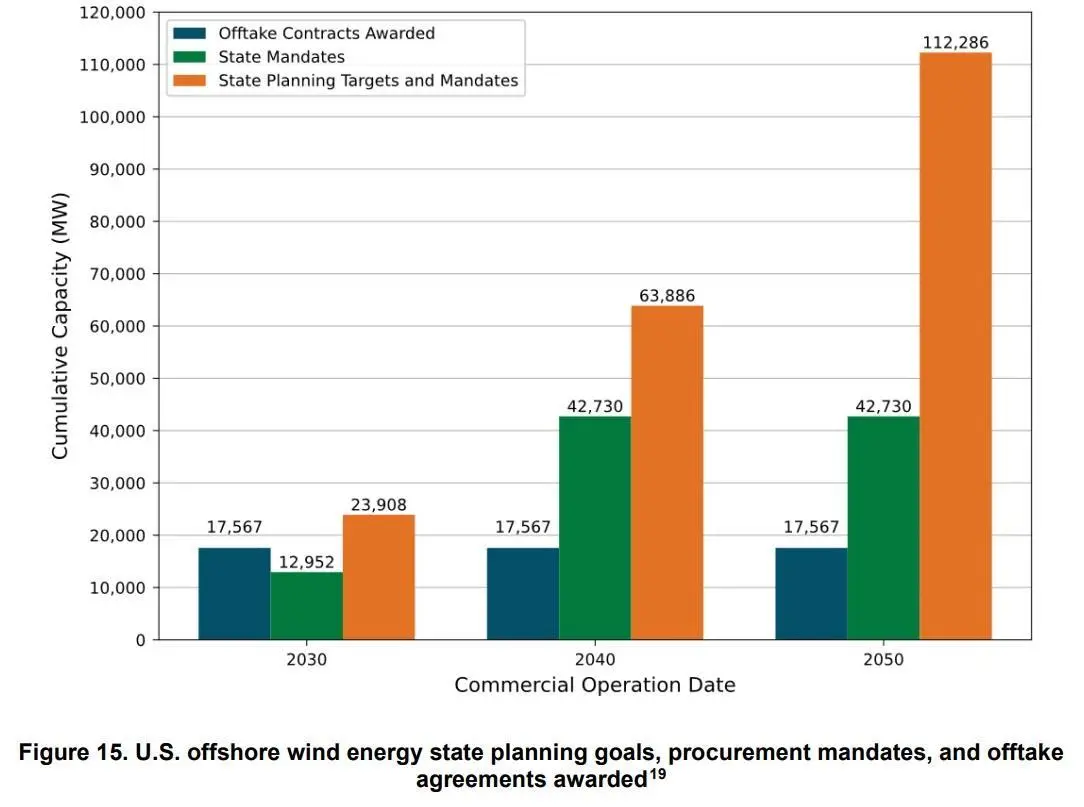
Focusing on the US, the report blames what it calls ‘global macroeconomic challenges’ blowing US president Joe Biden’s offshore wind ambitions off course. The US president, who faces a general election in November this year, has set a target of 30GW of offshore wind by 2030.
East Coast state mandates, offtake agreements and ambitious federal targets pointed towards strong growth, but soaring costs and inflation since the Covid outbreak have disrupted things.
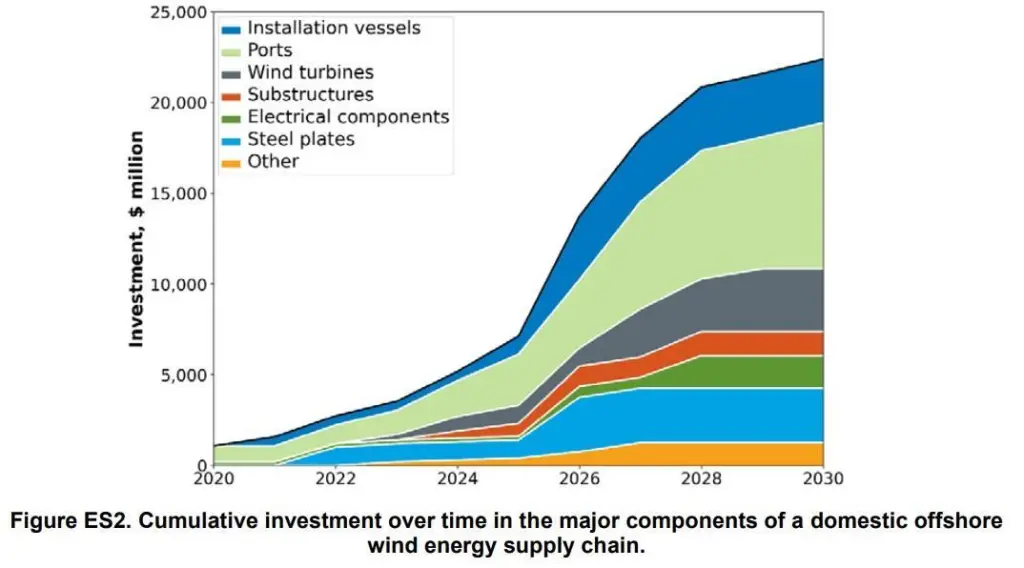
Supply chain bottlenecks as well as rapid cost increases have resulted in projects being scrapped and developers halting project plans, writing off billions of dollars already invested.
Orsted, for example, the world’s largest offshore wind developer, has stopped the development of its 2.2GW Ocean Wind 1 and 2 projects in New Jersey, blaming higher costs and vessel shortages.
“The Danish firm announced impairments on the project could reach $5.58 billion and the future of the project is uncertain,” says the report.
It quotes CEO Mads Nipper as saying that the company’s early-stage investment in ocean wind one was ‘without a doubt… the wrong decision’.
“A wave of projects scheduled to be installed in 2025 to 2028 has been particularly impacted, threatening investments in a US supply chain needed to support sustainable growth,” the report says, saying states have acted fast to get development back on track and that “2024 will be a crucial year for the US offshore wind sector as state authorities roll out a flurry of new offtake auctions”.
“Inflation has fallen from post-pandemic highs but costs will not return to pre-2021 levels for at least three years,” it quotes John Murray, senior wind analyst at S&P Capital Commodity Insights, as saying.
Signs of optimism
The report does say that developers are moving ahead with more advanced projects, which have been less affected by recent rising prices.
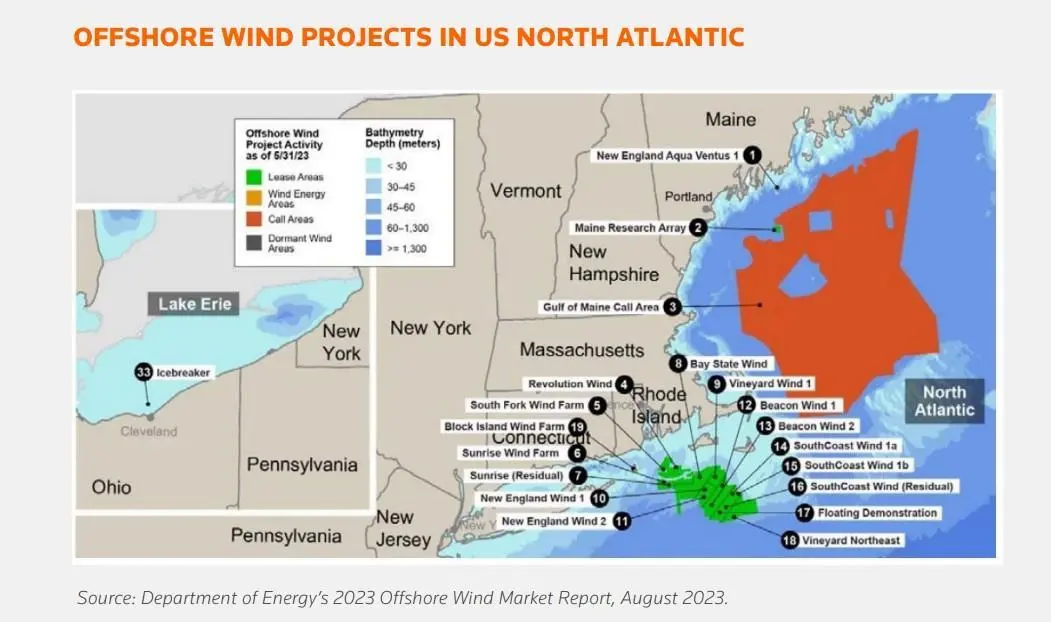
In September, Avangrid and Copenhagen infrastructure partners began installing turbines on an 800MW Vineyard Wind 1 project near Massachusetts, which will be the first largest offshore wind farm in US waters.
The 132 MW South Fork Wind array is also due for completion this year by Orsted, which took a Final Investment Decision with Eversource on a 700MW Revolution Wind project for Rhode Island and Connecticut from next year.
The report also says tax incentives in the inflation reduction act should alleviate some of the cost risks, providing tax credits to developers particularly if they source services from US-based suppliers or so-called clean energy companies.
Detailed guidance has not yet been published, but the report quotes Jeremy Slayton, a spokesman with Dominion Energy, which is also proceeding with a project, as saying the tax credits should result in billions of dollars of savings for customers.
“The Biden administration aims to complete environmental reviews of at least 16 offshore wind projects by 2025 and is introducing a range of regulatory changes to accelerate approvals, the report says.
The Bureau of Ocean Energy Management has set up proposals to streamline permitting approval mechanisms so is that the process can be sped up.
The report also fears a change of leadership in the White House, saying that if the Republicans take power, offshore wind would not be a priority.

Related Articles
 ENVIRONMENT
 DREDGING & FLOOD DEFENCE
 ENVIRONMENT