


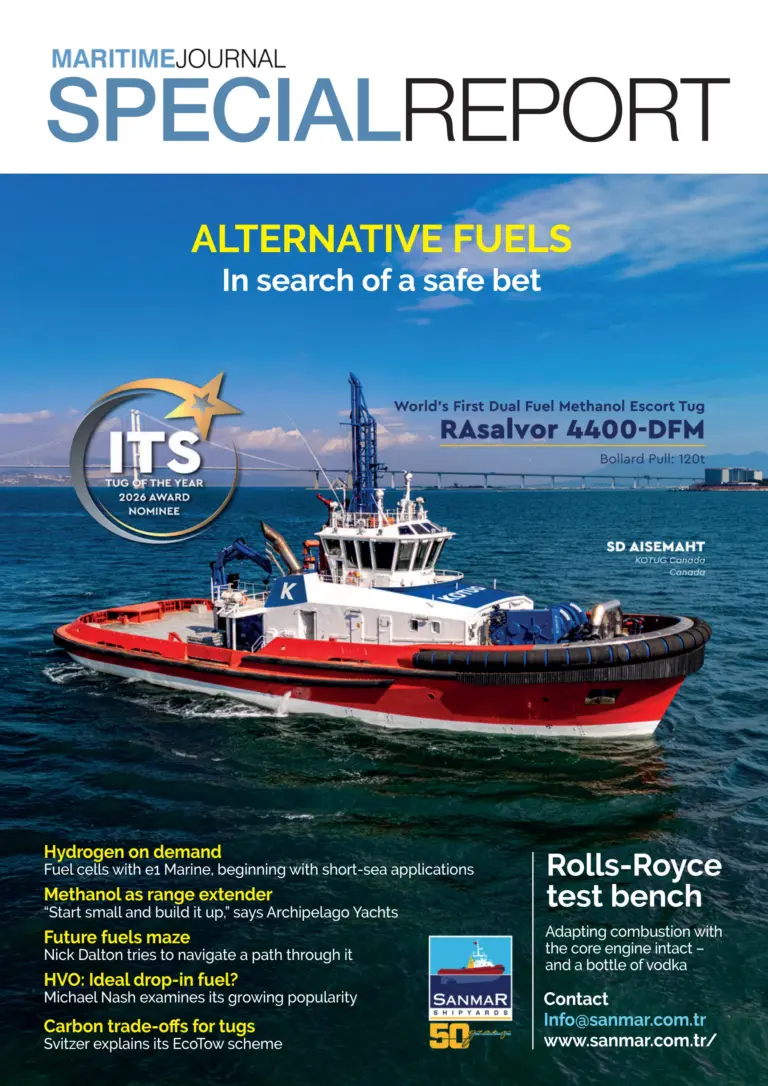
Alternative Fuels
We are on the cusp of one of the greatest transformations in history in terms of fuel options for commercial vessels.
Never before has there been such a myriad of options either being developed, invented or engineered in the name of ‘net zero’ – ie zero carbon emissions.
This itself is extremely questionable.
How ‘carbon free’ are batteries, for example, when you look at them from cradle to grave? How ‘carbon free’ is hydrogen, when you consider the added weight on vessels, energy to produce it and greater infrastructure that full-scale availability would require? How ‘carbon free’ is Svitzer’s EcoTow emissions trading solution, explained in these pages, which simply moves the fuel burn around on paper to give a ‘net zero’ result locally?
As regulation tightens, ship operators have few options: they have to consider ditching diesel, which to this day has no performance or availability competitor, for one or even some of the emerging contenders in the space.
From hydrogen fuel cells to methanol engines, from HVO drop-in fuels to sophisticated carbon-accounting frameworks, we try to offer an insight into where alternative marine propulsion stands today and where it is heading.
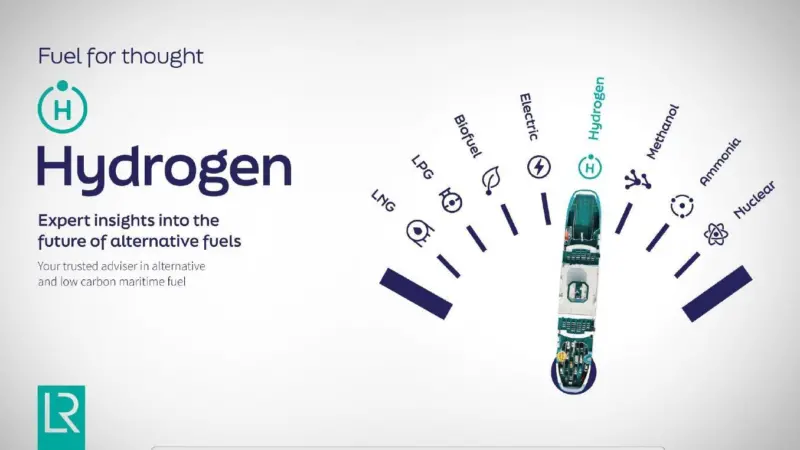
Hydrogen commands much of the debate in decarbonisation circles, and we spoke to Dave Lee, executive director at e1 Marine, who makes the case that hydrogen’s first credible marine applications are not in deep-sea shipping but in the short-sea and coastal sectors. Lloyd’s Register’s authoritative Fuel for Thought report also examines the gas in depth, showing that the fuel is already moving into real-world applications.
Retrofits are explored through Green Marine UK’s Project Verdant, which is converting an existing crew transfer vessel, Green Storm, into a hydrogen fuel cell hybrid.
Methanol seems to be another favourite, and we look at it in two contrasting contexts: Rolls-Royce’s application engineering team – Tobias Kohl and Peter Gommeringer – explain the results of their meOHmare full engine test programme on the mtu Series 4000 platform, and at the other end of the scale, Archipelago Yachts owner Stephen Weatherly explains how he arrived at methanol through a systematic elimination of every other alternative fuel.
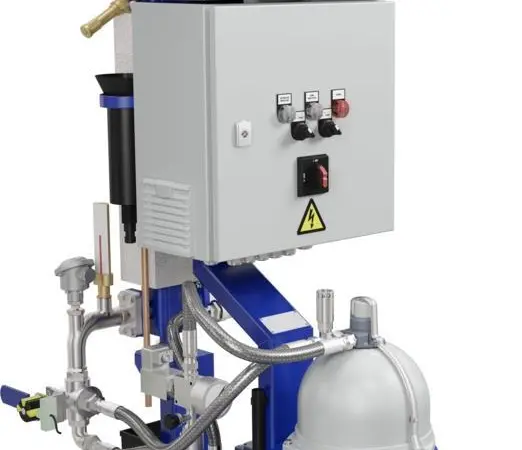
We also look at HVO (hydrotreated vegetable oil), both as the fuel itself and as a pawn in Svitzer’s chess game of fuel trading, or as it would call it, ‘mass-balance approach’.
And finally a few facts and figures, brought to you by Nick Dalton, who summarises the key elements of the different options coming out.
It won’t be plain sailing, but I hope you enjoy the report!
Debbie Mason, Editor Maritime Journal
dmason@maritimejournal.com
In this report
 FUTURE FUELS
OPINION: A flexible course to net-zero shipping
![Dave Lee, Executive Director, e1 Marine [headshot]](https://www.maritimejournal.com/wp-content/uploads/2026/04/00_341519_daveleeexecutivedirectore1marineheadshot_866774-800x450.webp) FUTURE FUELS
FUTURE FUELS
Hydrogen finds its footing in short-sea shipping
 POWER & PROPULSION
Hydrogen in the dock: Lloyd’s Register’s judgement
 POWER & PROPULSION
Methanol: The only real contender, says yacht builder
 POWER & PROPULSION
Realism in transition race: back all horses
 INTERVIEWS
Project Verdant: The hydrogen CTV option
 POWER & PROPULSION
Rolls-Royce bets on a greener engine
 POWER & PROPULSION
Suppliers optimise onboard management for HVO
 TUGS & SALVAGE
 POWER & PROPULSION