![MaritimeJournal[Seawork]](https://www.maritimejournal.com/wp-content/uploads/2026/09/MaritimeJournalSeawork.svg)




Norway ‘excited’ about offshore wind future
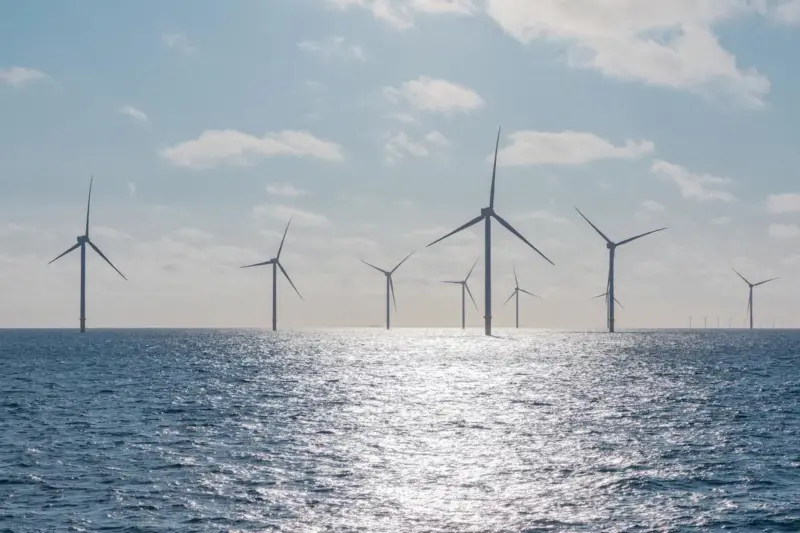
Norway’s Ministry of Energy says it is ‘excited’ about its offshore wind future, despite receiving just two applications to bid in its latest floating wind auction.
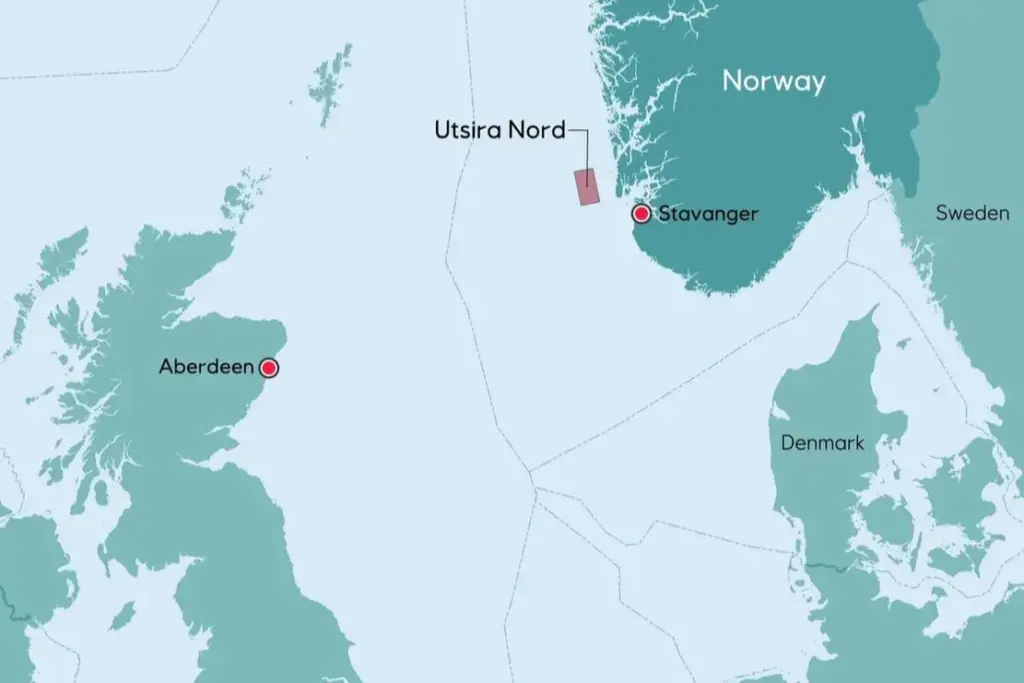
A spokesperson from the ministry told Maritime Journal that it was encouraging that the two applicants, ‘consisting of strong players’, had applied to compete for projects in Utsira Nord, ‘even though we know that it’s been challenging times for offshore wind globally’.
The consortia consist of one made up of Equinor and Vårgrønn and a second that includes Harald Hårfagre (Deep Wind Offshore Norway) and EDF.
“The fact that applications have been submitted by several strong players shows a willingness to invest in floating offshore wind, despite a challenging market situation,” the spokesperson said.
“Going forward there will be a need for inxreased power production from renewable sources, not the least to reach the climate ambitions in Europe. Additional offshore wind will be part of the solution.”
Norway has Europe’s longest coastline because of all its inlets and coves, but it also has extremely deep waters, making fixed-bottom wind tricky. However in 2024, a 1,500MW fixed-bottom project (Sørlige Nordsjø II) was awarded to Ventyr, which the spokesperson said was now conducting a project-specific impact assessment, and with the advent of floating wind, more opportunities are opening up.
“Given the large coastline and good wind resources, the technological potential for especially floating offshore wind in Norway is substantial,” said the spokesperson. “You’re right about the fact that there are only a few wind farms by now, but the government is clear about moving on to reach our goals to allocate areas for 30GW offshore wind productions by 2040.”
Norway is currently home to the world’s largest offshore floating wind farm, Hywind Tampen, which powers oil and gas fields in Norway’s part of the North Sea. It consists of 11 turbines with a total capacity of 88MW.
”The government is determent to contribute to the development of offshore wind,” said the Ministry of Energy spokesperson. “The aim is to provide increased renewable power production, as well as contributing to industry and technology development.”
Related Articles
 FEATURES & VIDEOS
 ENVIRONMENT
 OTHER NEWS