

PLA outlines Thames net zero plan
The Port of London Authority has worked with terminal and vessel operators to outline ways to decarbonise the River Thames.
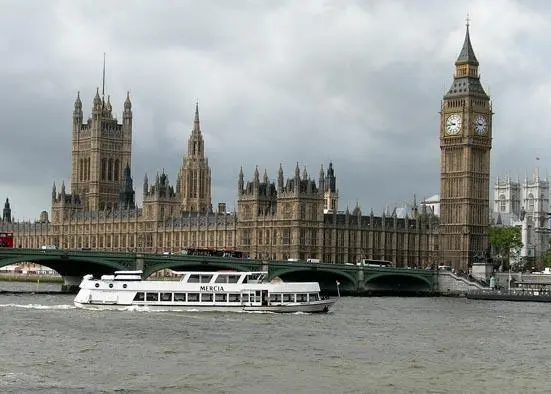
The Net Zero River Plan identifies four priority areas to hasten the move to net zero: alternative fuels and infrastructure adoption, clear regulation and legislation, funding and reliable data.
“We’re working with operators from the length of the tidal Thames as we know that taking rapid action to reduce emissions is vital both to addressing climate change and to ensure a competitive future for trade and transportation,” said Grace Rawnsley, director of sustainability at the Port of London Authority.
“All of the terminal and vessel operators involved, as well as other supporting stakeholders, are showing great commitment to net zero and a sustainable future for our river.”
Significant progress is already being made, says the port, with hydrogen ferries, onsite renewable energy generation at terminals, use of the river for light freight, construction of fully electric berths, the introduction of hybrid passenger vessels, and a fully electric work boat delivered and licensed for use.
“Electric and hydrogen-powered ferries and new, clean, green opportunities for freight will transport people to places and goods to market cutting carbon, building business and connecting communities,” said Kate Willard, Thames Estuary envoy and chair of the Thames Estuary Growth Board.
“With innovative new approaches to green investment in the Thames Estuary together we can make this happen.”
Specifically the plan outlines the move towards more sustainable fuels and greener technology by:
- A strategic infrastructure plan for the Thames for shore power, and the importation, storage and bunkering of alternative fuels.
- Working with regulators to promote the safe adoption of alternative fuels and green technology.
- Creating a “Centre of Excellence for Green Projects” for Thames operators to capitalise on future government funding cycles.
- Enabling the use of data with access provided to the Maritime Emission Portal data for operators on the Thames.
Related Articles
 ELECTRICAL SYSTEMS
 ENVIRONMENT
 ENVIRONMENT