

Q&A: How Norway and UK are collaborating on decarbonisation
The UK and Norway signed a Memorandum of Understanding earlier this year to work together on decarbonising the maritime sector. Artemis Technologies and Evoy talk about its value.
The MoU on Maritime Cooperation, signed in February 2024, represents a significant milestone in the drive to decarbonise the maritime sector.
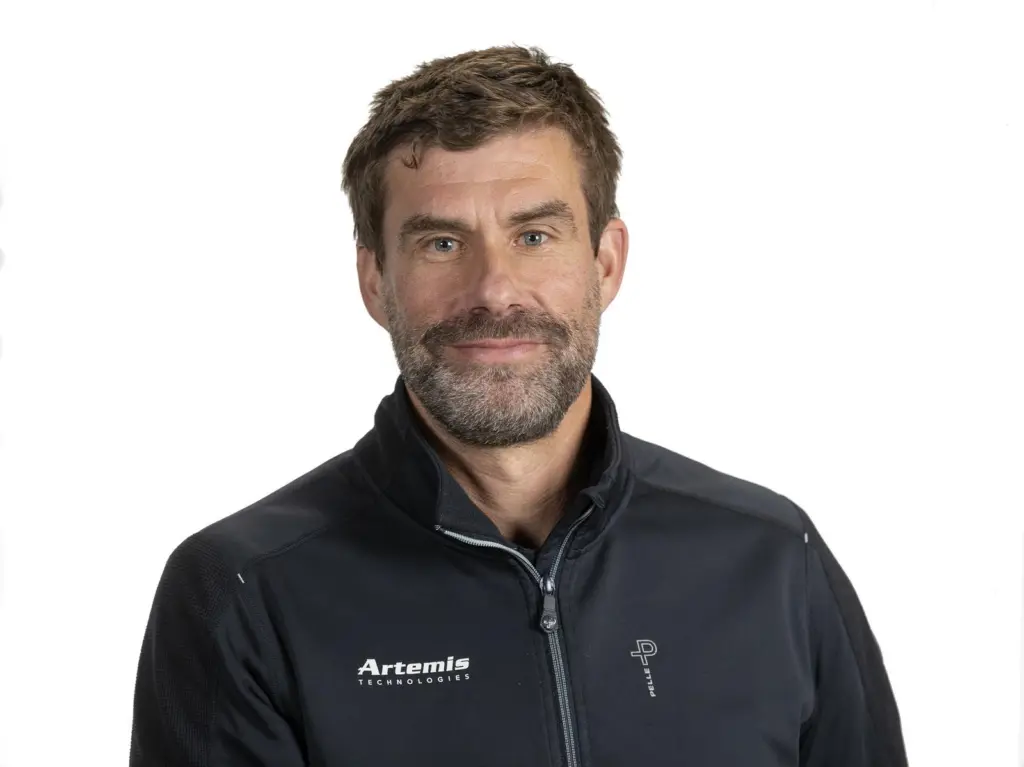
For innovators like Iain Percy, CEO of Artemis Technologies, and Leif Stavøstrand, CEO of Evoy, the agreement offers exciting opportunities to lead the transition towards clean maritime transport.
Both companies are already developing sustainable solutions that are redefining the future of workboats, ferries and crew transfer vessels.
In this Q&A Iain Percy and Leif Stavøstrand explore what their MoU means for the industry and how they see the future of maritime transport.
Q: How does the UK-Norway agreement impact your businesses and the maritime sector as a whole?
Iain Percy: “Norway has gone further than most countries when it comes to implementing zero-emission vessels on commercial routes. Its fjords and exposed coastline provide the perfect area to benefit from active foil technology. Our eFoiler technology will open up more routes, faster commuting times, and more comfortable transits than previously available in the Norwegian market.”
Leif Stavøstrand: “I see the ocean as providing a natural transport solution for Norway. It’s important when countries like Norway and the UK put their heads together and say that they want to lead with decarbonisation and digitalisation within the maritime industry. We want to be an inspiration for others to go electric so the maritime industry can decarbonise as quickly as possible.”
Q: What challenges do you face as innovators in the maritime sector, and how can they be addressed?
Leif Stavøstrand: “It’s not just about developing the technology. You also have to convince the market space that this technology is mature enough, it’s safe, and that the timing is right to go electric. It’s important for key players in the industry to talk together and find good synergies that we can showcase to the world. We can build trust by working together, opening doors for each other, and getting more electric boats on the water.”
Iain Percy: The key challenge for the maritime industry is adopting solutions that can really help decarbonise the sector. There’s a lot of talk but not much action. I think operators are nervous but there are tried and tested technologies such as our eFoiler technology that can help support them in meeting their emission targets today.
Q: Where do you see the greatest opportunities for growth in clean maritime technologies?
Iain Percy: “Electric foiling vessels are a very quick and flexible way to decarbonise for cities. In many cities around the world, and famously in the likes of Sydney or New York, ferries are used very much day to day as a commuter service. There’s great potential for growth in these markets.”
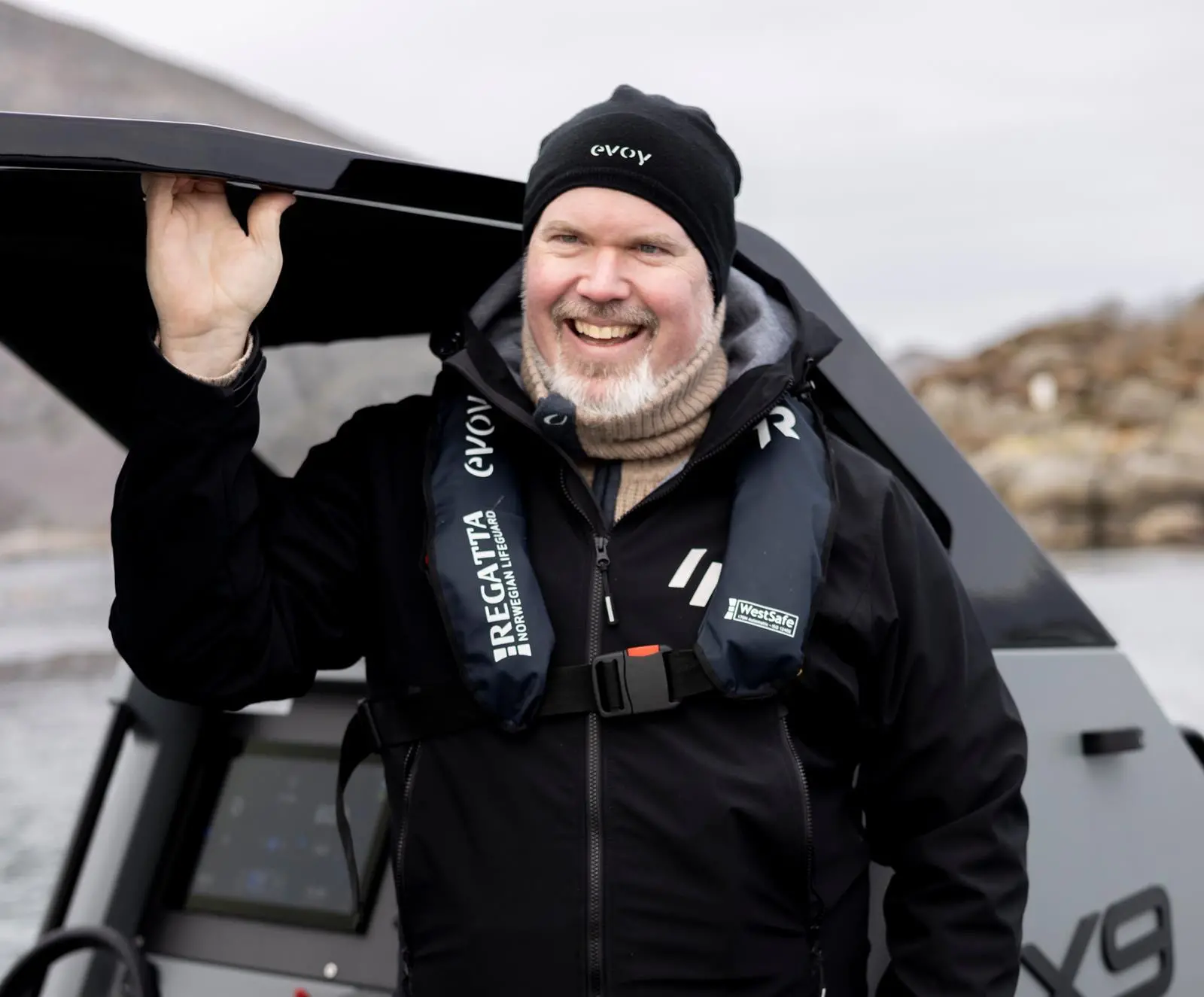
Leif Stavøstrand: “In Norway, we’re seeing this momentum spill over into smaller vessels and workboats. Electric propulsion is being adopted in sectors like aquaculture, ports and recreational boating. It’s proving that with the right support, the maritime sector can adapt, and there’s growing demand for these solutions.”
Q: With many regulations coming in, can the maritime industry afford the transition to net zero?
Leif Stavøstrand: “Government support is crucial to get new industries up and running. About 10 years ago, the Norwegian government decided to put out contracts for electric ferries and have that as a demand in the tenders. Today, most of the ferry fleet in Norway along the coast is electric, and that’s now spilling into smaller vessels and boats. This shows that with the right policies, it is possible for the industry to make the transition.”
Iain Percy: “We’re very lucky to have the Belfast Maritime Consortium, which is funded by UK Research and Innovation’s Strength in Places Fund. Collaborations like this, alongside government support, will be essential to make the transition affordable. Standardisation will also play a big role in driving down costs and making it easier for businesses to adopt electric solutions.”
Q: What fuels and innovations do you see leading the future of maritime transport?
Iain Percy: “Reducing drag enormously with foiling has been our unique selling point at Artemis Technologies, and electric propulsion will lead the way for commuter ferries and smaller vessels.
Leif Stavøstrand: “Electric motors are better in every way. They are smaller, cheaper, more powerful, and have no emissions. As battery technology evolves, electric will dominate for commercial and recreational boats. It’s the natural future of the maritime industry.”
Percy and Stavøstrand both see the UK-Norway partnership as a vital step in accelerating maritime decarbonisation, with electric vessels playing a key role. Alongside Artemis Technologies’ foiling and electric propulsion, Evoy is working in the aquaculture, ports and leisure boating sectors.
By combining their expertise, both companies believe they are pushing the boundaries of clean maritime transport, with collaboration and strong government support vital for achieving their aims.
Related Articles
 ELECTRICAL SYSTEMS
 ENVIRONMENT
 ENVIRONMENT