![MaritimeJournal[Seawork]](https://www.maritimejournal.com/wp-content/uploads/2026/09/MaritimeJournalSeawork.svg)


Spanish approval clears path for floating wind demonstrator
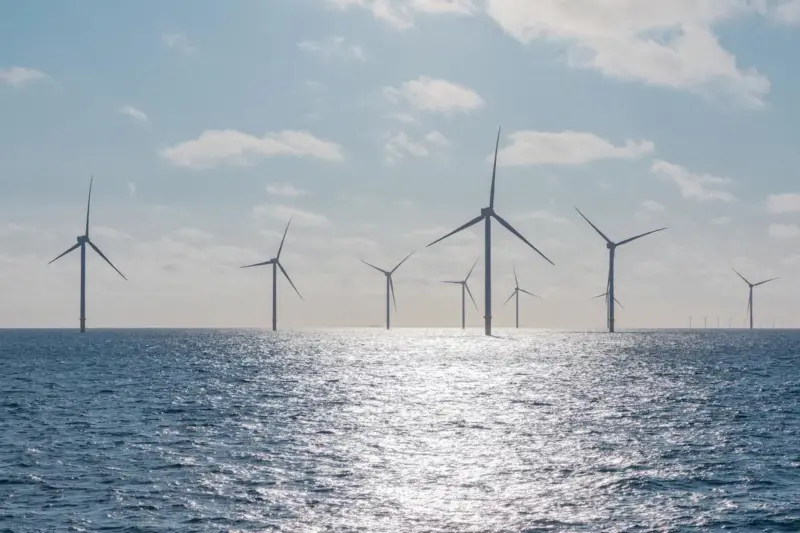
Spain has cleared a major regulatory hurdle for the deployment of a floating offshore wind demonstrator.
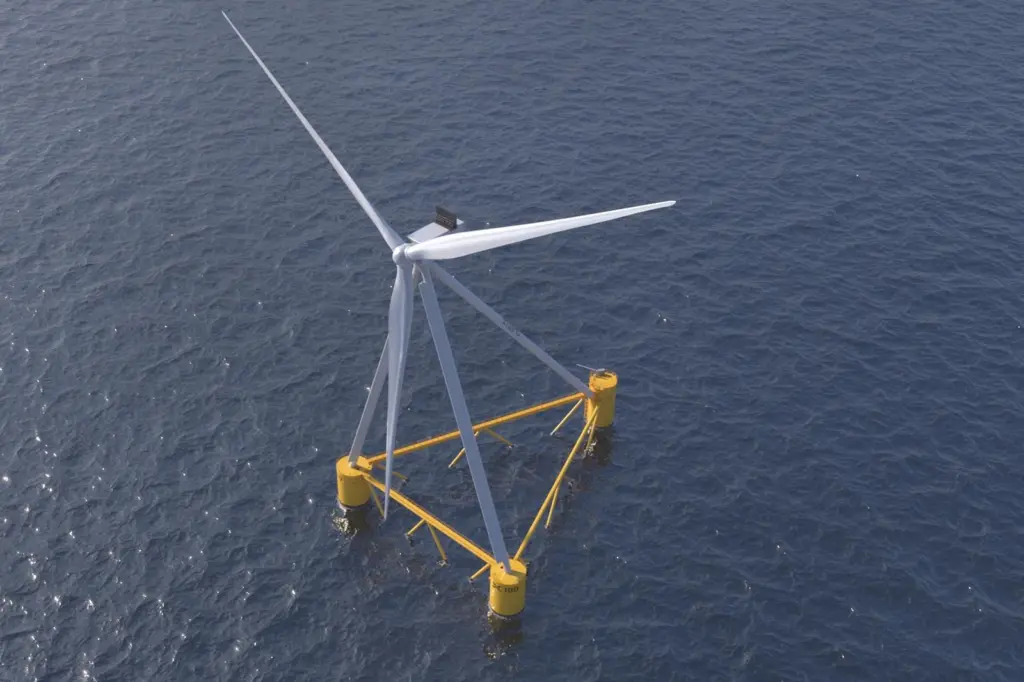
Environmental approval has been granted for the PlemCat test site in the Mediterranean Sea to install a floating wind platform by developer X1 Wind.
Maritime Journal has followed the progress of X1 Wind’s technology since 2021, when the company installed its part-scale floating platform demonstrator in the Canary Islands. That project validated the company’s innovative tension-leg platform (TLP) concept at sea, providing the foundation for the larger commercial-scale system now planned under the NextFloat programme.
The EIA, published by Spain’s Ministry for the Ecological Transition and the Demographic Challenge (MITECO) in the Official State Gazette (BOE), confirms that the PlemCat site meets the country’s environmental requirements for offshore wind development. It is a prerequisite for securing the necessary marine space and permits for offshore installations in Spanish waters, which are very deep and largely unsuitable for fixed-bottom turbines.
The approval follows another recent milestone for the project after classification society DNV awarded the X100 platform a Statement of Compliance for its basic design, confirming that it meets international engineering and safety standards.
Design details
Led by Technip Energies and X1 Wind, the X100 combines features of a tension-leg platform with a semi-submersible design to reduce structural weight while limiting its environmental footprint.
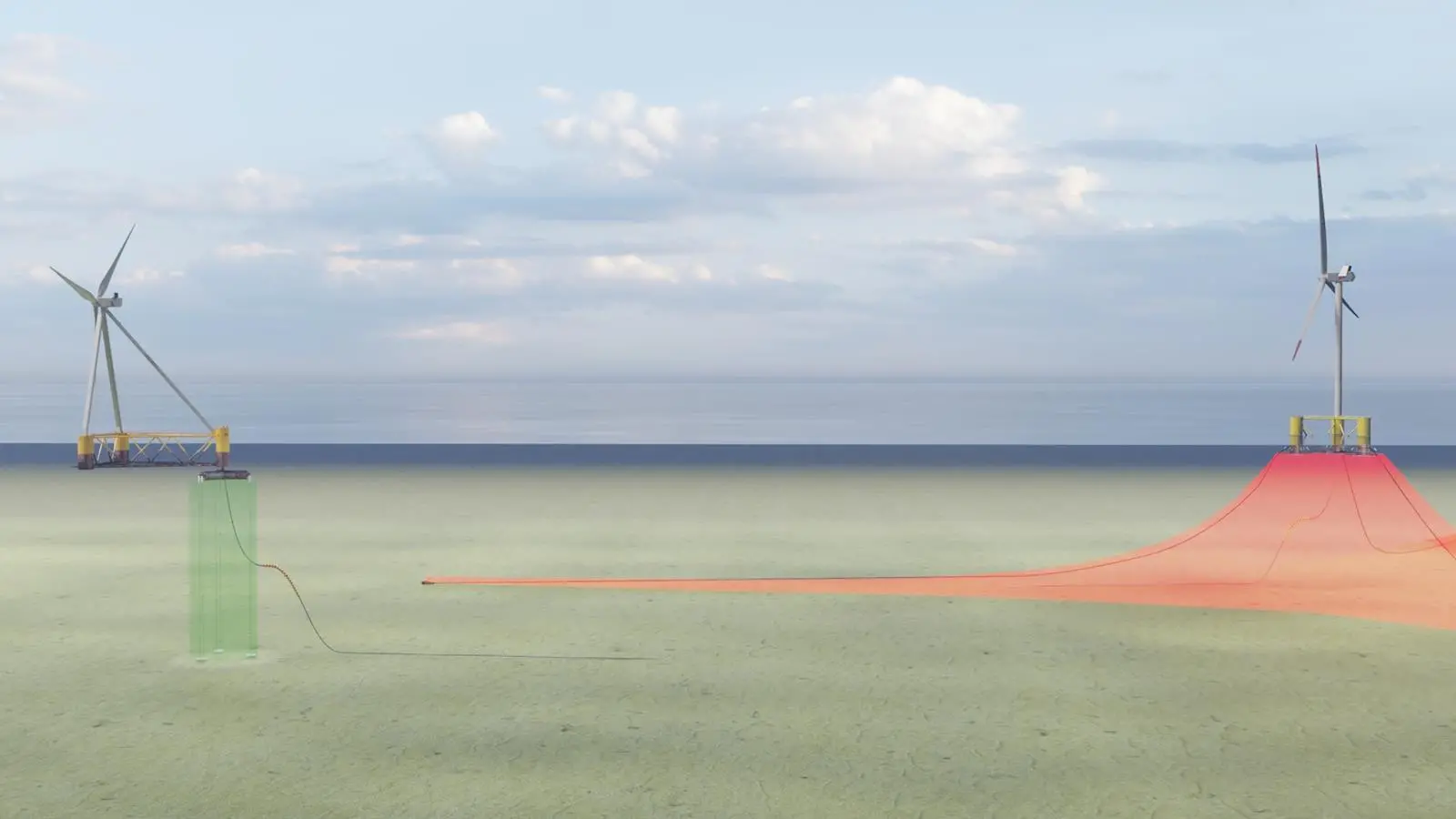
According to X1 Wind, the platform’s vertical synthetic mooring lines require a significantly smaller seabed footprint than conventional catenary mooring systems, reducing seabed disturbance and underwater noise while allowing offshore wind developments to coexist more easily with fishing and scientific research.
The tripod-shaped structure has been designed for turbines with 160m rotor diameters and an installed capacity of 8.5MW. The company says the design reduces primary steel requirements by between 30% and 50% compared with floating platforms deployed in earlier European demonstration projects.
Data gathered during several years of offshore operation will support certification of the technology and the development of the larger X150 platform, designed for turbines exceeding 20MW.
“This demonstrates that our technology is safe, environmentally responsible, and ready for deployment,” said X1 Wind CEO and co-founder Alex Raventós. This brings us one massive step closer to making floating offshore wind cost-competitive globally.”
The NextFloat programme is supported through a combination of private investment, Horizon Europe funding, France’s PAREF programme and Spain’s RenMarinas initiative.