![MaritimeJournal[Seawork]](https://www.maritimejournal.com/wp-content/uploads/2026/09/MaritimeJournalSeawork.svg)






Will CCS really be a game-changer for the North Sea?
The tide appears to be turning in the United Kingdom with new approaches to carbon capture and storage (CCS) in the North Sea.
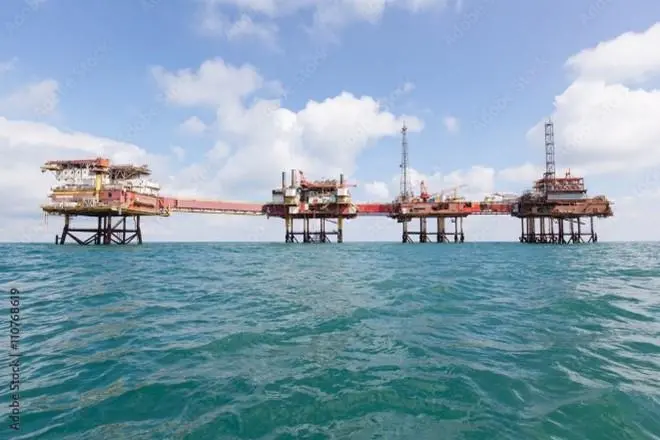
By capitalising on the vast potential of this marine expanse, the UK government is not only aiming to slash greenhouse gas emissions, but also hoping to spark substantial economic growth.
Enhanced regulatory powers will allow for a comprehensive mapping of CCS capabilities, positioning the UK to attract investment and create up to 50,000 new jobs by 2030, the government says. This strategic move aligns with the UK’s ambitious net-zero targets and signals a transformative shift in the nation’s energy landscape.
Integral to this strategy is the Energy Bill, which is set to catalyse the expansion of hydrogen and nuclear power industries while re-purposing existing North Sea oil and gas infrastructure.
Companies like Equinor, Storegga, and TotalEnergies are leading the charge, leveraging their expertise in re-purposing infrastructure and deploying advanced carbon capture technologies.
According to the report Assessment of carbon capture and storage in natural systems within the English North Sea (including within marine protected areas) by the Scottish Association for Marine Science, the North Sea itself holds a staggering 37.4 million tonnes of organic carbon, with 98% embedded in seabed sediments.
Considerable promise
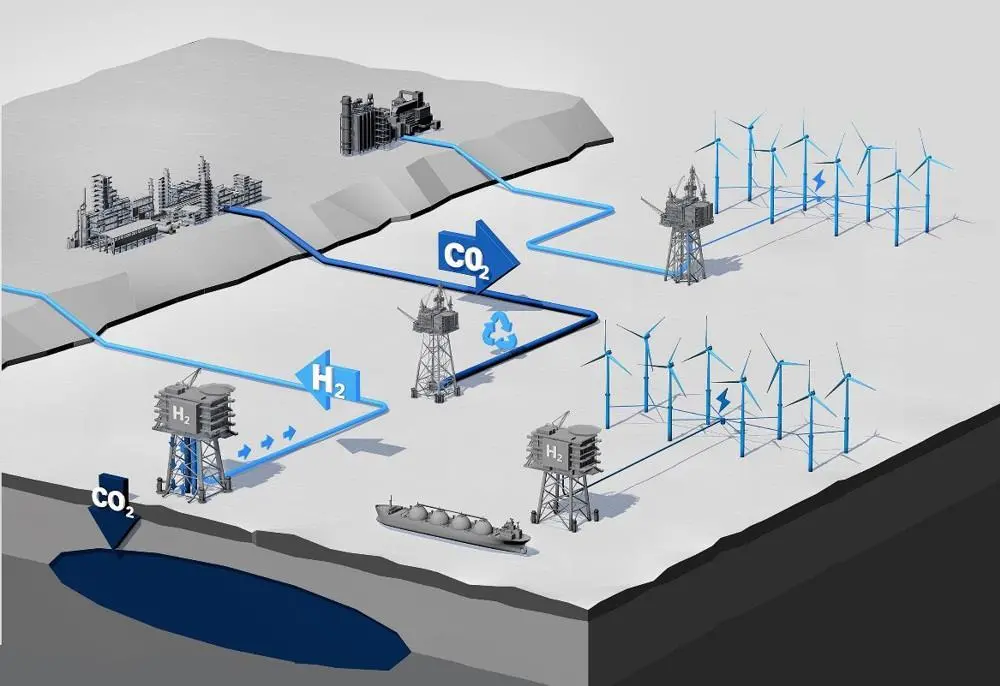
CCS technology involves capturing carbon dioxide from industrial processes or power generation and storing it underground to prevent its release into the atmosphere.
For commercial marine suppliers and builders, the UK’s North Sea CCS plans present a transformative opportunity. As the government scales up its CCS infrastructure, there will be a substantial demand for specialised equipment and services, ranging from advanced carbon capture technologies to enhanced seabed engineering solutions.
The re-purposing of existing oil and gas infrastructure for CCS will drive new projects, requiring innovative marine construction and maintenance.
The expansion of hydrogen and nuclear power facilities will also necessitate cutting-edge marine logistics and supply chain management, and engaging with these initiatives not only positions suppliers at the forefront of a burgeoning sector but also aligns them with the UK’s transition to a sustainable energy future, offering significant growth potential in an evolving market.
Potential drawbacks
Despite the ambitious vision, the UK’s CCS plans are not without their challenges and potential drawbacks. Critics, including Friends of the Earth and Greenpeace, argue that the focus on carbon capture technology could divert attention and resources from other renewable energy initiatives, such as wind and solar, which they believe could provide more sustainable long-term solutions.
The process of installing CCS infrastructure may also disrupt marine ecosystems, potentially harming wildlife and affecting biodiversity within the North Sea, and the re-purposing of oil and gas infrastructure for carbon storage carries risks of leaks and contamination, posing a threat to the surrounding marine environment.
The high costs associated with developing and maintaining CCS technology could also lead to increased energy prices, placing a financial burden on consumers and business underscoring the need for careful planning, robust environmental safeguards, and a balanced approach to energy policy.

Untapped potential
The UK’s plans for carbon capture and storage are a big step on its net-zero road, and could revitalise its energy industry.
By leveraging the region’s natural carbon storage potential and repurposing existing infrastructure, the UK is positioning itself as a global leader in clean energy innovation.
It will first be essential to address the environmental and economic challenges that accompany such large-scale initiatives, but balancing ambition with careful planning and robust safeguards, could ensure that CCS efforts drive sustainable growth and create a resilient, future-proof energy sector.
Related Articles
 FEATURES & VIDEOS
 ENVIRONMENT
 OTHER NEWS