




‘World’s largest’ wind farm approved despite bird death fears
The latest ‘world’s largest offshore wind farm’ has been given the green light in the UK despite a number of wildlife agencies raising concerns about the developer’s own estimates that thousands of sea birds that could be slaughtered once commissioned.
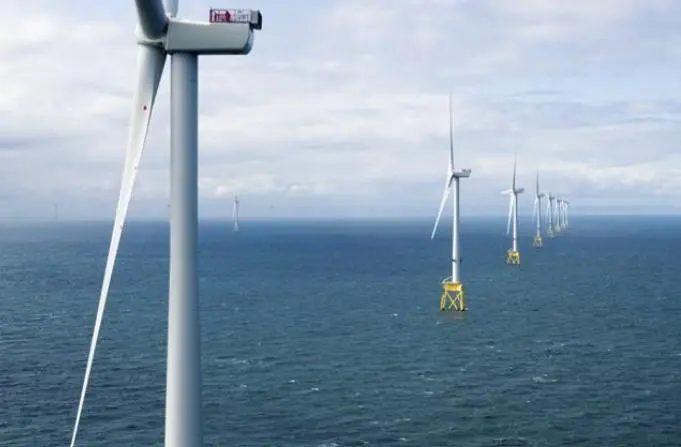
The Scottish government has granted a consent order to SSE Renewables for the Berwick Bank offshore wind farm, which is being touted as the world’s largest, taking that crown from the Dogger Bank site, which is also in the UK.
SSE Renewables says the farm will generate an impressive 4.1GW and will require 307 turbines to do so across a 1,010km2 area about 38 kilometres off the coast of Scotland. The turbines will each generate up to 14MW with rotor diameters of around 300 metres.
The Berwick Bank project is planned to be built in the outer Firth of Forth and Firth of Tay, approximately 38 kilometres east of the Scottish Borders coastline at St. Abb’s Head and 48 kilometres off the East Lothian coastline.
”Each turbine will be positioned between a minimum of 1,000m and 4,650m apart,” says SSE Renewables. “The same minimum distance as roughly 10 Hampden (football) pitches placed back-to-back, to allow plenty of space for sea birds to navigate.”
Bird deaths
Birds in fact have been a problem with the development, with environmental and bird-protection agencies attempting to put a stop to it, saying that in SSE Renewables’ own estimates, the turbines will slaughter thousands of sea birds.
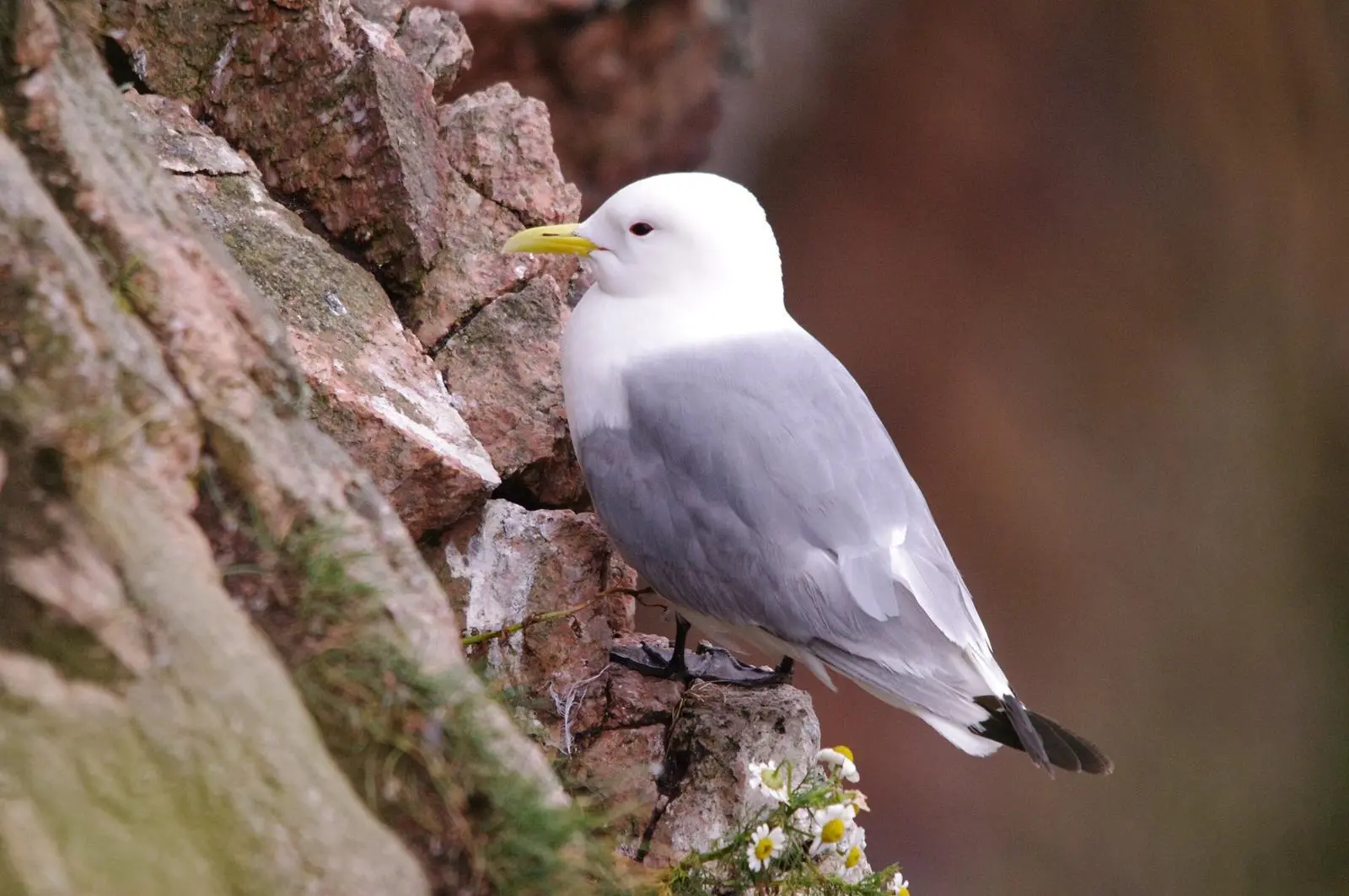
“It is predicted to have severe impacts – the Applicant predicts adult annual mortality of thousands of Guillemots, hundreds of Kittiwakes and scores of Razorbills and Puffins,” said Scotland’s Royal Society for the Protection of Birds.
With four other agencies, including the Scottish Wildlife Trust, the National Trust for Scotland, the Marine Conservation Society and the Scottish Sea bird Centre, the RSPB wrote to Scotland’s government calling for the application to be rejected, but this has clearly failed.
“Moreover, the impact from the proposed development is significantly higher than comparable sites,” they said. “In total across all SPAs where predictions were made, and across 20 years, 40,606 puffins, kittiwakes, guillemots and razorbills are predicted to be removed from the population. This mortality is particularly high when compared to other offshore wind farms.”
The wind farm is still at an early stage: this step was the last major consent needed, and it has taken 10 years of ’meticulous development work’ to get this far, SSE Renewables says.
“Delivery of the project will now be subject to SSE securing a contract for new low-carbon offshore wind power under the UK’s Contracts for Difference scheme, as well as reaching a final investment decision,” it says. “Berwick Bank offshore wind farm is vital to the UK’s 2030 clean power mission and to the energy security goals of the Scottish and UK governments.
“If fully delivered, Berwick Bank would become the world’s largest offshore wind farm, capable of generating enough clean energy to power more than six million homes annually.”
Related Articles
 ELECTRICAL SYSTEMS
 ENVIRONMENT
 ENVIRONMENT