




AI is key for deck machinery in tugs: Opinion
The maritime industry has always been at the forefront of technological advancements. With the increasing demand for efficiency and safety in tug operations, the rise of advanced autonomous deck machinery systems is booming.

Companies like Kongsberg Maritime are constantly pioneering new technologies, integrating Artificial Intelligence (AI) and Machine Learning (ML) to create efficient and safe maritime operations.
These technologies are transforming how tugs operate, particularly in busy ports like Rotterdam and Hamburg, where precision and reliability are paramount.
According to market research firm Consegic Business Intelligence, the deck machinery market is growing at a CAGR of 5.5% from 2023 to 2030.
Modern autonomous winches like the Kongsberg AutoChief and cranes are equipped with advanced sensors and control systems that allow precise and automated handling of heavy loads.
These systems use advanced control algorithms to automate tasks such as tensioning and releasing lines, which reduces the risk of human error and increases the operational speed. A study by the Port of Rotterdam demonstrated that autonomous mooring could cut docking times by up to 40%, reducing costs and increasing throughput.
Smart sensors
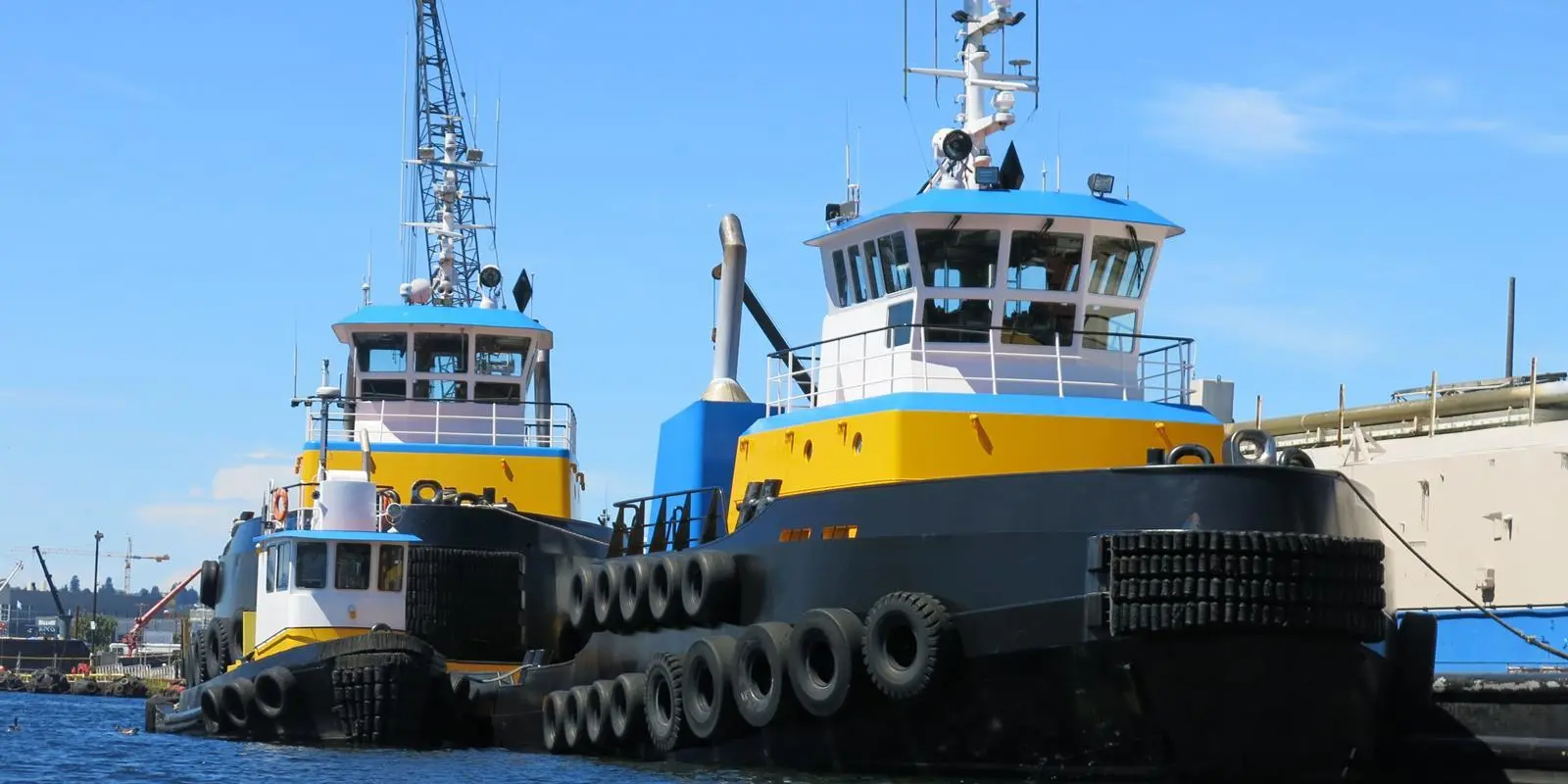
Smart sensors are crucial for monitoring machinery performance. They provide real-time data on the condition of the machinery and suggest predictive maintenance, which reduces the number of unexpected failures. Sensors such as strain gauges, load cells and accelerometers continuously monitor the condition and performance of equipment.
The autonomous deck machinery systems are designed to avoid collisions and handle emergencies more effectively by responding more quickly than manual equipment. The Wärtsilä Smart Dock system uses AI to execute docking maneouvres autonomously, and real-time monitoring systems can alert crews to potential issues, such as equipment overheating or excessive strain, allowing for immediate corrective actions.
These innovations improve the operational capability and also enhance the safety standards across European ports. The Norwegian company TugTec has equipped its fleet with autonomous winches and dynamic positioning systems, allowing for precise and stable manoeuvring in rough seas.
These systems provide the necessary power for operations while minimising fuel consumption and emissions.
As innovation continues to drive this sector forward, the demand for it on tugboats is expected to rise.
Related Articles
 ACCESSORIES & EQUIPMENT
 OTHER NEWS
 ACCESSORIES & EQUIPMENT