



Further delay for Elbe dredging
A German court decided earlier this month to delay the deepening and widening of the navigation channel of the Lower and Outer Elbe into the Port of Hamburg.
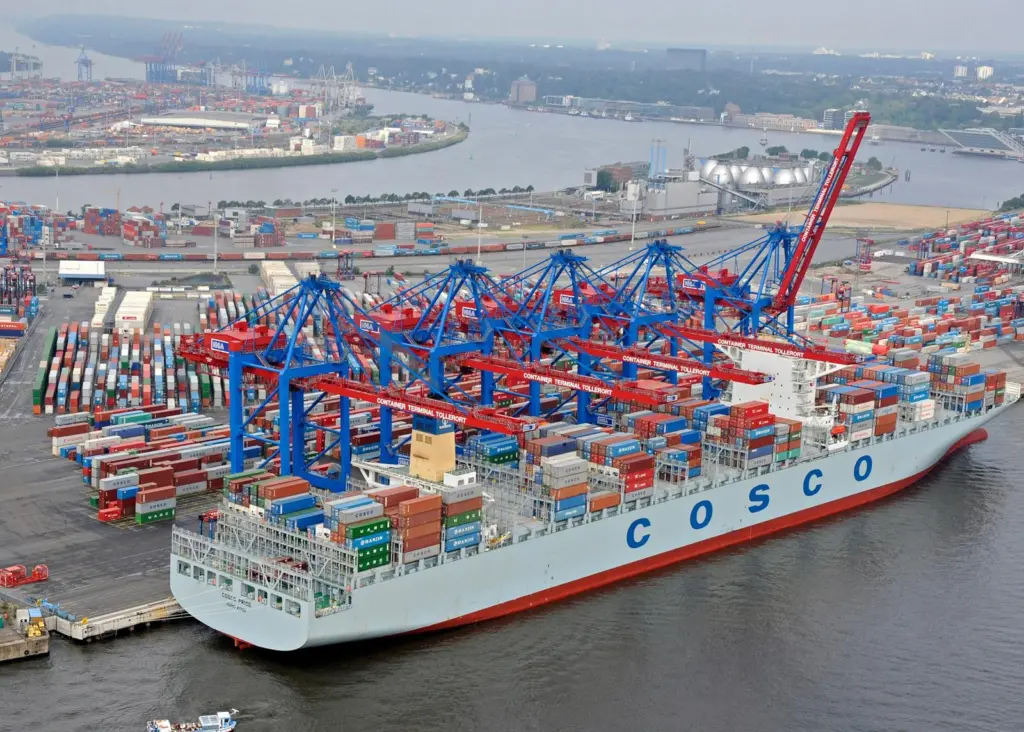
A final decision can only be taken when the European Court of Justice (ECJ) has clarified questions still outstanding on the so-called prohibition of deterioration and desirability of improvement embodied in the European Water Framework Directive. These questions will be resolved by spring 2015 in connection with complaints against a deepening of the River Weser.
Following more than ten years of planning and authorization procedures, further delay represents a considerable setback for the Port of Hamburg, its customers, shipping companies and firms operating in the port. With seaborne cargo throughput of more than 140 million tonnes and annual container handling of over 9m TEU, Hamburg is a major Northern European hub for handling worldwide cargo flows and transport chains in seaborne foreign trade.
Against the background of an increasing number of calls by mega-ships, access from the sea via the Elbe is of vital importance for the Port, the companies based there and in the Hamburg metropolitan region. More than 150,000 jobs are linked with the port.
Commenting on the Federal Administrative Court’s ruling, Klaus-Dieter Peters, chairman of the Executive Board of Hamburger Hafen und Logistik AG said: “We regret the continued delay of the urgently needed dredging of the river Elbe, which comes into effect with today’s ruling by the Federal Administrative Court. What’s pleasing, however, is that the court found no shortcomings in the plan approval, which could lead to the approval being revoked. We now eagerly look forward to the Luxembourg based European Court of Justice’s interpretive ruling on the Water Framework Directive. We still very much hope that the construction activities will start soon.
“However, irrespective of the court’s decision we will continue with our efforts to further boost the efficiency of our facilities’ handling operations. HHLA will also continue to pursue its intermodal strategy, which links the seaports and the European hinterland through logistics chains that serve as exemplary models in both economic and environmental terms.”
By Larz Bourne