





Controversial Workboat Code enforced
The MCA’s controversial new workboat code has gone in force today – with many of its problems eliminated or watered down thanks to hours of work by the Workboat Association (WA) and like-minded organisations.

Workboat Association CEO Kerrie Forster believes that he and his colleagues at the workboat association have spent some 1,500 hours working to develop, review and address the challenges with the original Workboat Code 3, which inflamed passions at Seawork earlier this year.
There has also been considerable cooperation with the Maritime Coastguard \Agency to rewrite certain measures, which have solved a lot of earlier issues.
“The MCA believed they were a lot closer to a finished document with their previous draft than the industry was expecting. So when we fed information back to them, they had not included a lot of it,” he said. “We were left feeling undervalued.”
This, he believes, is partly down to significant staffing changes within the MCA at the time – the MCA Codes team is almost a completely new team since Workboat Code 2, but since the Seawork conference a lot has been going on behind the scenes and cooperation from all sides has been key.
Forster said he was pleased with the outcome, with one of the most positive aspects the amount of time workboat owners are given to meet new compliance regulations.
“In general the code says that existing vessels have between three and five years to comply with the regulations, depending on when they have been certified,” Forster said. “New vessels where the keel is laid after today’s date, or old vessels that are not previously coded, will need to comply straight away.
“For people buying second-hand vessels, they can assess how much it will cost to comply before they buy. So if the cost of compliance is worth more than the vessel, they don’t need to buy.
“My overall impression is that we have ended up with a very positive situation compared to where we thought we would be six months ago. The final part of the publication of the code has been very transparent from the MCA, we appreciate their work – but the devil is in the detail. It will come down to industry and certifying authorities to get to grips and understand the new code and the challenges or changes it’s going to create for everyone.
“None of the changes are particularly huge, some are sticky, some are necessary, for example additional firefighting equipment. You should have the money for a couple of pumps and fire extinguishers, but not necessarily the money for whole new integrated systems.
“It’s such a long implementation time that people will adjust gradually in different ways.”
Materials versus less obvious costs
The code is fairly relaxed in some areas and many material recommendations can simply be ignored.
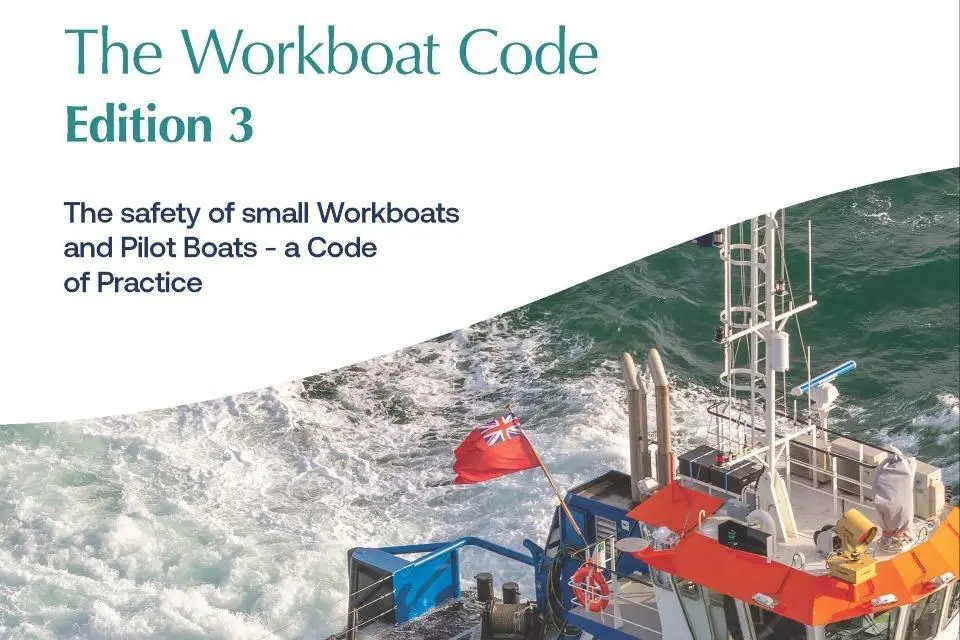
One such example is the requirement to make the engine rooms on vessels with two or more hulls water tight.
If this should prove too difficult, impractical or costly to do, this specific requirement can be ignored, says Forster.
However, for less material things, such as the new requirements for writing safety management systems and stability books, the cost has not been accurately assessed by the MCA, Forster believes.
This work would involve hiring consultants and surveyors, keeping a vessel in port for a day and then the written work, approvals, documentation processes and records, etc, says Forster.
The stickier rules include new regulations on furniture upholstery and whether the foam is fire resistant enough.
“How are many owners of older vessels going to be able to prove that?“ says Forster.
“On the whole I am very pleased because if we hadn’t done all that work that we did, we would have something that wasn’t useful at all. The Code is regulation now, so we need to keep our chins up, learn together, help each other, and go about putting the new code into implementation the best we can.”
Related Articles
 OTHER NEWS
 OTHER NEWS
 SPONSOREDSTORY