




ETA hits back at EU emissions rules
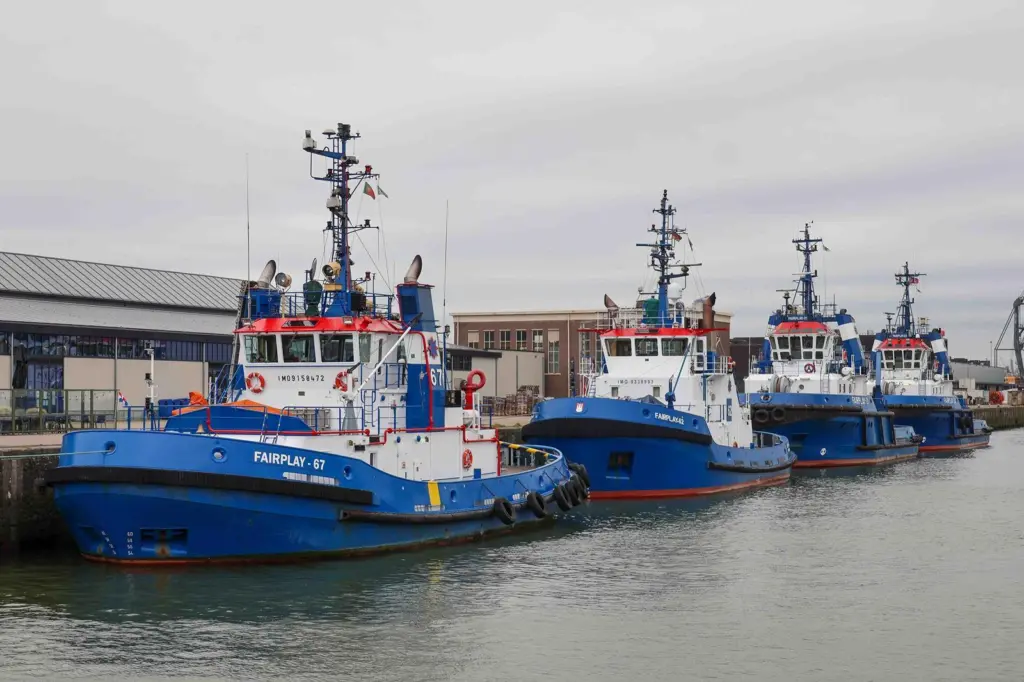
A huge administrative burden could be placed on tug owners if reporting rules by the EU are put in force, says the European Tugowners Association (ETA), complaining they do not account for the diversity of vessels in the industry.
The EU’s Monitoring, Reporting and Verification (MRV) regulation is due to go in force on January 1, 2025.
While supporting endeavours to reduce emissions, the ETA points out that the term “offshore ships” can result in various interpretations among stakeholders that could jeopardise the uniform application of the MRV regulations.
The ETA’s response details the various definitions of a tug and how interpretation of the rules would create an ’enormous administrative burden’ on vessel owners given the complex and diverse nature of such vessels.
Untangling the myriad different types of vessels involved in towing and offshore support can be a complicated exercise.
ETA explains in detail the complexity of defining different classes of vessels, along with their spheres of operation, indicating that the description ‘multipurpose’ may be an easy way out in some regards, but the devil in the detail can affect regulations to the detriment of the vessel owner.
Ambiguity in the regulations
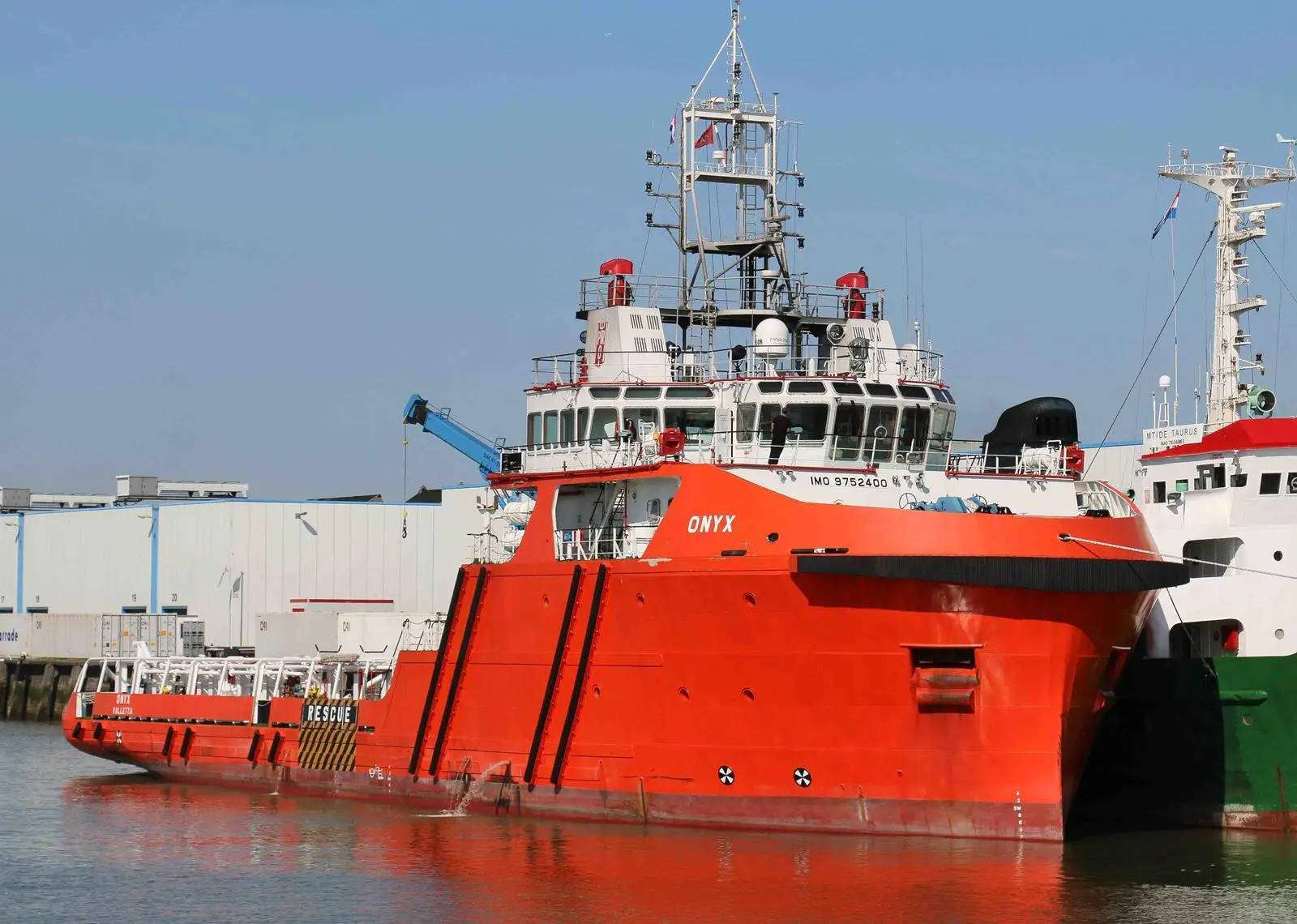
One specific vessel category on the EC list is ‘offshore tug/supply vessel’, but they are actually two completely different vessels: the latter carries out activities offshore; the former is a classification of a tug (not a vessel type), which may not carry out work offshore.
Certain tugs of a specific LOA, stability design criteria, bollard pull and other details, including deck equipment, are classed as fit for purpose as ‘offshore tug’ – yet the ETA says their deployment could also be ‘harbour tug’.
Shiphandling operations can be done under contract with the Port Authority and may involve tethered escort services, auxiliary support services for offshore and towing operations, along with firefighting and salvage operations.
The EC MRV regulations say the aim is to monitor emissions released during voyages from one port to another, but in essence most tugs operating in EU waters and ports do not perform such voyages. Instead, they “may operate with an official notation/classification as an Offshore Tug or event Anchor Handling Tug, as it is not restricted by the Requirements of the Specifications.”
This could be down to several reasons:
- · The operator could work where port infrastructure is offshore
- · The operator could buy a tug for port work but with an offshore notation it could be suited for the task without needing to actually go offshore
- · Geography might dictate the operator being located at a port where they do work suited for an offshore or anchor-handling tug
- · The vessel might need to be equipped for emergency response tasks for the Port Authority.
ETA says harbour towage does not lend itself to an emission report per trip, where commonly six to seven ‘voyages’ are completed with minimal fuel consumption.
Such interpretations of the regulation would create an enormous administrative burden, given the amount of such voyages per day, further complicated by tug operators often active in more than one port.
ETA also highlights the difference between tugs and conventional cargo/passenger ships, where any mechanism for measuring emissions does not depend on the choice of the tug master, but is in mandatory compliance with external orders, as the tug will always have to continue to obey the requests of the ship’s manoeuvring coordinators, be they the master, pilot or harbour master.
Summary
It is ETA’s unanimous view that tugs and anchor-handling tugs cannot be classified along with other vessel types listed in the MRV regulations, and that the vessels themselves are intrinsically port tugs and not ocean towing vessels trading international.
Finally, referring to when tugs are employed for salvage and anti-pollution operations, they effectively assist in ensuring the safety of life and property and protecting the environment.
“It is ironic to capture tugboats deployed for such incidental circumstances and subject them to a carbon emissions levy,” says ETA. “By the very nature of their application, certain tugs do assist in preserving the environment.”
To remove the ambiguity and concerns of misinterpretation or different interpretations of the regulations, ETA recommends replacing the reference to ‘Offshore Tug/ Supply Ship’ with ‘Offshore Supply Vessel’, since this will effectively capture vessels that carry out offshore work and supply offshore installations.
The full response by ETA can be read here: https://eurotugowners.com/wp-content/uploads/2024/09/ETA-Response-to-the-MRV-Consultation.pdf
Related Articles
 OTHER NEWS
 SPONSOREDSTORY
 INDUSTRY NEWS