


ISU working to revise wreck removal contracts
A high-powered group representing International Salvage Union (ISU) members are working with other parties to revise wreck removal contracts.
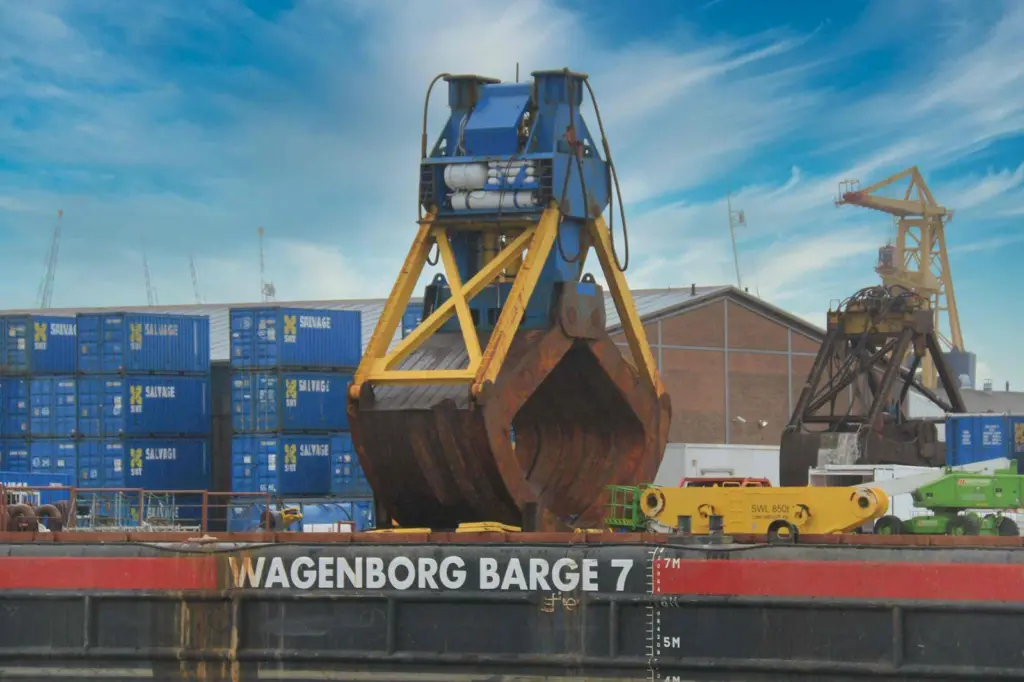
Wreck removal operations along with their contracts and the way tendering is conducted are described by the ISU as ‘some of the key issues for the salvage industry’ and the representative group is working with international shipping organisation’s representative body BIMCO and others to revise the ‘popular and well-regarded’ wreck removal contracts. At the same time ISU is working with the International Group of P&I Clubs to revise the tendering code of practice agreed in 1998 and not updated since.
Wreck removal contracts are used for traditional ‘wet’ wreck removals and occasionally other salvage work accounting for around 50% of ISU members’ annual gross revenue. Income from these is considered important maintaining the industry’s emergency response activities which, given the urgency of the situation and uncertainty of success can be risky from a business impact angle.
The ISU’s high-profile line-up points to the project’s importance, its president Smit International’s Richard Janssen chairing the BIMCO group considering wreck contracts, supported by vice president Nick Sloane and executive committee members Leendert Muller and John Witte, both past ISU presidents. The International Group of P&I Clubs are central to the process and Tony Goldsmith of Hill Dickerson and Andrew Chamberlain of HFW jointly provide independent legal advice to the review committee.
ISU considers transparent tender processes and contractor selection, the use of Quantitative Risk Assessment and fair apportionment of risk are key matters and speaking about the discussions, Richard Janssen said: ‘I am sure that the spirit of cooperation will prevail as insurers and salvors both serve the shipowner and must work in their interests.’
Customer client relationship is all important in the salvage and wreck removal business with Mr Janssen laying out the salvors situation: “Assessing the exposure from different angles to then jointly develop the optimum solution sounds like a logical way forward but is not often recognised as such. As several cases have already demonstrated, price is not everything. Contractors with a proven track record of well-managed, successful operations provide more certainty and when performance is under government and media scrutiny an efficient, clean and safe job is essential. Transparency and realistic pricing are also essential to ensure a range of contractors are able to compete fairly for work internationally and in all territories.”
At the recent virtual Salvage and Wreck Conference, Standard Club’s Sam Kendall-Marsden agreed that price isn’t everything stating: ‘Salvors ought to be renumerated appropriately to support a viable, healthy salvage industry for the benefit of the broader shipping industry.’ Commenting further from the shipping industry’s angle he stated: ‘It is also worth noting that recent years have seen an increase in the cost of wreck removal which has had an impact on P&I Clubs’ finances. The shipping industry is looking at ways to make the process more cost effective’ adding that he hoped ‘the spirit of cooperation would prevail.’
At the same conference, ISU secretary general Roger Evans said that Quantitative Risk Assessment should not be used to effect risk transfer and not be the default position at the start of contractual discussions. Resolve Marine’s Nick Sloane, salvage master with the Costa Concordia wreck removal emphasised the need for ‘fairness’ and the importance of would-be contractors getting the ‘feel’ of an operation they would base their risk assessment on.
ISU and the International Group are working to revise the wreck removal contract tendering code which as mentioned has not been updated since 1998. Environmental concerns have increased in importance as authorities’ requirements become more demanding including a very different context being created for wreck removal tendering due to increasing size of vessels. ISU expresses concern that confidentiality, fairness and transparency of the process should be central to the way the contractor is selected remembering that the cost of tendering can run into six figures.
Salvors and ship owners need each other and need to work together. Salvors can diversify into other related work if returns make survival difficult but the grounding of the container ship Ever Given in the Suez Canal and subsequent response by Smit demonstrates how the professional salvage industry would be sorely missed if not around with resultant financial impacts for the shipping industry.
By Peter Barker
Related Articles
 TUGS & SALVAGE
 EQUIPMENT
 MARINE CONSTRUCTION