



Construction starts at new Albanian seaport
The next phase of development and construction at Albania’s Port Romano Port has begun, which will transform it into the country’s largest seaport.
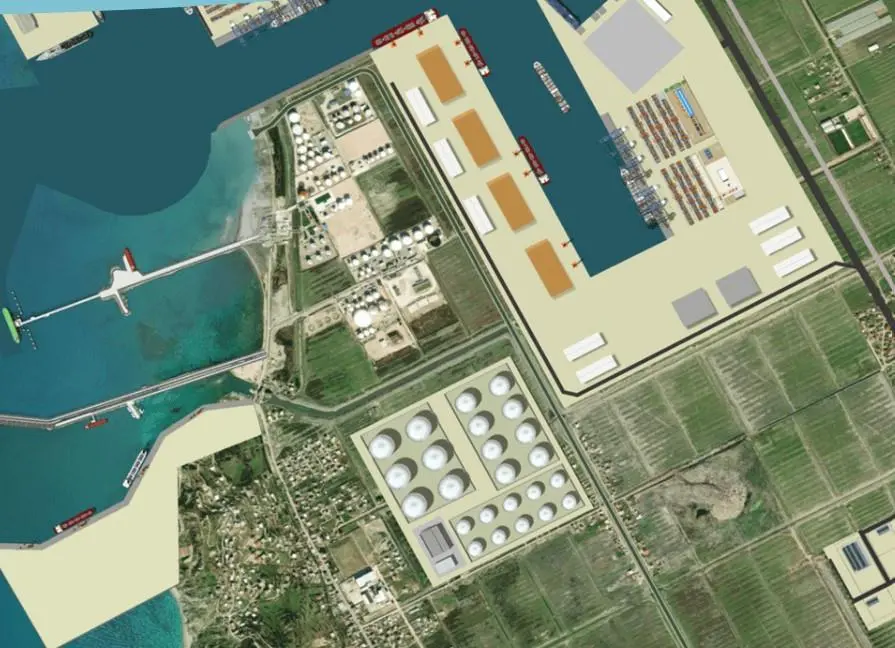
Dutch contractor Royal Haskoning DHV is working with Abkons, based in the Albanian capital of Tirana, on the port project, which when completed will replace the Durrës Port as the biggest port in the country, serving Albania, Kosovo and North Macedonia in what is hoped will boost trade and regional economic growth.
The existing port of Durrës will become a leisure hub to encourage tourism.
A new container terminal will operate with mobile harbour cranes, and once the port is more active, it will transition to a ship-to-shore and rubber-tyred gantry crane operation that will not need any more infrastructure to be built, says Royal Haskoning.
“We assisted with an ambitious plan to develop new port facilities at Porto Romano, Albania,” says Royal Haskoning. “This expansion initiative will shift cargo handling from the nearby Port of Durrës, which will be revitalised into a vibrant waterfront leisure hub and a luxury destination for travellers to the Mediterranean.”
Among the challenges are the condition of the soil in the area, along with high seismic activity in the country, which meant extensive feasibility and technical studies had to be carried out.
“I was delighted to see the plans brought forward for the new port at Porto Romano,” said Albanian prime minister Edi Rama. ”This is a fantastic opportunity to set a new standard in planning and connectivity. The scheme allows the entire region to benefit from the increased trade, opportunities and environmental improvements.”
“The development of Porto Romano is at the forefront of integrating best international practices in environmental and social standards with cutting-edge engineering solutions and future-ready technology,” said Eric Smit, Maritime Business Development director at Royal Haskoning.
“This project not only advances transport and social connectivity within the Western Balkans but also strengthens the region’s ties with the European Union, setting a new standard for sustainable and innovative infrastructure development.”
Related Articles
 OTHER NEWS
 MARINE CONSTRUCTION
 MARINE CONSTRUCTION