![MaritimeJournal[Seawork]](https://www.maritimejournal.com/wp-content/uploads/2026/09/MaritimeJournalSeawork.svg)



Denmark sets itself at forefront of CCS
Denmark is positioning itself at the forefront of CO2 capture and storage (CCS), with applications invited for licences to explore coastal areas for the purpose.
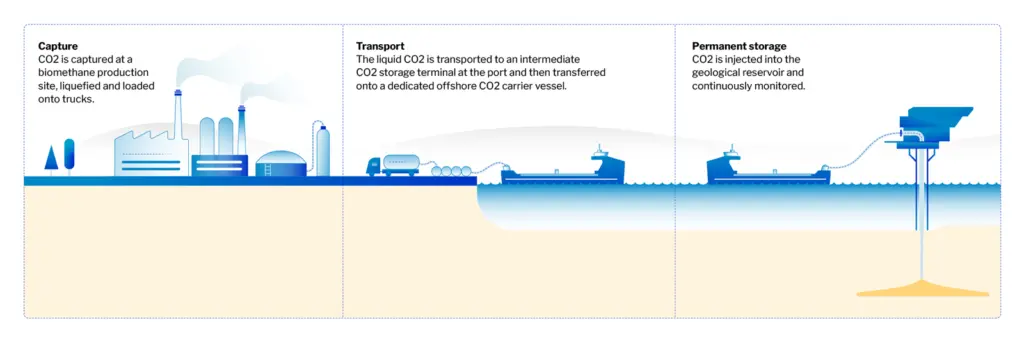
It is the fourth licensing round for the geological storage of carbon dioxide opened by the Danish Energy Agency, which will award licences on condition the applicant has the necessary knowhow and will work in partnership with the government agency Nordsøfonden, which will have a share of 20%.
Rights to exploration will last for six years, and if proposed work is completed ‘satisfactorily’, the licensee will be able to extend the licence and carry out the storage operations for a further 30 years. Onshore tenders are also being offered.
Of three licences granted for offshore CCS, two are owned by TotalEnergies and are still in the investigation and exploration stages, ‘in different phases of maturity’, said Henrik Sulsbrück, Head of Division, CCS with the Danish Energy Agency.
“The other project, Project Greensand, is slightly different,” he said.
Project Greensand
Developing Project Greensand is INEOS, the global chemical giant headed up by the British billionaire Jim Ratcliffe, who part owns Premier League football club Manchester United, in partnership with Harbour Energy and Nordsøfonden.
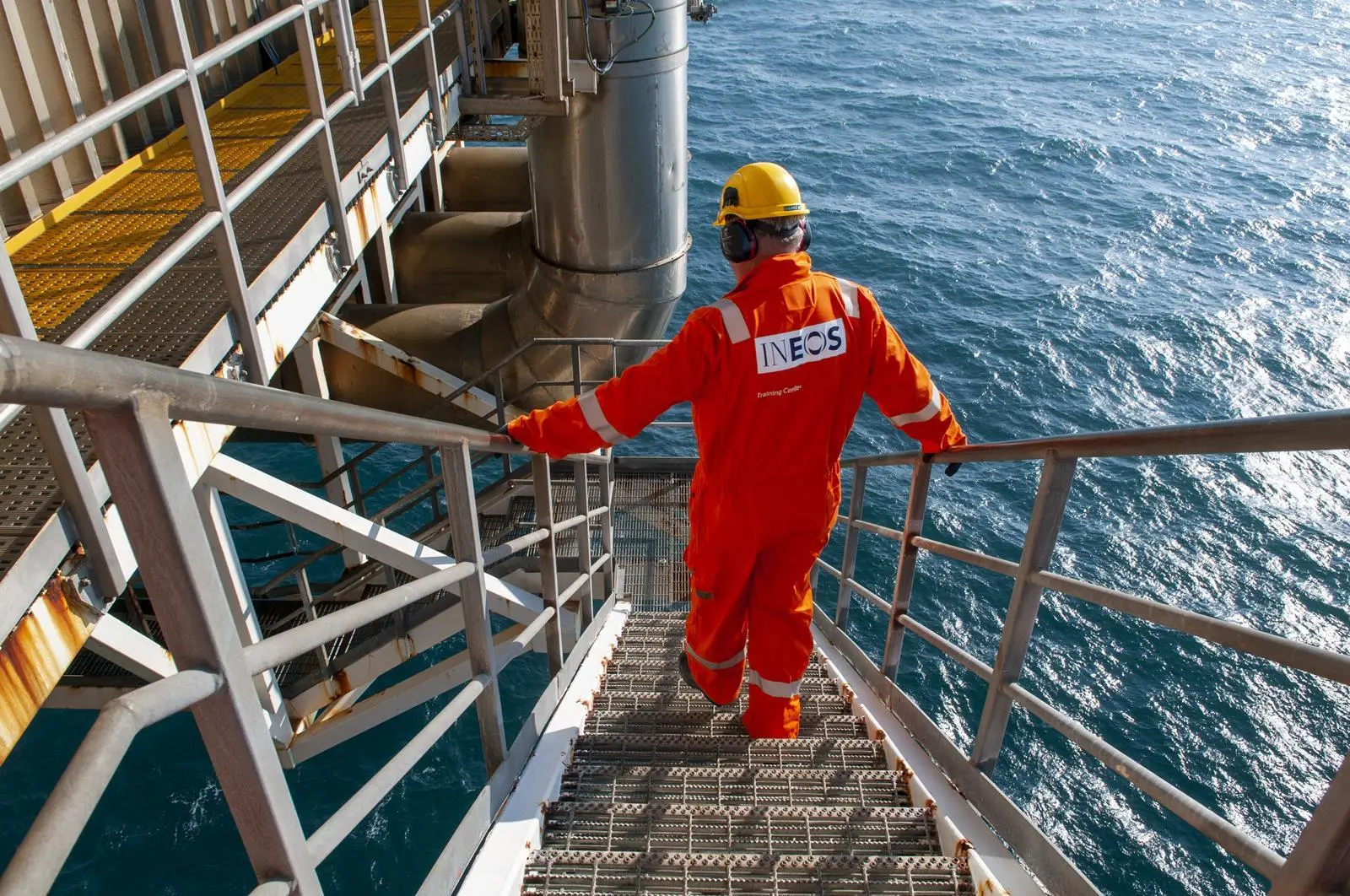
“This is a former oil and gas field, so they have a lot of knowledge,” said Sulsbrück. “They have applied for a storage licence for the first phase, which would store CO2 a few thousand metres below the seabed in a reservoir that has slightly green-coloured sand.”
With CCS, most of it is done to carry out Enhanced Oil Recovery (EOR) operations, according to Greensand, which cites the Global Status of CCS 2024 report as tracking 628 CCS projects around the world – only 16 of which are for dedicated storage and not for EOR.
Seven non-EOR projects, it says, are in construction in the EU, and scheduled to be operational later in 2026, which makes the Greensand storage site the first dedicated site in the EU with operations beginning at the end of this year.
CCS potential for Denmark
“CO2 capture and storage is part of Denmark’s green transition,” said Sulsbrück. “Denmark has an ambition to be a European hub for it, but as yet there is no direct governmental financial support for it – there is no business case for it yet.
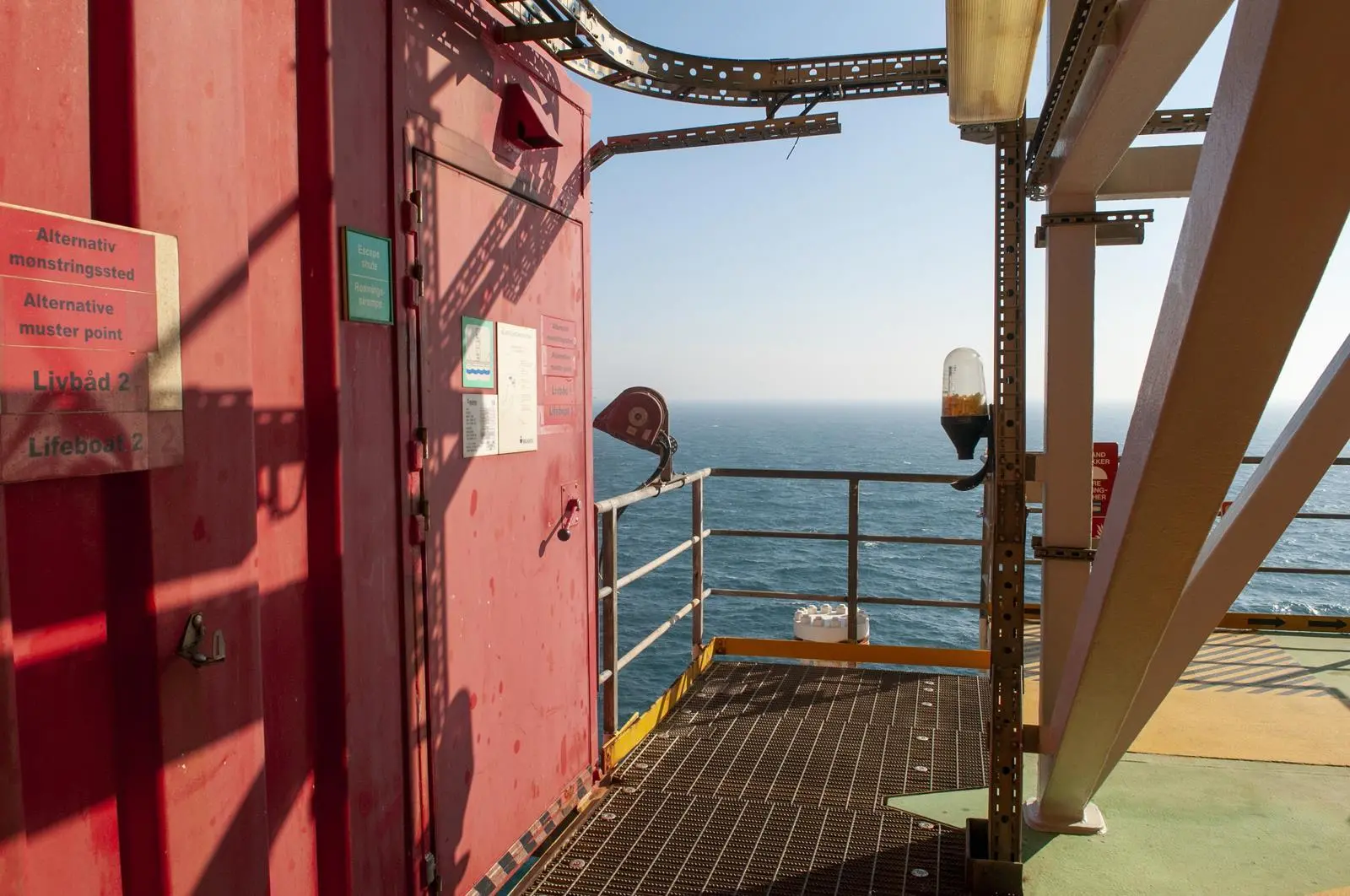
“At the moment, Denmark is funding or has tenders for CCS in Denmark to get emissions down, but it’s up to the market to ask where to store it. If you are an emitter you have to hook up with someone who can transport and store it. Currently there are few storage options, ie Greensand, or Northern Lights in Norway (which is ready but not yet storing any CO2).”
More options are needed, and this is why the offshore licences, as well as three onshore licences, have been issued.
“CCS will be important for some industry,” said Sulsbrück. “Some places we can electrify, so it won’t be needed, but some places, like thermal power plants and cement factories, you cannot operate without emitting CO2, so that’s where the need will be.”
Potential ‘from a Danish perspective’
Danish economics consultancy the Kraka Advisory rates Denmark as second only to Norway in terms of CO2 storage capacity in Europe, with enough for more than 900 years, including onshore.
Because emissions will drop in Denmark so that storage will become less necessary for Danish firms, it means the facilities could be used by countries where they have little space to store it themselves, such as in Finland or Estonia, it says.
“Primarily, a new CCS sector will emerge, which will require jobs involving the capture, transport and storage of CO2,” the Kraka Advisory says. “It will generate employment in sectors involving the assembly and maintenance of capture plants and laying pipelines, or create jobs for dockers and crew members on ships transporting CO2.
“Lastly, storage will involve many of the same workplaces on platforms, as seen in the oil industry. Other sectors will also be affected, such as those supplying materials for the CCS industry and helping assemble the relevant installations. For example, the construction of pipelines will require building materials, which means that building material suppliers will also take on more staff.”
Related Articles
 INDUSTRY NEWS
 MARINE CIVILS
 MARINE CIVILS