![MaritimeJournal[Seawork]](https://www.maritimejournal.com/wp-content/uploads/2026/09/MaritimeJournalSeawork.svg)


Criminalising sea rescue
The global maritime human rights charity, Human Rights at Sea, has recently published new independent guidance for volunteer maritime rescuers for their awareness of the potential risks of criminalisation when planning for and facilitating rescues at sea.
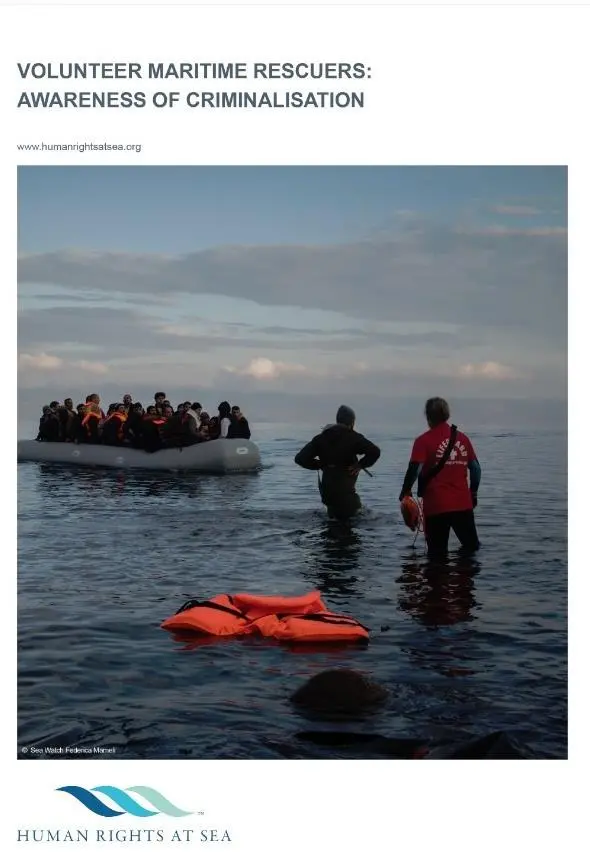
The free guidance is as equally applicable to NGOs and civil society organisations, as it is to private shipmasters.
The objective of the Human Rights at Sea briefing document is to examine the current EU legislation about which volunteer maritime rescuers have expressed concerns and reservations in terms of appearing to criminalise their humanitarian work, before reviewing the duties that apply to all Masters of vessels. It also highlights the international obligations that require states to support search and rescue (SAR) operations within their maritime areas of responsibility, or otherwise to render assistance from vessels flying their flag as obligated by international law.
The new publication comes against the backdrop of the European Union Agenda on Migration. It reflects work undertaken by the EU Committee on Civil Liberties, Justice and Home Affairs including developing safe and legal routes for asylum seekers and refugees into the EU. It additionally reflects concerns recently raised by the European Community Shipowners’ Associations that “private shipmasters and NGOs who genuinely assist persons in distress at sea should not risk punishment for providing search and rescue assistance”.
Reviewed and endorsed by the International Maritime Rescue Federation, IMRF has consultative status at the IMO and is the only organisation at the IMO solely focused on improving maritime search and rescue. The IMRF works closely with IMO member States and the Secretariat to complete the Global SAR Plan, the essential network of facilities for maritime SAR coordination across the world to provide a consistency of communication and response.
David Hammond, CEO, Human Rights at Sea, commented: “We are once again delighted to be able to deliver to the international community a new and independent review of a key issue facing volunteer maritime rescuers undertaking very difficult humanitarian roles at sea, and in the littoral regions of the Mediterranean. Potential criminalisation of individuals for acting to save life is a topic that has been urgently raised with the charity; so we have responded quickly and accordingly. My sincere thanks to IMRF for their peer review, their support in finalising the work and assisting us with the wide dissemination of this publication.”
By Jake Frith

Related Articles
 ACCESSORIES & EQUIPMENT
 OTHER NEWS
 ACCESSORIES & EQUIPMENT