![MaritimeJournal[Seawork]](https://www.maritimejournal.com/wp-content/uploads/2026/09/MaritimeJournalSeawork.svg)





Grangemouth dredging
In order to accommodate larger vessels the Scottish Port of Grangemouth has commissioned a feasibility study to assess the viability and cost of deepening the shipping channels within the port.
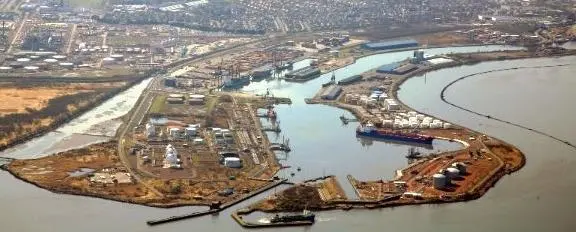
Located on the Firth of Forth, Grangemouth is Scotland’s premier container port and the study for the deepening of the entrance channel is has been commissioned in response to changes in the container shipping market where there is a trend towards larger capacity feeder vessels which require deeper water to access the port’s quaysides.
“Some vessel sizes have increased significantly over the past 10 years from around 300-500 TEU per ship to modern feeder container ships that have a 1,700 TEU capacity. The bulk cargo ships that use the port have also increased in size and require a deeper draft,” said a spokesperson for the port. This deepening project, which would see the dock water depth taken from 7.5 metres to over 10 metres, is expected to entail a multimillion pound capital investment and would take around three years to complete.
Grangemouth has experienced increased siltation in its entrance channels in recent years that has required maintenance dredging. In order to minimise the dredging requirements, the port commissioned the consultancy company APBmer to undertake a study of the historical siltation and dredging work. The result of this study was to find solutions that would minimise the dredging costs.
In addition to these projects Grangemouth, which is owned by Forth Ports Ltd, is undertaking a project to increase the terminal’s capacity for storing containers. This involves significant surface upgrading works on an area of some 6,325 square metres. The investment is designed to increase the busy container terminal’s total capacity to 12,000 TEUs, a 50% increase since 2005 which is claimed, will deliver operational efficiencies to its landside and shipside operations.
The resurfacing at the terminal will see the construction of a heavy duty concrete pavement and other works which will create additional storage lanes for laden containers in addition to improved equipment access to landside and shipside operations. This work is expected to be completed and ready for business in October 2015 and represents the second phase of a five year investment plan to improve the storage capabilities of the terminal. It is expected that the capacity will grow by a further 10% over the 5 year period in line with market demand.
Grangemouth currently handles over 9 million tonnes of cargo per year with much of it being generated by the nearby Grangemouth refinery. Considerable quantities of dry bulk cargo and timber are also handled at the port.
By Dag Pike