![MaritimeJournal[Seawork]](https://www.maritimejournal.com/wp-content/uploads/2026/09/MaritimeJournalSeawork.svg)


3 million m³ sand replenishment to raise 261 hectares of tidal flats
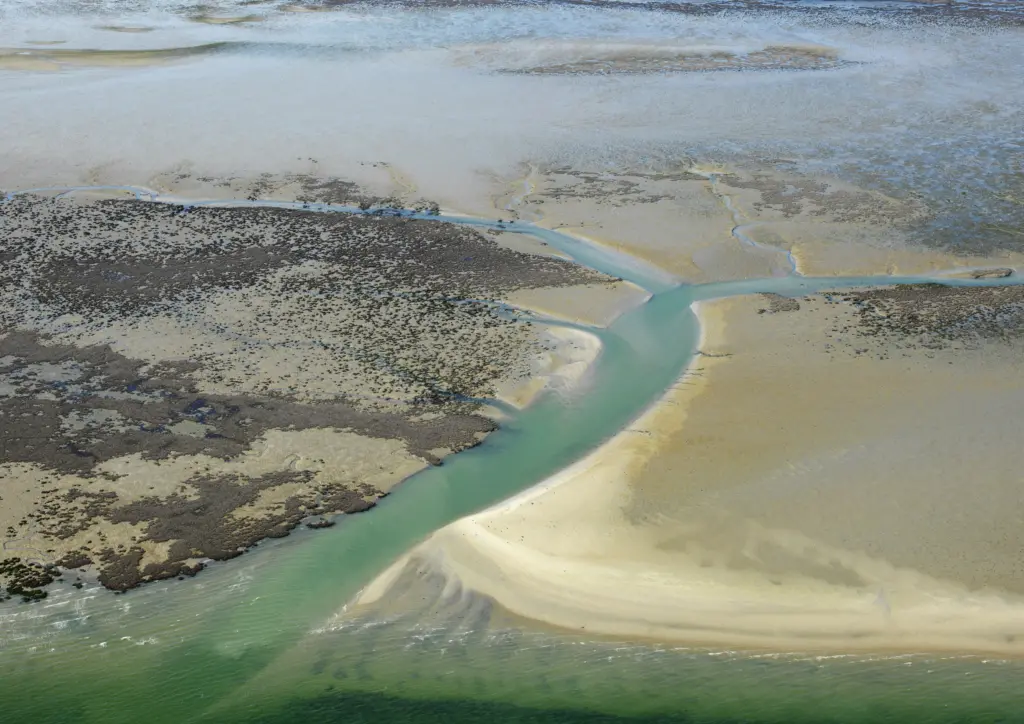
Three million cubic metres of sand will be placed across 261 hectares of tidal flats in the Eastern Scheldt, the Netherlands, in a major replenishment project designed to counter erosion and preserve valuable intertidal habitat for at least 25 years.
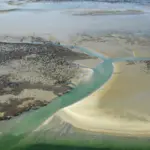
The works will cover parts of the Galgeplaat and Slikken van den Dortsman, two of the largest tidal flats and mudflats in the Oosterschelde. Together, they span more than 2,100 hectares. The replenishment is scheduled to run from October 2026 to March 2027, raising selected areas so they remain exposed for longer during the tidal cycle.
Marine civil engineering contractor Boskalis will carry out the works, using sand dredged from a shipping channel in the Eastern Scheldt. The approach combines navigation channel maintenance with habitat restoration, giving dredged material a second purpose while supporting the long-term preservation of the tidal flats.
The intervention addresses ‘sand hunger’, where sediment moves from shallow tidal flats into deeper parts of the estuary without being replaced. Since construction of the Oosterscheldekering storm-surge barrier, Oesterdam and Philipsdam, the flats have progressively diminished.
“The flats and mudflats in the Eastern Scheldt are under pressure due to so-called sand hunger,” says the Dutch water board, or Rijkswaterstaat. “Since the construction of the Oosterscheldekering, the Oesterdam and the Philipsdam, the plates have become smaller and smaller. Sand disappears to the deeper parts of the Eastern Scheldt, while insufficient new sand is supplied to the plates.
“Without measures, important resting and foraging areas for birds and seals will gradually disappear under water. With the sand replenishment, parts of the Galgeplaat and the Slikken van den Dortsman can dry up for longer.”

The engineering design will draw on lessons from an earlier sand replenishment at Roggenplaat, also in the Eastern Scheldt. Evaluation of that project provided practical experience in distributing sand using machinery and applying measures to accelerate the recovery of seabed life.
Those findings will inform the new works, helping guide sediment placement and the recovery of the affected areas. The aim is to maintain the tidal flats’ ecological function while addressing the underlying imbalance in sediment supply.
The project is being delivered by Rijkswaterstaat, the Netherlands Enterprise Agency, the Province of Zeeland and nature conservation organisation Natuurmonumenten. It forms part of the Programmatic Approach to Large Waters, a national initiative to develop resilient ecosystems across the Netherlands’ major waters.
Related Articles
 FEATURES & VIDEOS
 ENVIRONMENT
 OTHER NEWS