![MaritimeJournal[Seawork]](https://www.maritimejournal.com/wp-content/uploads/2026/09/MaritimeJournalSeawork.svg)

H2/battery-powered CTV project wins handout
A project to develop hydrogen and batteries to power offshore wind farm service vessels such as CTVs has been given a £4.6 million (€5.2 million) boost.
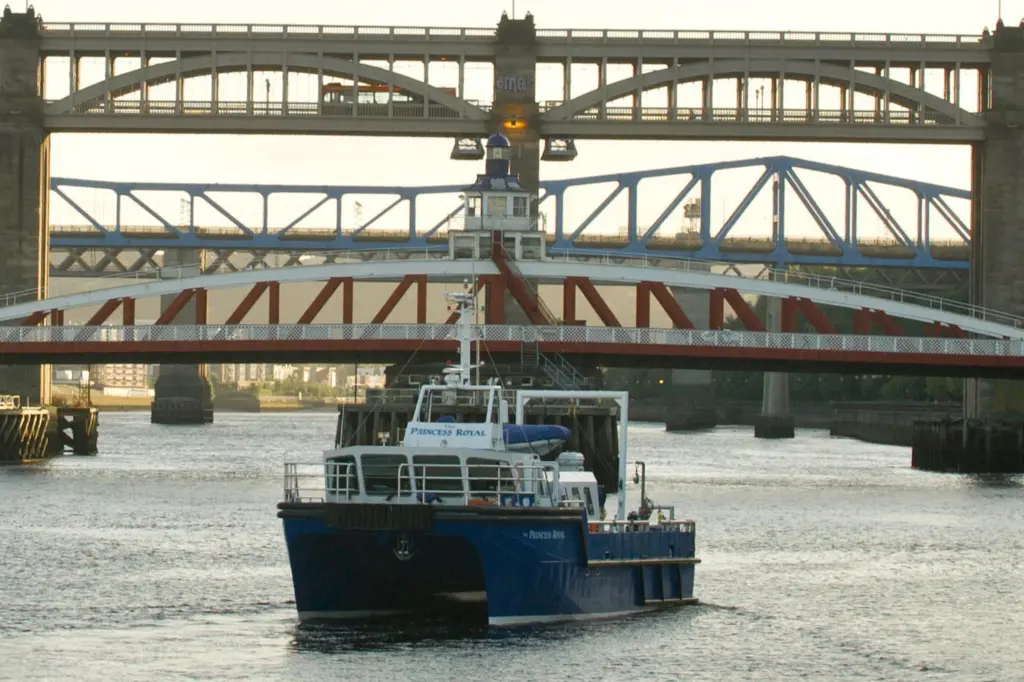
The money has come from the UK Department of Transport’s latest round of handouts to the maritime industry through its Shipping Office, which recently revealed 19 projects, including this one, that would receive funding under its Clean Maritime Demonstration Round 3.
RESTORE is a UK government-funded consortium that seeks to replace traditional fuels with green hydrogen and batteries. It will begin its research with a CTV catamaran, Princess Royal, in northern England, which transports technicians to EDF’s offshore wind farm.
The consortium comprises universities and energy firms that will work together to test and deploy scalable and cost-effective propulsion and power systems that can be retrofitted to existing vessels, a statement said.
“The scope of the study will include the design of offboard infrastructure to make green hydrogen for the vessel (using renewable resources to power a 50kW electrolyser), the use of both onboard hydrogen and battery storage as alternative propulsion methods, the design of a hybrid hydrogen internal combustion engine for the CTV, and the testing of a combined solution which uses both battery power and the Princess Royal’s existing diesel engines together,” the statement says.
Energy storage firm AceOn Energy will lead the RESTORE research, putting its 30 years of experience into the hydrogen/battery power units for CTVs, as well as power management of the onshore electrolysers that will be needed to make green hydrogen.
“We have some of the brightest minds and the most innovative companies in the UK working on the delivery of this project which will create exciting new solutions to the problem of how to decarbonise the maritime sector,” said AceOn Energy managing director Mark Thompson. “With hydrogen and battery technology together, we can extend the range of the vessel, which is something we haven’t seen demonstrated before because emission reducing technologies for the marine industry are very often limited to onshore/in port solutions.
“As well as reducing those maritime emissions, this project can also help close the loop in the offshore wind industry by zeroing the emissions which were previously created by servicing the turbines. It might seem like a small win, but as we move to an electrified future and more offshore wind plants, it will have a big impact.”
Related Articles
 FEATURES & VIDEOS
 ENVIRONMENT
 OTHER NEWS