![MaritimeJournal[Seawork]](https://www.maritimejournal.com/wp-content/uploads/2026/09/MaritimeJournalSeawork.svg)





Flagship floating wind site snapped up for £1
A project hailed as the UK’s flagship floating wind project has been bought for £1 (€1.17).
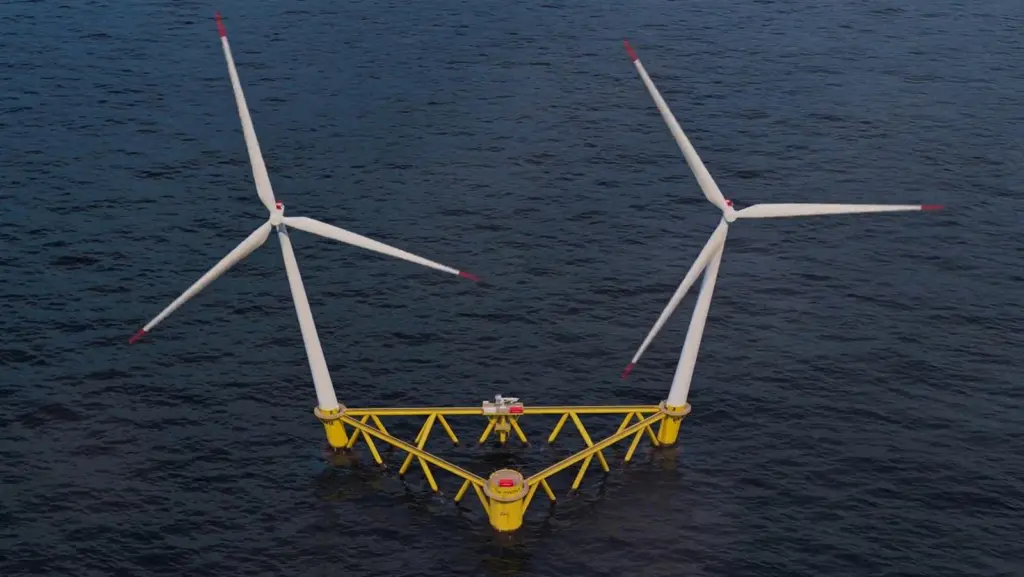
The 32MW floating TwinHub wind project, being developed by Swedish firm Hexicon, was to be the first floating offshore wind project in the Celtic Sea. It was going to be developed off the southwest coast of England, but ‘a combination of significant increases in inflationary pressures and supply chain costs’ forced the company to back out, according to the EU NASDAQ.
Media reports have said Singaporean marine engineering contractor Seatrium has snapped up the site, but at the time of publishing, the company had not confirmed this to Maritime Journal.
“Under the agreement, Hexicon has divested its entire 100% stake in the Project, including associated assets and liabilities, for a total consideration of GBP 1,” says the NASDAQ statement.
Originally earmarked as a wave energy project by Wave Hub, the site was bought by Hexicon in 2021 and had been permitted for wave power.
Hexicon ‘progressed significant work to re-permit and adapt the site for a floating offshore wind farm’, but in 2025 ‘recognised an impairment on the Project’.
“Since early 2024, Hexicon has been focused on divesting the Project to a strategic partner seeking to enter the floating offshore wind sector,” said CEO Marcus Thor when the sale was announced. “We are pleased to have identified a new strategic player, which will enable the site to progress and contribute to the global commercialisation of floating offshore wind.”
Swedish government rejects Swedish projects
In July, Hexicon said the Swedish government had rejected its application for a floating wind project on Sweden’s west coast.
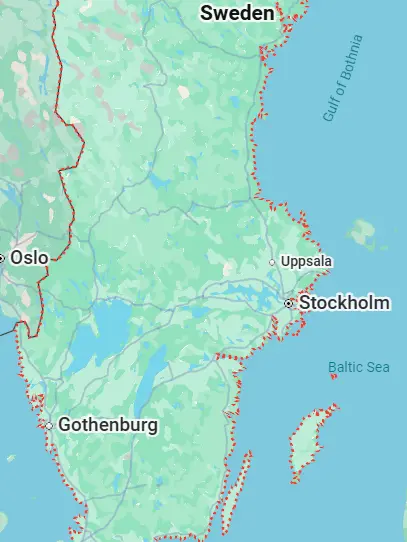
The decision to reject Mareld, off the coast of Västra Götaland, ‘is final and cannot be appealed’, said Hexicon.
“This is a regrettable decision and disappointing news for the entire Swedish offshore wind industry,” said Thor. “Mareld had the potential to deliver substantial volumes of renewable electricity to a region where the need for new electricity generation is significant.
“While the decision concerns Mareld, its implications extend beyond a single project. Sweden needs to create the conditions for a major expansion of new electricity generation, and offshore wind has the potential to play an important role in that development.
“Today’s decision creates significant uncertainty for the entire industry and for the ability to deliver future large-scale investments in renewable energy.”
In 2024, a Cirrus project, also in Sweden, was paused following the government’s decision to reject all 13 applications that had been made to develop offshore wind farms in the Baltic Sea.
Another Hexicon project in the UK, the Pentland floating wind project in Scotland, is still going ahead, according to the Hexicon press office.
Having failed to secure a Contract for Difference in the government’s sixth allocation round in 2024, in May this year it announced a successful bid in the seventh round. The development will be led by Copenhagen Offshore Partners with funds managed by Copenhagen Infrastructure Partners and others.
Neither Hexicon nor Seatrium had responded to Maritime Journal at the time of writing.
Related Articles
 FEATURES & VIDEOS
 ENVIRONMENT
 OTHER NEWS