![MaritimeJournal[Seawork]](https://www.maritimejournal.com/wp-content/uploads/2026/09/MaritimeJournalSeawork.svg)






Germany puts €70m behind green inland shipping corridors
Germany is making up to €70 million available to develop ‘green’ inland-shipping corridors as part of a new government programme designed to accelerate the use of vessels using alternative fuels on the country’s waterways.
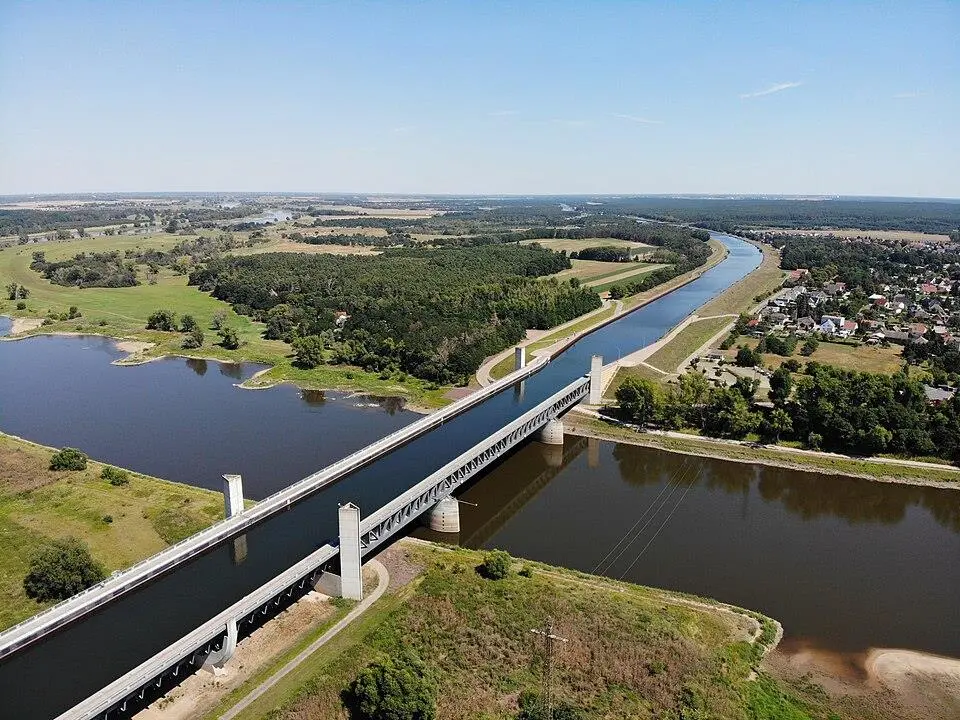
The Federal Ministry for Transport (BMV) announced the first funding call on 10 August, saying the money would support projects that enable emissions-free or low-emission inland vessels and build the infrastructure they need.
The funding can be used for port infrastructure, including charging and refuelling facilities for alternative fuels such as hydrogen, ammonia and methanol. Projects can also include the production and storage of renewable electricity and renewable hydrogen, as well as charging and refuelling facilities outside ports. Funding is available for converting existing cargo vessels and equipping new vessels with cleaner propulsion systems.
The €70 million call is part of a larger €125 million programme for inland shipping.
The broader scheme is intended not only to introduce cleaner propulsion and energy systems but also to encourage more freight and passenger transport onto Germany’s waterways. The government says this will contribute to national climate targets, European requirements for alternative-fuel infrastructure and the long-term competitiveness of German inland shipping.
“Inland waterway transport is an efficient and climate-friendly mode of transport with great potential for the future,” said Federal Minister of Transport Steffen Bilger. “With our new funding, we are creating the conditions for emission-free drives and the necessary charging and refuelling infrastructure to be put into practice more quickly.
“We are making targeted investments in modern ships and efficient ports, strengthening Germany as a business location and further advancing climate-friendly freight transport on our waterways.
The programme comes as the German government continues to promote inland waterways as an alternative to road freight. A separate BMV study published in July examines future markets for German freight inland shipping through 2040.
Related Articles
 FEATURES & VIDEOS
 ENVIRONMENT
 OTHER NEWS