![MaritimeJournal[Seawork]](https://www.maritimejournal.com/wp-content/uploads/2026/09/MaritimeJournalSeawork.svg)






Marine invasion: Maritime urged to stem the tide
Invasive non-native species (INNS) are arriving, settling and spreading through everyday marine activity, with marinas and commercial shipping playing a central role in the growth.
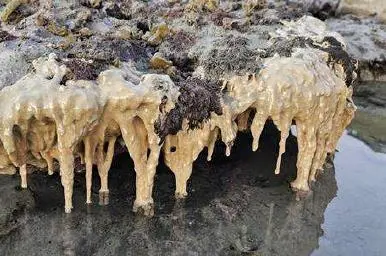
It is a growing global problem, and one that the APEM Group, a global environmental consultancy, has brought under the spotlight in a paper that lays out the actions ports, marinas and vessel operators should be taking to minimise the issue.
The Stour and Orwell Estuaries Marine Biosecurity Plan condemns invasive species as ‘one of the top five drivers of global biodiversity loss’, capable of out-competing native wildlife, altering habitats and fouling marine infrastructure.
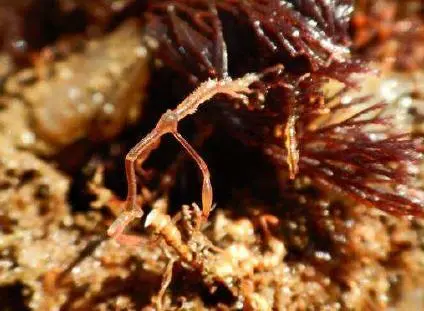
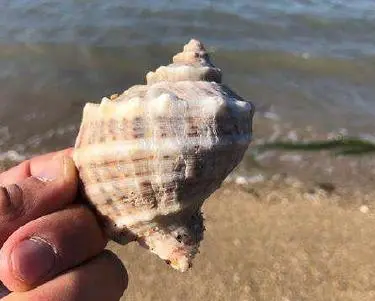
Among the species highlighted in the document are the red ripple bryozoan, trumpet tubeworm, Japanese skeleton shrimp, and two worrying ‘horizon species’ – the carpet sea squirt and the veined rapa whelk.
Some have already arrived in the estuaries, while others are feared to be on their way.
The species spread by ‘hitchhiking’, clinging to hulls, ropes, pontoons and submerged structures, or travelling in ballast water and equipment.
The result can be ecological disruption on a wide scale, outcompeting native species for food and space, disrupting ecosystems and altering habitats and clogging or fouling infrastructure, pipes, equipment and navigational aids.
Marinas make the problem worse

Marinas and mooring sites are particularly vulnerable because they unintentionally provide the perfect environment for invasive species to settle.
Floating pontoons, chains and ropes act as permanent surfaces where marine organisms can attach and grow. Boats arriving from different areas bring with them additional fouling organisms, turning marinas into exchange hubs for invasive life.
The plan stresses the importance of infrastructure management, urging operators to inspect infrastructure regularly for biofouling, and warning that equipment moved between sites should be cleaned and dried to prevent transfer.
The problem is magnified by mobility: recreational and visiting vessels can arrive from elsewhere in the UK or overseas, potentially carrying species not yet present locally. Without proper cleaning facilities or consistent practices, these organisms may establish new populations.
A lot of the organisms are capable of bypassing natural barriers and surviving long-distance travel and conditions, making them especially difficult to manage once introduced.
The document makes clear that marinas can unintentionally amplify risk when vessels, ropes and mooring equipment remain in the water for long periods or are moved without biosecurity controls.
The consequences are both environmental and economic. Biofouling can increase drag and fuel use – the document cites estimates of up to a 40% rise – while ports face higher maintenance costs and the risk of non-compliance with environmental legislation.
Prevention better than cure
One of the strongest messages in the document is that prevention is far easier than removal.
For marinas, improvement begins with practical management.
The plan calls for operators to remove unused equipment from the water, provide washdown and waste-capture facilities, and include biosecurity clauses in user agreements.
Staff training is also central, with recommendations to appoint a ‘biosecurity champion’ and ensure workers know how to identify and report invasive species.
Encouraging a ‘clean boat culture’ is another step. Operators are encouraged to promote vessel checks and cleaning on arrival and departure, helping reduce the transfer of organisms between sites.
For commercial shipping, the solutions focus on maintenance and compliance.
Vessel operators are urged to maintain antifouling systems, inspect hulls regularly, follow ballast water regulations and keep detailed logs of cleaning and inspections.
The plan also highlights international guidance, including ship-specific biofouling management plans and the use of waste-capture cleaning systems where possible.
Port authorities, meanwhile, are encouraged to remove derelict structures, maintain infrastructure and ensure that staff receive training so that biosecurity becomes part of everyday operations.
Shared responsibility
No single group can solve the problem alone.
“All users of the marine environment have responsibility to undertake biosecurity actions,” it says.
Marinas and commercial vessels may unintentionally worsen the invasive species problem, but they are also central to the solution. Through simple but consistent actions – cleaning equipment, maintaining hulls, capturing waste, and improving awareness – the spread of marine invaders can be slowed.
In estuaries where ecology and industry coexist side by side, biosecurity is no longer a niche concern. It is becoming a defining test of how working waterways can protect the environments they depend on.
Related Articles
 FEATURES & VIDEOS
 ENVIRONMENT
 OTHER NEWS