![MaritimeJournal[Seawork]](https://www.maritimejournal.com/wp-content/uploads/2026/09/MaritimeJournalSeawork.svg)






Offshore wind and impact on seabed: study
A study by scientists predicts that thousands of wind turbines being installed along the North American Atlantic continental shelf will cause ‘the largest regional change in marine substrates since the retreat of the Laurentide Ice Sheet over 14,000 years ago’.
The study, Anticipating the winds of change: A baseline assessment of Northeastern US continental shelf surficial substrates, by scientists Kevin Stokesbury, N. David Bethoney, Felipe Restrepo and Breadley P. Harris at the University of Massachusetts – School for Marine Science and Technology (SMAST) and published by the Wiley Online Library for the US Department of the Interior, compares the likely impact of wind turbines with oil and gas platforms.
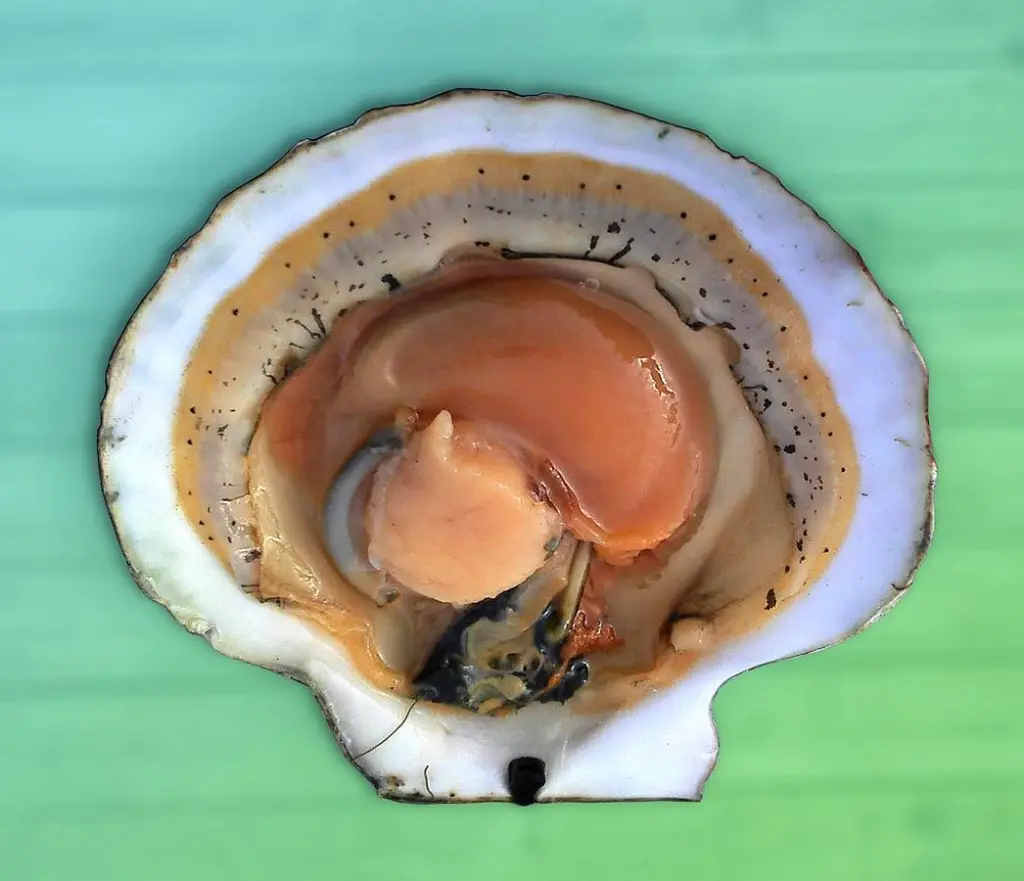
It used drop cameras to sample substrate for presence or absence of mud, gravel, sand, cobble, rock and shell debris, and picking the Atlantic sea scallop as ‘an ideal sentinel species to track ocean health’ in the Mid-Atlantic, concluded they were thriving, according to shell debris, as long as the substrate was made up of these constituents.
It found that the hard substrates that make up offshore wind turbines are not the ideal habitat for species like the sea scallop.
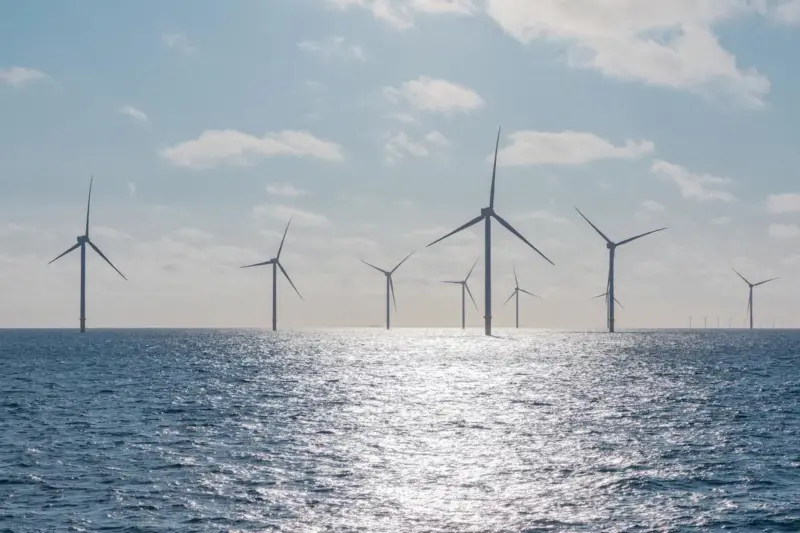
“All these species have evolved in the open environment, and the productivity of these areas is only beginning to be recognised,” it says. “The development of the offshore wind industry will place several thousand turbines on the continental shelf connected by a network of high-capacity electronic cables. Each turbine will have about 2,100m2 of scour protection around the base of the monopole.
“Connecting these turbines to one another and the shore will be done with cables that will either be buried in the sediment or covered with scouring protection in the form of rocks or concrete pieces. This may significantly change the substrate structure of the continental shelf.”
The burgeoning global wind industry is prompting a few similar studies – among them one from the University of Essex, in the UK, which has taken samples from one of the longest-running wind farms off the coast of northern England.
The Essex University-led project is being carried out with Orsted, the University of St Andrews and the government’s marine experts, the Centre of Environment Fisheries and Aquaculture Science (CEFAS).
Related Articles
 FEATURES & VIDEOS
 ENVIRONMENT
 OTHER NEWS