![MaritimeJournal[Seawork]](https://www.maritimejournal.com/wp-content/uploads/2026/09/MaritimeJournalSeawork.svg)




Port to install green H2 electrolyser to power waste vessel
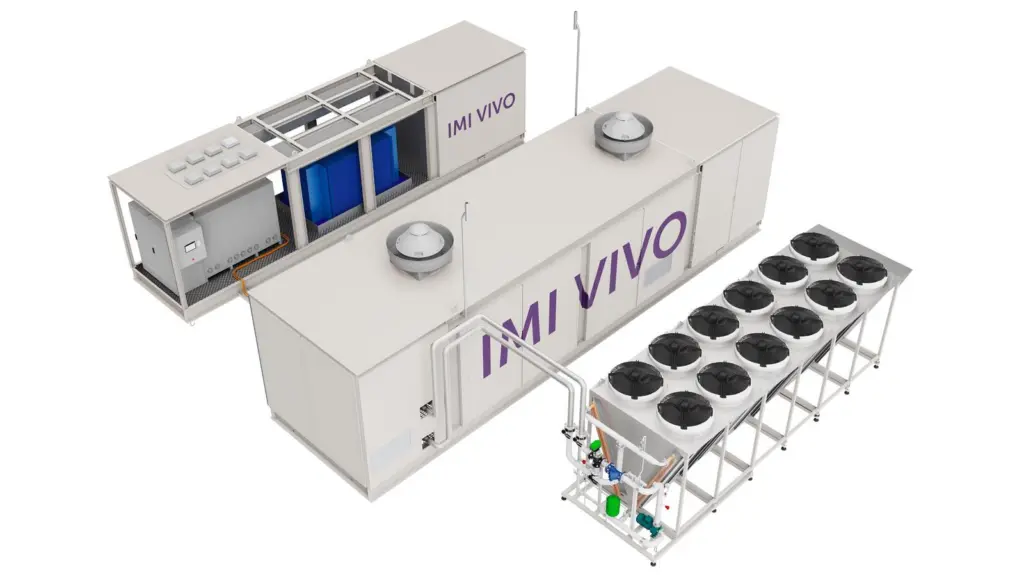
Engineering firm IMI has announced it will provide a PEM electrolyser to produce hydrogen at the Lithuanian Port of Klaipėda.
Once the electrolyser is installed, IMI says Klaipėda will be the first port in the Baltic region to produce hydrogen on site – powered by ‘renewable energy’, which a spokesman said could come from a range of sources.
“Lithuania has a diverse mix of renewable energy sources, including solid biofuel, wind energy, solar energy, hydropower, biogas, and geothermal energy.” he said. “The Port of Klaipėda could potentially use any of these sources to power the electrolyser.”
Energy and industrial infrastructure contractor MT Group will do the groundwork, which means installing IMI’s VIVO PEM electrolyser.
This will produce just 500kg of hydrogen a day to begin with, using an electrical input of 3MW. IMI says it has potential to be expanded up to 20MW through modular configuration.
IMI says the EU’s ‘Green Deal’ requires ports to slash transport emissions by 90% by 2050, which is putting operators under a lot of pressure.
“Electrolysers can provide huge benefits to the marine sector, and help to meet the stringent targets set out by the EU as part of the European Green Deal,” said Mauro Natalini, Sales & Business Development manager at IMI.
“We’ve been working closely with both MT Group and the Seaport Authority throughout this process, with some of their technicians recently visiting our manufacturing site in Sardinia to see the electrolyser production process in person. This cements our strong bond, as we both strive to help accelerate the use of green hydrogen in the Baltic region. It also reflects our commitment to working with our clients to help deliver solutions that enable emissions reductions in key industries.”
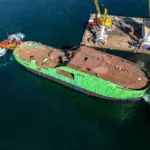
The first vessel to be powered by the hydrogen produced at the port will be a 42m x 10m waste collector, which the port says is the first of its kind.
“In future years, the port will replace other diesel vessels (like tug boats, waste collectors and others) and land port vehicles (forklifts, cars, trucks) but precise details are yet to be confirmed,” the spokesman said.
Related Articles
 FEATURES & VIDEOS
 ENVIRONMENT
 OTHER NEWS