![MaritimeJournal[Seawork]](https://www.maritimejournal.com/wp-content/uploads/2026/09/MaritimeJournalSeawork.svg)






RWE Australia pull-out signals growing offshore headwinds Down Under
RWE’s announcement that it has pulled out of a 2GW offshore wind project in Australia’s Victoria is the latest of a string of large projects that are no longer going ahead.
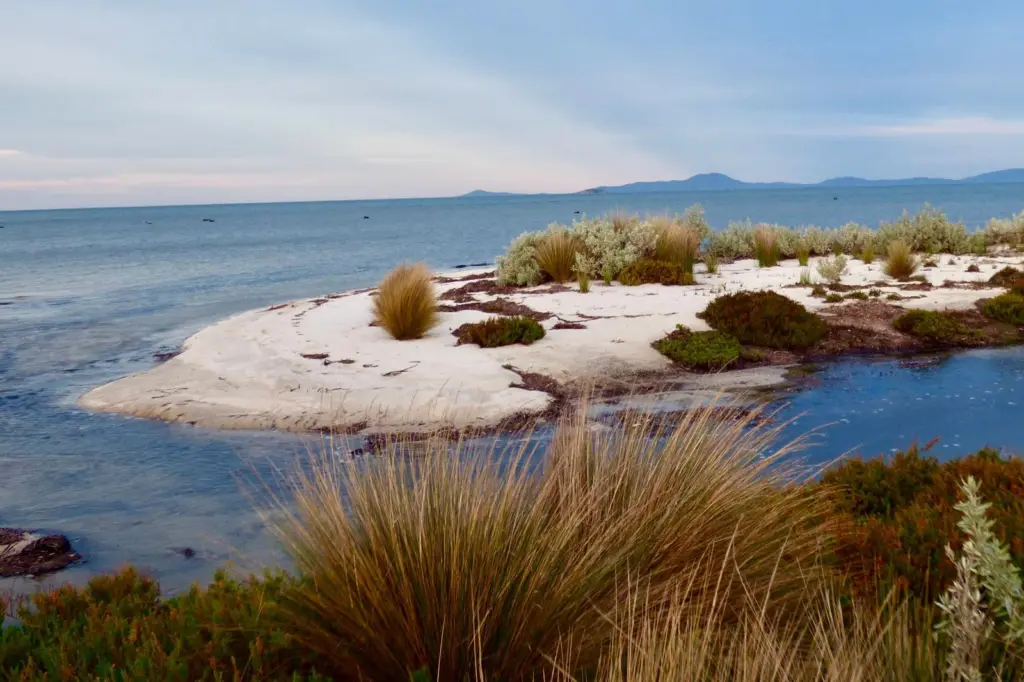
“After close to a year of feasibility studies, RWE has made the considered decision to cease development of the Kent offshore wind project off the Gippsland coast in Victoria,” the company said on its Australian website. “This decision follows a review of the project’s competitiveness in current market conditions, as well as ongoing uncertainties around supply-chain costs and the future design of the auction framework.”
RWE’s decision follows three by competitor Equinor, who in August walked away from the Novocastrian offshore wind project in the Hunter region of New South Wales with its Australian partner Oceanex.
The energy giant had already withdrawn an application for the Illawarra offshore wind zone south of Sydney in February, and a partnership with Tasmania-based Nexsphere in the Bass Strait had broken down, but as Federal Energy and Climate Change minister Chris Bowen said at the time, it wasn’t just Australia that Equinor seemed to be growing cold about, citing similar walk-outs in Portugal, Spain and Vietnam.
The recent cancellations follow what was seen as a wave of enthusiasm in the offshore wind sector in Australia, which only really began to take root in 2021 after the Offshore Electricity Infrastructure Act was passed in 2021, enabling developers to apply for feasibility licences for the first time.
“Australia has world-class offshore wind resources, and this legislation provides the certainty investors have been waiting for,” said then Energy minister Angus Taylor in December of that year.
The first offshore wind zones were then declared by the new federal Labour government in May 2022, and after others were declared and targets of 2GW by 2032 and 9GW by 2040 were set, dozens of stakeholders – including Equinor, Shell, Ørsted and RWE – registered their interest.
Despite scrapping the Victoria project, RWE stressed that the move “relates solely” to that one, and that it remained committed to onshore renewables and battery investments in Australia.
Official comment
A spokesman for Chris Bowen MP, the minister for Climate Change and Energy in Australia, told Maritime Journal: “Offshore wind developers are facing global challenges with high costs and supply chain uncertainty – but there still remains a high level of investment interest in Australia’s emerging offshore wind industry.
“The government is committed to working with all proponents to progress an offshore wind industry that will deliver regional jobs and lasting energy security for Australia.”
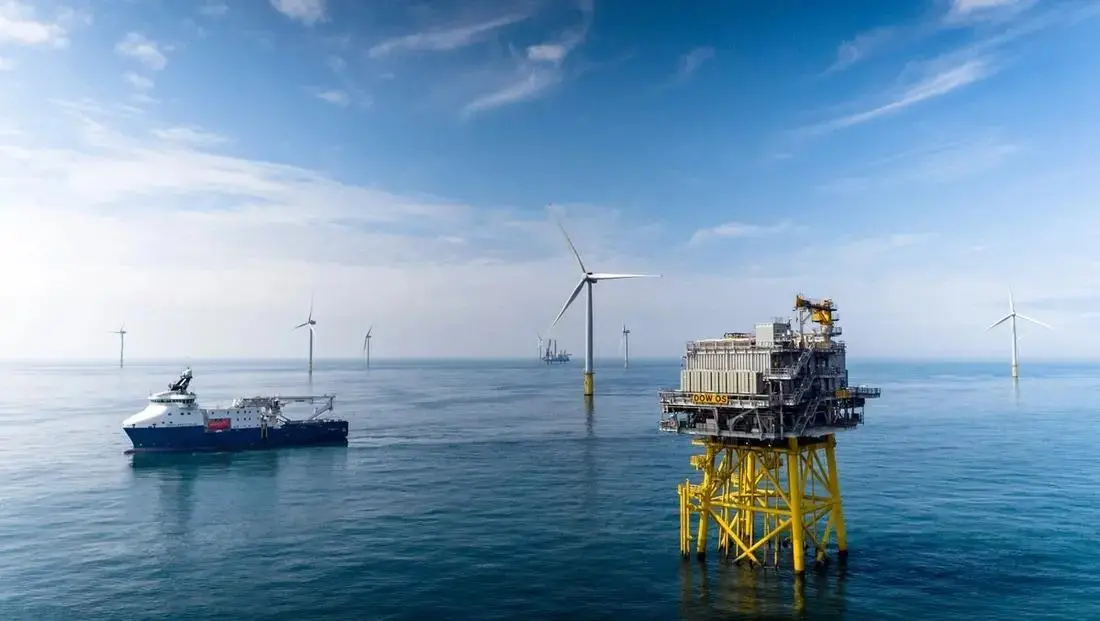
Minister for Energy and Resources in Victoria Lily D’Ambrosio said Victoria still remained track to meet a 95% target for renewable energy.
“Offshore wind is critical to the nation’s energy security and pushing down energy bills for Victorian families and we continue to engage with the Commonwealth on renewable energy projects including a timeline and support package to deliver Australia’s first offshore wind auction.
“As the global market for offshore wind investment changes we’re making sure the auction is competitive and attractive and will release a new timeline for this process later this year.
“A construction port is essential to build this industry, that’s why our focusing is on securing the Victorian Renewable Energy Terminal following delays to the EPBC Act referral – giving investors certainty ahead of the auction process. We’re actively assessing the role of deep-water ports including the Victorian Renewable Energy Terminal (VRET) at the Port of Hastings.”
Related Articles
 FEATURES & VIDEOS
 ENVIRONMENT
 OTHER NEWS