![MaritimeJournal[Seawork]](https://www.maritimejournal.com/wp-content/uploads/2026/09/MaritimeJournalSeawork.svg)



Supply chain and unreliability plague wind farm sector: report
Insiders are beginning to question wind energy targets because of unreliability concerns and supply chain bottlenecks, a recent report has claimed.
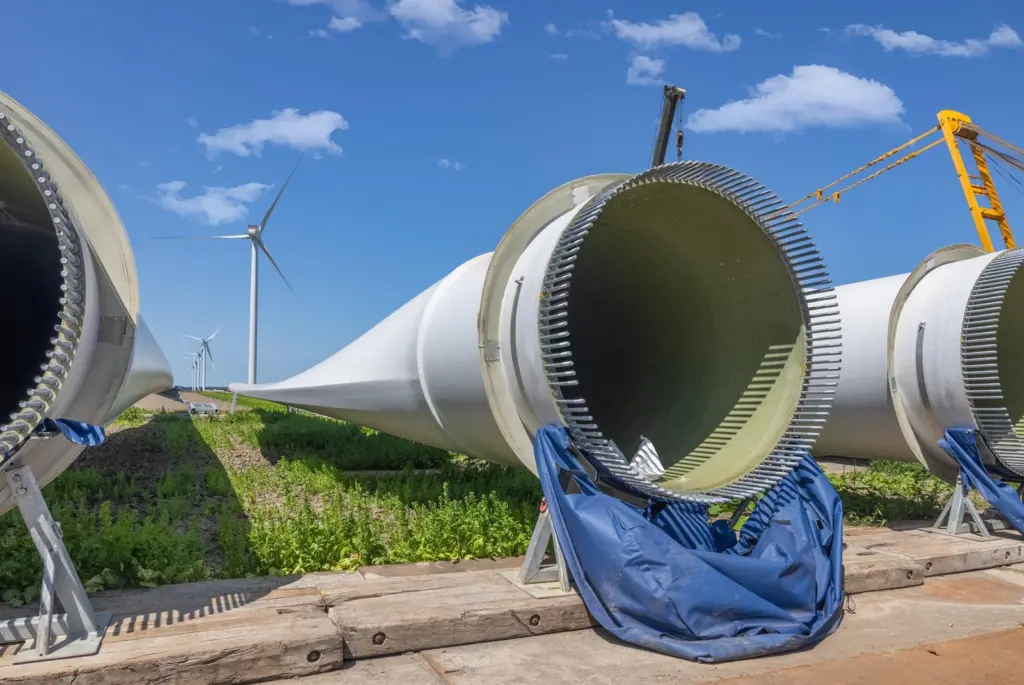
While the race for larger turbines may have reduced the levelized cost of energy with a higher output to CAPEX ratio, it has also been a direct contributor to rising reliability concerns, the report Ever-Changing Winds: The State of the Wind Industry in 2024 and Beyond by wind turbine engineering and predictive maintenance firm Onyx Insight says.
Onyx Insight monitors more than 16,000 on and offshore wind turbines in around 30 countries.
“The wind industry had a boom a number of years ago, and it was during this period that OEMs faced an enormous amount of market demand,” the report says. “This led to a wide variety of turbine designs, delivered on short cycles to meet the demand of a customer base looking to generate more energy for lower costs and with greater efficiency.
“Fast forward to the present and between the perfect storm of supply chain issues and too many turbine designs to support, OEMs have been losing significant amounts of money, including those paid out in liquidated damages.
“Manufacturers have been locked into a price competition spiral, attempting to produce larger turbines for more competitive pricing. But with bigger turbines produced in shorter production cycles, it’s no surprise that manufacturing quality has diminished.
“The increasing failure rate of ageing assets and early design failures on new turbines has sent ripples through the sector. Many are now questioning offshore wind targets.”
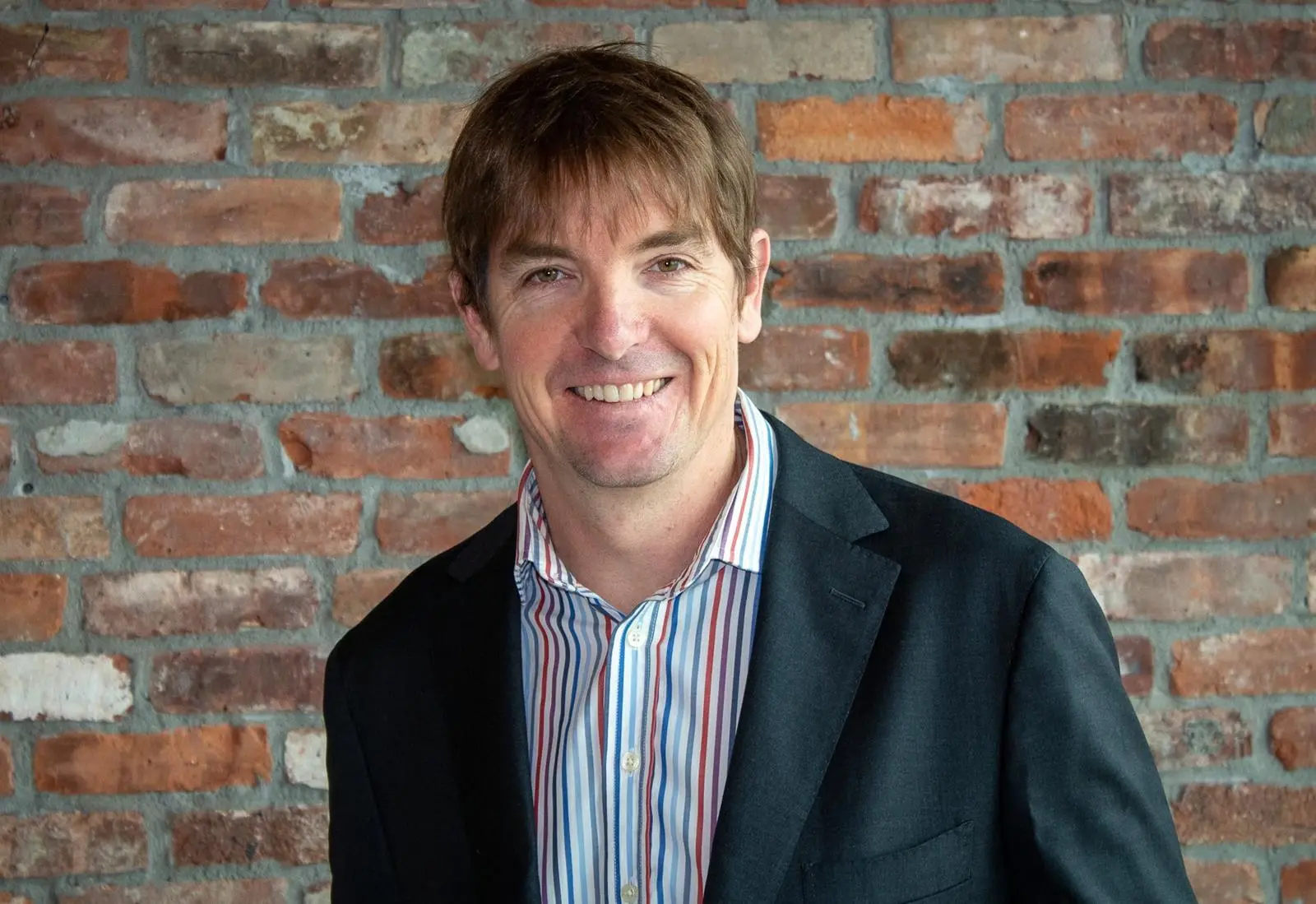
Lead report author and Onyx Insight chief commercial officer Ashley Crowther spoke to Maritime Journal about the findings, which were obtained from a survey of more than 50 industry insiders, including the directors and CEOs of OEMs, utilities, suppliers and service providers in Europe, the Americas and APAC regions.
“The wind industry’s been coming out with new models, with bigger blades and bigger power ratings in a pretty compressed time frame,” he says. “And the driver behind this is the cost. That’s actually brought down the cost of wind energy a lot because as the machines get bigger, the number of people you need to work on them and the power cables and so on gets less, and you can generate three times the power.
“However, what’s happened is that the cycle of new technology has had a lot of teething issues, so there’s been a rash of failures that are quite public.
“But challenges drive opportunity. It’s actually made the OEMs slow down, and say they’re not going to make bigger machines for a while – they’re going to stop at 15MW offshore. They couldn’t have done that a few years ago because another OEM would have then won the business, but the fact they’re all slowing down together is a good thing and gives them time to optimise the machines and designs and make them much more reliable.”
One key way to minimise operation costs is digitalisation, Crowther says – and as the industry becomes mature and people look more at the lifetime cost of their asset, they will be more willing to pay more up front if it can help reduce downtime further down the line by being able to schedule maintenance and servicing.
Blade monitoring, for example, could save operators millions of dollars.
“In the past, a blade failing would mean an expensive replacement,” the report says. “However, these days a failure could destroy the entire turbine, and with this costing almost $10m, including clean-up, downtime and the replacement turbine, asset owners cannot afford major blade failures.”
“Wind turbines are so data rich, they’re all connected to a network,” Crowther says. “So you can collect all that data, analyse it and make decisions.”
If a part on one turbine is detected as having issues, similar parts on other turbines can be grouped together and serviced, minimising the cost of crew, their transport and so on.
“Prediction helps to save costs,” Crowther says. “If you don’t, the machine may need to suddenly be taken offline.”
Is the future bleak for wind, as many media reports (including those in Maritime Journal) are saying, given the recent lack of enthusiasm in bidding for new offshore wind farm projects?
Crowther believes the sector is simply in transition.
“The wind industry needs investment to be able to keep up with what the politicians would like to build,” he says. “There’s certainly the environment for the industry to grow, but whether it can grow as fast as the politicians and public would like it to grow will depend on getting the OEMs back into better financial health so they’ll be better placed to help.”

Related Articles
 ENVIRONMENT
 DREDGING & FLOOD DEFENCE
 ENVIRONMENT