![MaritimeJournal[Seawork]](https://www.maritimejournal.com/wp-content/uploads/2026/09/MaritimeJournalSeawork.svg)






Three-in-one battery/hydrogen/tidal demo unveiled
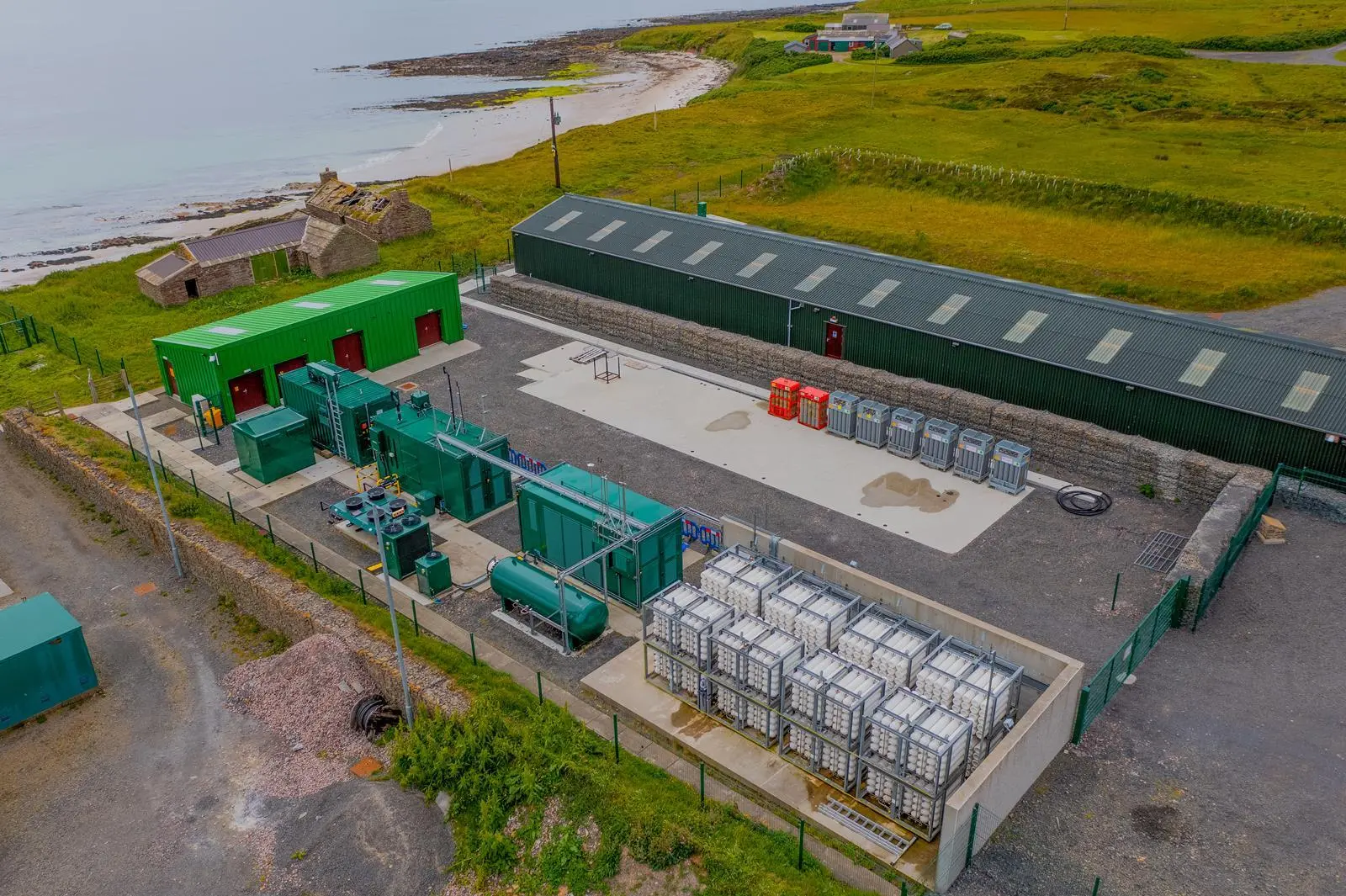
The European Marine Energy Centre (EMEC) has finished a three-in-one demonstration combining tidal power, battery storage and hydrogen production off the coast of Orkney, Scotland.
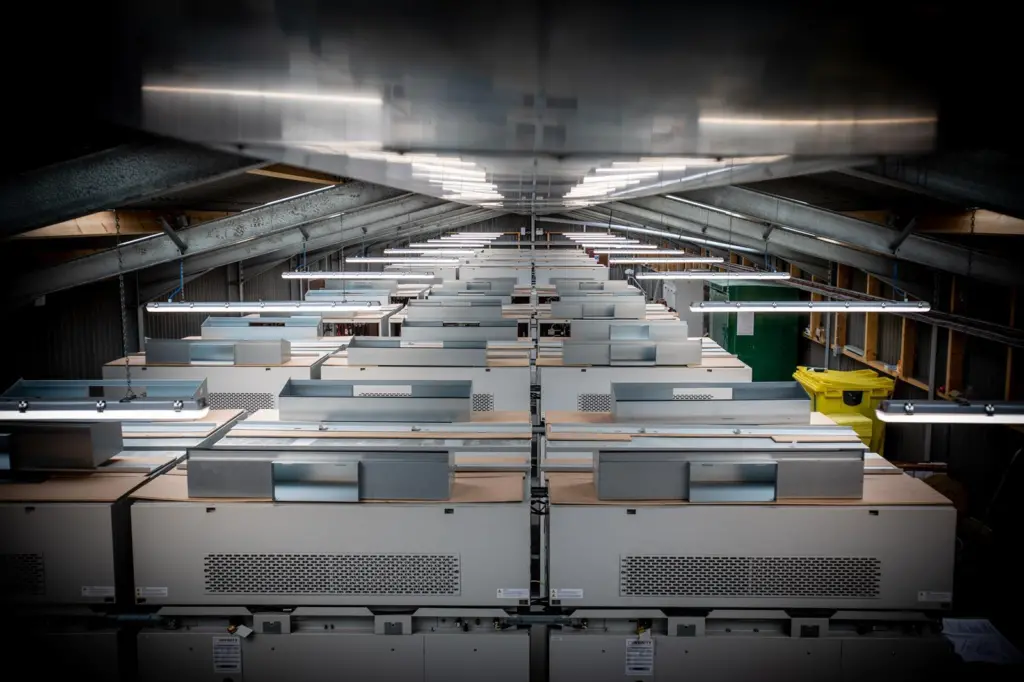
Orbital Marine Power’s O2 tidal turbine was used to charge a vanadium flow battery system from Invinity Energy Systems and supply electricity directly to a 670kW electrolyser by ITM Power to produce the hydrogen.
Invinity’s vanadium flow batteries are a form of heavy duty, stationary energy storage that provide hours of continuous power, one or more times per day, through decades of service.
The battery steps in at times when tidal generation is low, and this is possible because of the predictable, cyclical nature of tide. The battery was also used to power onshore operations at EMEC’s site, EMEC said.
“This is the first time globally that tidal power, vanadium flow battery storage and hydrogen production technologies have been integrated into a single energy system,” says EMEC. ”This approach could help overcome future grid constraints and open up new offtake opportunities, paving the way for more resilient, responsive renewable energy systems.”
As well as proving the possibility, the demo also highlighted shortfalls, such as battery management and electrolyser controls, ‘underscoring the value of increased automation to minimise human error and enhance system reliability’, the demo organisers said.
“The project illustrates how the highly predictable flows of power from tidal streams can be successfully harnessed in a variety of forms to meet the energy needs of business and communities throughout Scotland and beyond,” said Graeme Harrison, head of Marine Energy at Highlands and Islands Enterprise.
“This world-first demonstration represents the culmination of years of effort to integrate tidal energy, battery storage and hydrogen production,” said Leonore Van Velzen, Operations and Maintenance manager at EMEC. “Bringing together three innovative technologies was a complex challenge, but reaching this milestone has provided invaluable insights.
“Running all planned scenarios, responding swiftly to an electrolyser trip and identifying opportunities for greater automation have given us a clear roadmap for optimising future systems. The trial also highlights an alternative pathway for tidal energy in scenarios where grid export capacity is limited, a likely feature in the future as we transition to a fully renewable energy system.
“Building on our practical experience with hydrogen, we’re now exploring other offtake routes such as synthetic fuel production using renewable hydrogen as a feedstock.”
Related Articles
 FEATURES & VIDEOS
 ENVIRONMENT
 OTHER NEWS