![MaritimeJournal[Seawork]](https://www.maritimejournal.com/wp-content/uploads/2026/09/MaritimeJournalSeawork.svg)
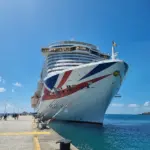

UK holds fire on carbon taxes for small vessels
The UK is holding off on imposing carbon taxes or other green penalties in the smaller vessel segment until the 2030s, representatives from the Department for Transport (DfT) told members of a decarbonisation event held in London this week.
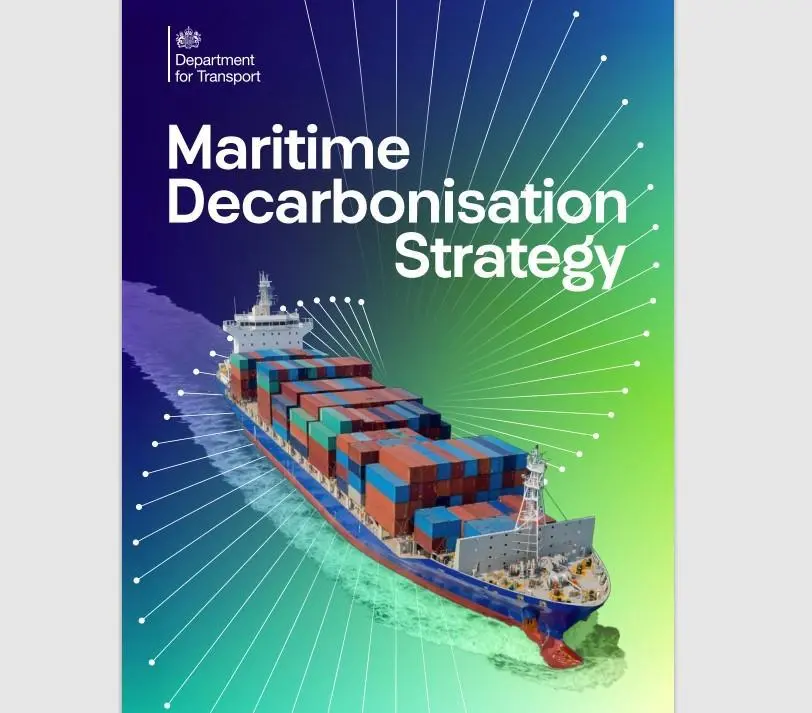
As the IMO launches the world’s first global carbon pricing scheme for all ocean-going vessels over 5,000GT, the first time that a UN agency has imposed mandatory emissions limits on an entire industry, the DfT said it was willing to listen and engage with the smaller vessels industry before doing anything until probably the next decade, Sheuli Sumon told the meeting.
But this was not music to the ears of attendees at the DfT & Workboat Association Small Vessels Decarbonisation Event held at the historic Watermen’s Hall – because uncertainty surrounding not only rules but what technologies to go for is threatening their businesses more than anything.
Electrification, future fuels, biofuel, HVO – all options are on the table, with no clear frontrunner, and while some delegates said the solutions were already out there, others said while that might be the case, for one thing the infrastructure was not in place so they were unavailable, and for another, no one knew when the rules would change.
Electric and future fuels
“We are looking at an electric tug,” John Spencer, group CEO of GPS Marine and CPS Marine Contractors, based in Kent, told the DfT. “It’s too expensive, more expensive than oil and gas, there’s no infrastructure and it doesn’t fit within anything we do.
“We are trying to do it, I’m not being negative, but it costs a lot more money and you need to understand all of these things. We worry that we go and do something andf you change your mindsd and that’s a lot of money thrown away. We’ve got no choice. We have to buy diesel. What are we supposed to do?”
Spencer added that with the UK government’s decision to raise National Insurance for employers as well as force family-owned businesses to cough up inheritance tax when passed down to the next generation, firms were going to stop investing and simply save the money for their beneficiaries.
“There won’t be any left for investment,“ he said. “This is the most anti-business government we have ever had.”
Svitzer Head of Decarbonisation Gareth Prowse spoke up for alternative fuels such as HVO, which Svitzer is using, but they were facing challenges because it was incentivised for road transport, making it more expensive, he said.
“There are some practical things that can be done that doesn’t require any big changes to the fleet, like putting batteries on board,” he said. “You should be scared of the cost if you are looking at retrofitting, but biofuels could be realistic. There are solutions that are there that could be used today.
“But for tugs that have been designed to run on diesel it’s very difficult to convert it to electric, or to methanol, hydrogen – ammonia would be practically impossible.”
Making the business case
“We can’t cope with uncertainty,” said Prowse, adding that he was disappointed the DfT was not intending to make legislation changes until the next decade.
“It’s getting progressively harder to pick the winners. We have a methanol system on board a tug in Gothenburg; in Denmark we have a 1.8MW battery tug; the solutions are here, and operators can do it but only if there’s a business case.
“The number one thing that holds us back is the lack of infrastructure. Electrification will end up being the cheapest but we need to bring power to the shoreside.”
Gerry Heward, representing the Inland Waterways Association, said businesses in the small boat sector were predominantly SMEs and at that, primarily Small.
“Raising money and getting finance is much harder in this sector, compared to ship owners,” he said. “No one is throwing money at us.”
The sector needed incentives to buy the technology as customers would not pay.
John Spencer cited London’s River Thames as an example of poor infrastructure.
“It’s a tidal river – so there are high and low water charging times,” he said. “There’s nowhere for bunkering or storage of future fuels. Without the infrastructure it’s really hard to make any commitment to anything because you could simply make the wrong call.”
One delegate said that if he plugged in the two CTVs at his town port, the whole town would black out.
Ben Craig, also with the DfT, said they understood the scale of the challenge.
“We need different solutions for different sectors, ie inland waterways versus sea users,” he said. “There is different infrastructure and different barriers, and you need the confidence that you can go from A to B and there will be charging infrastructure to support it.”
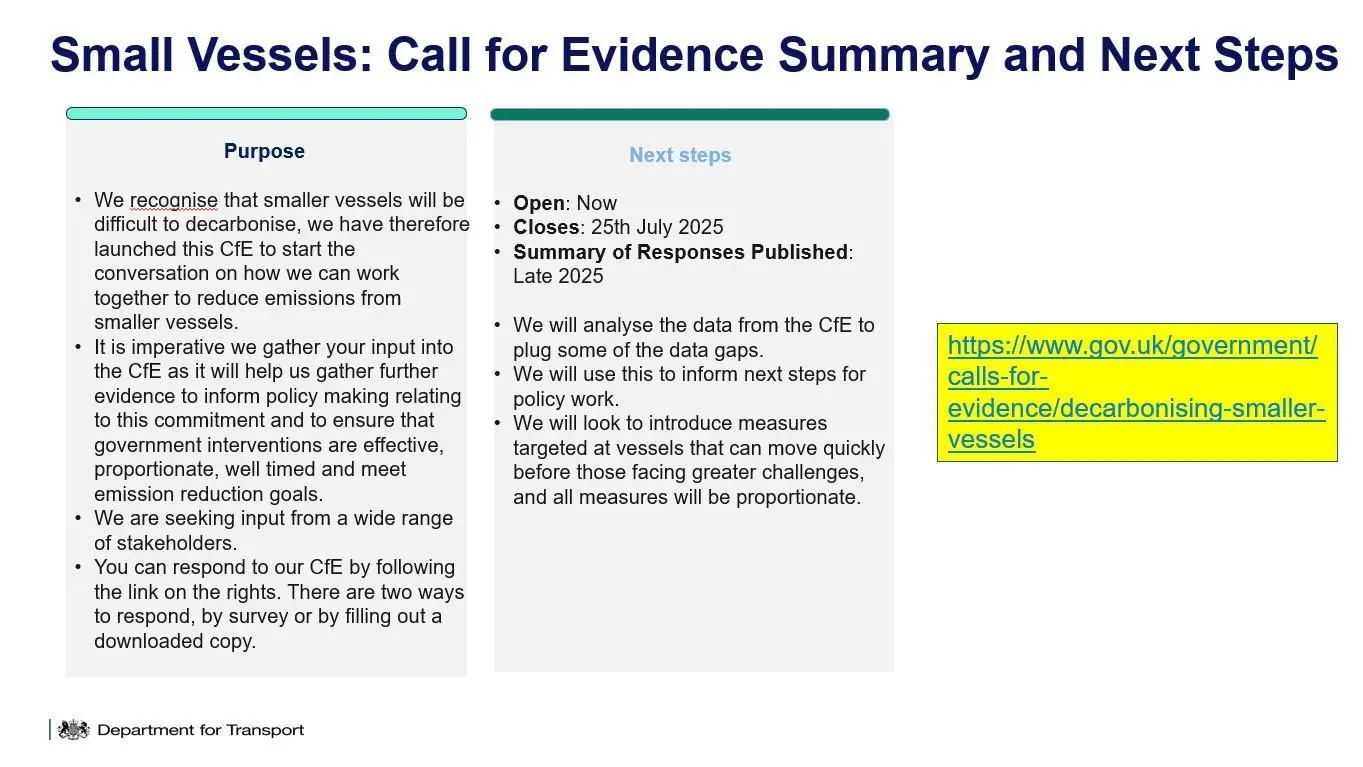
The DfT has issued a Call for Evidence, with a deadline of July 25, for all parties to have their say. You can access it here.
Finishing off, Workboat Association CEO Kerrie Forster said frontrunning equipment was already available, the industry has the motivation to change – “it’s down to us (industry and regulator together) to make it work.”
Related Articles
 FEATURES & VIDEOS
 ENVIRONMENT
 OTHER NEWS