![MaritimeJournal[Seawork]](https://www.maritimejournal.com/wp-content/uploads/2026/09/MaritimeJournalSeawork.svg)






Wasaline claims it’s hit net zero five years early
Ferry operator Wasaline has become the first shipping company in the Baltic Sea to reach carbon neutrality, five years ahead of its original 2030 target, it says.
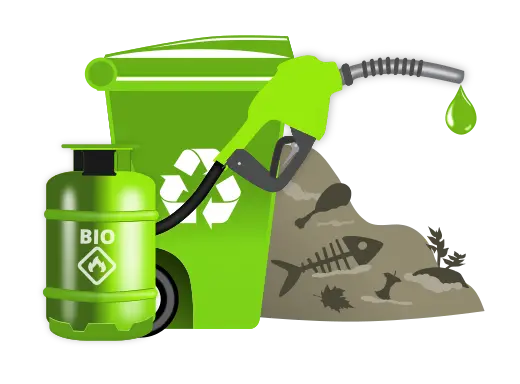
The milestone follows agreements with energy company Gasum, which supplies fuel solutions for road and maritime transport, for certified biogas supply and with Stena Line through a FuelEU Maritime pooling arrangement, enabling the exclusive use of biofuels on the Vaasa–Umeå route.
The pooling arrangement means that Stena Line has integrated Wasaline’s 100% biogas vessel Aurora Botnia into its FuelEu Maritime pool, allowing it to count the GHG reductions towards the performance of its other vessels.
In return, Wasaline has access to Stena Line’s biogas volumes.
The partnership has led to the designation of the Vaasa–Umeå route as the first operational international green shipping corridor, supported by the DNV-led Nordic Roadmap initiative.
Aurora Botnia, already operating with hybrid technology, will undergo an upgrade in January 2026 to expand battery capacity from 10.4MWh to 12.6MWh, which is expected to be the largest battery installation on a ROPAX vessel, Wasaline says.
The additional battery capacity will be delivered by marine battery maker AYK Energy, naval architecture and marine engineering consultancy Foreship and energy giant Wärtsilä.
DNV describes the corridor as a key step towards the Clydebank Declaration (a non-binding international pledge announced at COP26 to set up ‘green corridors’) and the Nordic Ministerial Declaration on Zero-Emission Shipping Routes (a joint political declaration by Denmark, Finland, Iceland, Norway and Sweden to create zero-emission shipping routes between Nordic countries).
“By integrating Aurora Botnia into Stena Line’s FuelEU Maritime pool, we gain access to biogas previously unavailable for Stena Line, which enables further emission reductions for the entire pool, lowers fuel costs and strengthens our strategic position as biofuels become increasingly scarce under more stringent regulations,” says Niclas Mårtensson CEO of Stena Line.
Wasaline operates the northernmost daily passenger and freight service in the world, connecting Vaasa in Finland with Umeå in Sweden. Aurora Botnia is equipped with dual-fuel engines and battery systems, and has received Finland’s Key Flag recognition for its vessel and services.
Stena Line operates about 40 vessels on 20 routes in Northern Europe and the Mediterranean.
Related Articles
 FEATURES & VIDEOS
 ENVIRONMENT
 OTHER NEWS