![MaritimeJournal[Seawork]](https://www.maritimejournal.com/wp-content/uploads/2026/09/MaritimeJournalSeawork.svg)



Crews warned of ‘Boy Who Cried Wolf’ alarm danger
Crews are adopting a ‘Boy Who Cried Wolf’ attitude towards unnecessary alarms – risking their safety, a report by Lloyd’s Register has found.
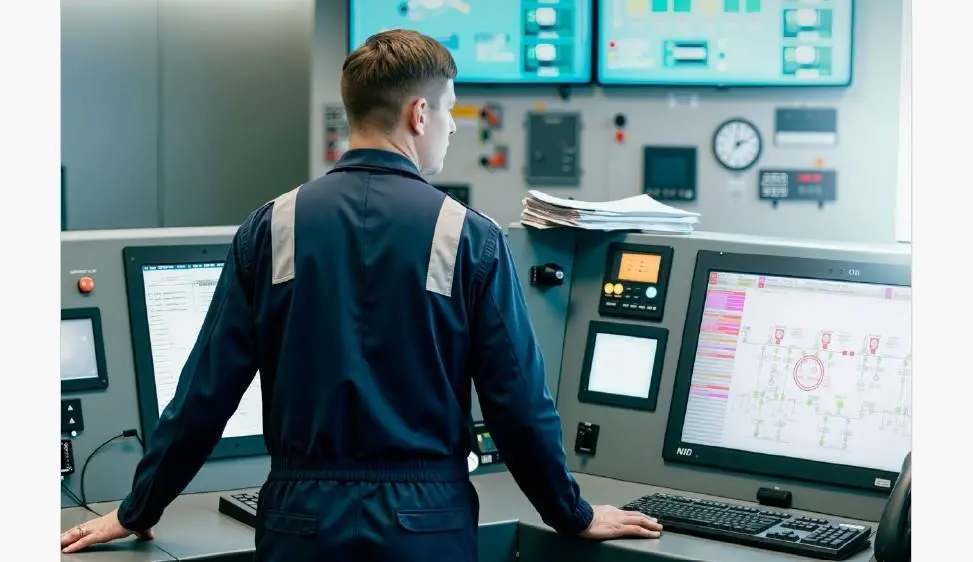
The Effective alarm management in the maritime industry report has shown that nuisance vessel alarm systems are ‘routinely overwhelming crews’ and actively undermining safety at sea.
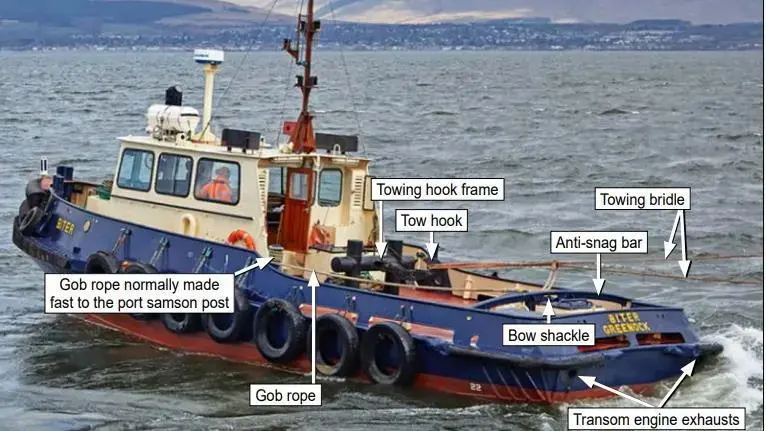
It is not just a big ship problem: for tug crews, pilot boat engineers and harbour masters working in confined waters, with small crews and high-risk manoeuvres, it may be even more dangerous.
Across 11 vessels, Lloyd’s found analysed more than 40 million alarm events.
Designed to protect crews, the alarms are overwhelming them instead — especially on vessels where engineers aren’t permanently stationed in control rooms, like tugs, pilot boats and harbour craft, the report found.
On smaller workboats, repetitive, chattering and flashing alarms, which can go off during manoeuvres, shut-downs and rest periods, disrupt vital sleep, leading to crews muting them – which can have even worse results.
“Alarms that keep coming up, we just mute them so that they don’t come up again and again,” the report quotes crew members as saying.
“During a severe alarm flood, the system can actually hinder or distract operators, causing them to either abandon it as a decision-making tool or waste their time just trying to silence the loud noise of multiple simultaneous alarms,” it says.
Less than half of the ships studied met the basic industry recommendation of fewer than 30 alarms per hour, the report found, and on vessels with unattended machinery spaces, 63% of crew rest periods were interrupted by alarms. For crews expected to be sharp at a moment’s notice, sleep becomes fragmented and trust in alarms erodes.
When alarms constantly go off, crews stop listening, engineers silence them without properly acknowledging them, and some are even physically bypassed. Others are ignored because ‘it’s always been like that’.
Over time, abnormal conditions start to feel normal – or are simply dismissed.
“The tale of the Boy Who Cried Wolf is not merely a cautionary fable, it is a phenomenon repeatedly validated by research, not to mention our own observations on the ships analysed in this report,” it says.
That fatigue has real consequences. Accident investigations into fires, blackouts and machinery failures repeatedly point to alarms being missed, dismissed or misunderstood because crews were already drowning in noise.
The report does sound one note of optimism, citing an operational ship that had its alarms cut by 50% simply by fixing faulty sensors, correcting valve settings and properly tuning alarm thresholds, all without new technology or complex software.