![MaritimeJournal[Seawork]](https://www.maritimejournal.com/wp-content/uploads/2026/09/MaritimeJournalSeawork.svg)


Electric pilot boats and waste tanker delivered to Lithuanian port
The Port of Klaipėda has taken delivery of three new electric and hybrid vessels as part of a drive to modernise its fleet and cut emissions, with Dutch battery specialist EST-Floattech supplying the energy storage systems across all three builds.
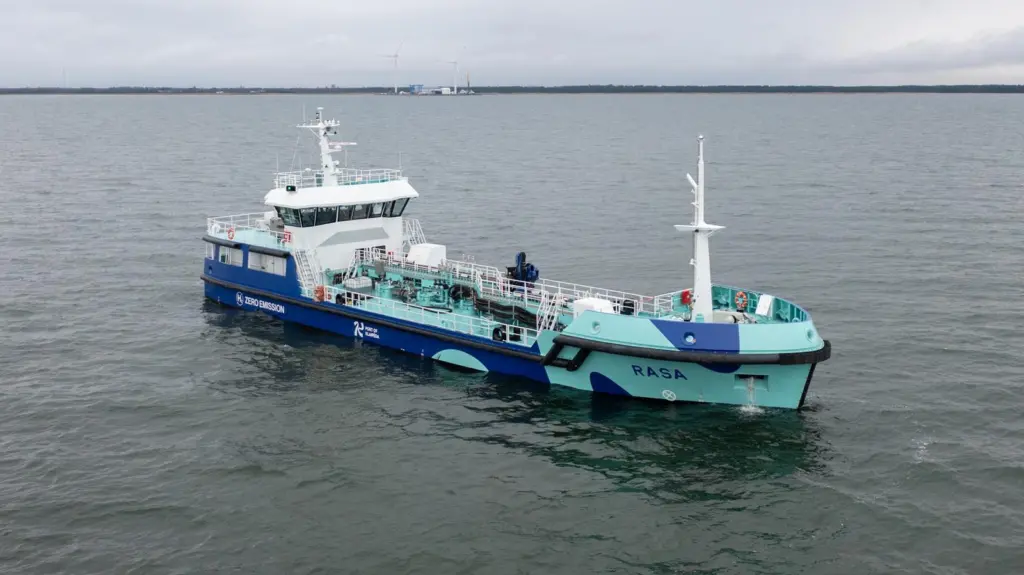
Estonian shipbuilder Baltic Workboats delivered two electric-hybrid pilot boats alongside a fully electric waste tanker to the Lithuanian port. The pilot boats each carry battery systems totalling 240kWh and can switch between fully electric, hybrid and direct diesel modes depending on operational conditions.
In electric mode, the vessels are capable of speeds up to 10 knots and a range of more than 15 nautical miles at 7 knots.
The third vessel, the waste tanker RASA, is fully electric and fitted with EST-Floatech’s 2MWh Octopus Series battery system. The system is designed to run for up to 10 hours without recharging, covering a full working shift under typical harbour conditions.
Beyond emissions reduction, the tanker’s electric operation also cuts noise levels in the port environment. Walter van der Pennen, chief commercial officer at EST-Floattech, said the project showed that heavy-duty vessel types need not be excluded from the shift to zero-emission operations.
“Reliability and predictability are crucial for any vessel, but especially essential for harbour operations,” he said.
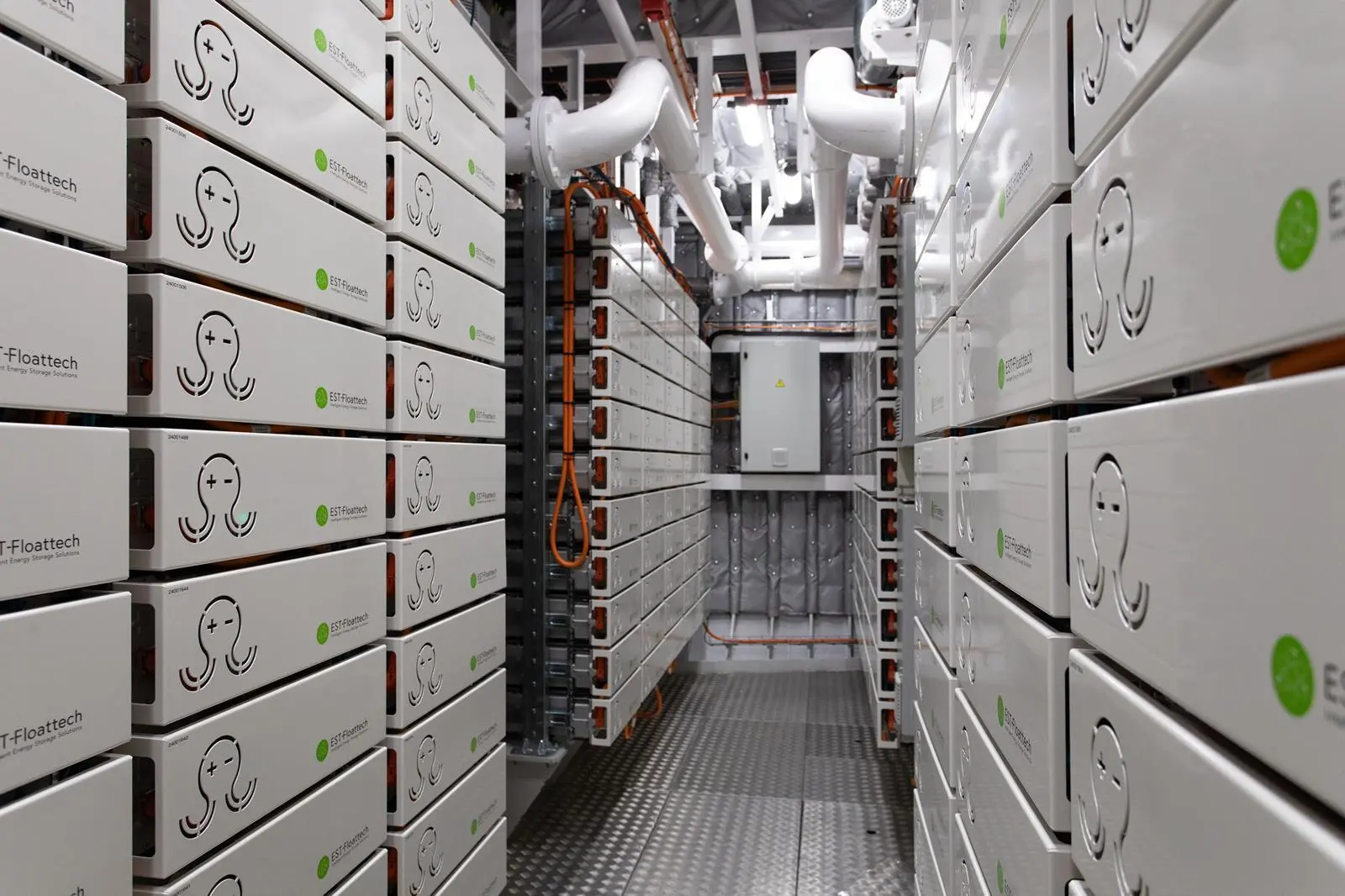
The deliveries reflect a growing trend across European ports to electrify working vessel fleets that were previously considered too operationally demanding to move away from diesel.
Port authorities across the continent are under increasing regulatory pressure, with the EU’s FuelEU Maritime regulation and tightening emissions standards in port areas pushing operators to accelerate fleet renewal. Workboats and harbour craft – pilot vessels, tugs, ferries and utility vessels – are increasingly seen as the low-hanging fruit of maritime decarbonisation, given their predictable routes, short operational ranges and regular return to port for recharging.
The Baltic region in particular has become an active testbed for electric and hybrid maritime technology, with Scandinavian and Baltic shipyards among the most prolific builders of zero and low-emission workboats in Europe.
EST-Floattech, founded in 2009 and based in Badhoevedorp in the Netherlands, develops and installs battery systems for maritime use. Its Octopus Series technology has now been deployed across more than 300 projects, with some vessels having run on EST-Floattech batteries for over a decade.