![MaritimeJournal[Seawork]](https://www.maritimejournal.com/wp-content/uploads/2026/09/MaritimeJournalSeawork.svg)




Italian marina becomes showcase for electric charging
An Italian marina has become one of the Mediterranean’s first fully electrified waterfront destinations following the completion of the first project under a €2 million regional funding programme.
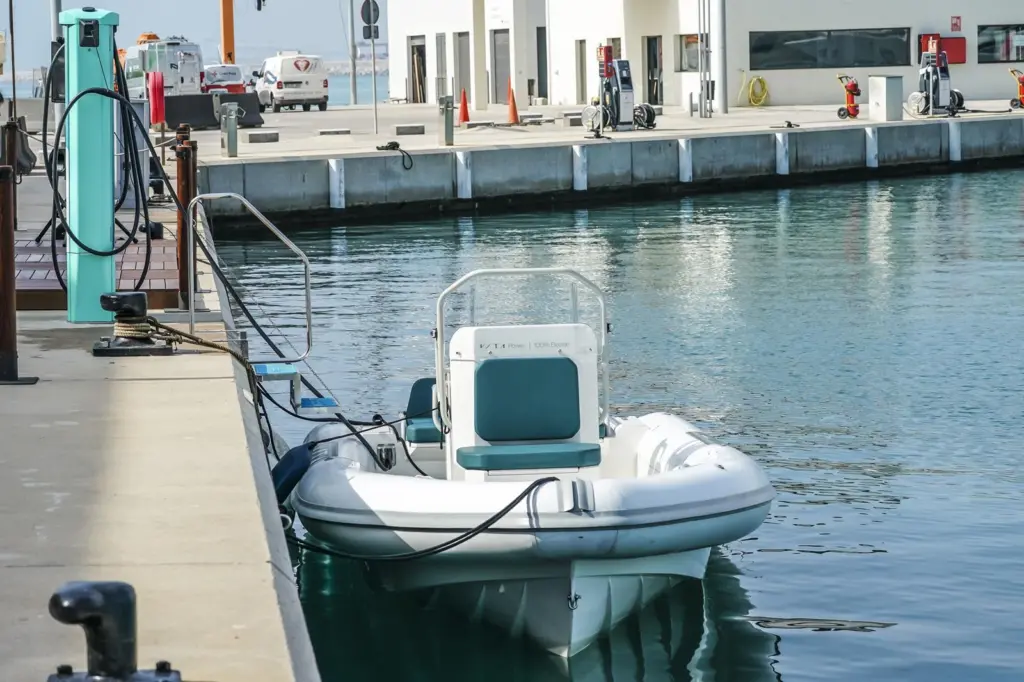
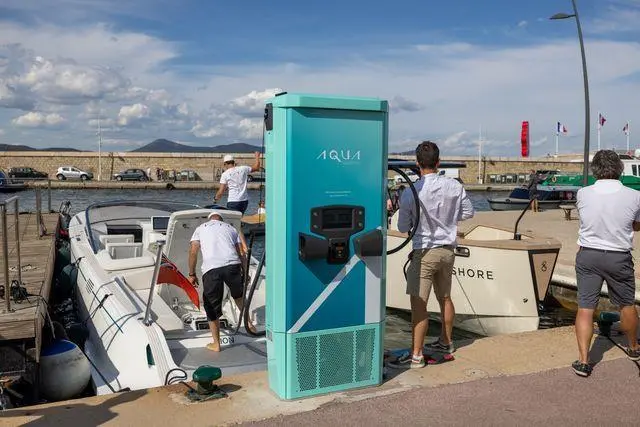
Portopiccolo, in the Friuli Venezia Giulia region of north-east Italy, has installed an Aqua SuperPower 75kW marine fast charger for electric boats alongside two 22kW electric vehicle chargers, creating an integrated charging hub for visitors arriving by both land and sea.
The installation is the first completed project under a regional initiative designed to encourage marinas, ports and nautical facilities to invest in innovative technologies.
Aqua SuperPower says the scheme provides a model that could be replicated elsewhere in Italy as demand for electric boating infrastructure grows – and the system, the company says, could also support the workboats, harbour craft and passenger vessels of the commercial marine sector.
“These applications are often ideal for electrification because charging can be integrated into normal operational schedules, allowing charging to be integrated into normal operating schedules without disrupting service,” said COO Karen Gill.
“Beyond the charging hardware, successful commercial deployment also requires careful consideration of grid capacity, energy management and operational planning. Our role is to work with ports, vessel operators, and network partners to design charging solutions that are reliable, efficient, and tailored to the needs of each operation.”
How it works
Aqua SuperPower’s charging infrastructure connects vessels to the local grid through purpose-built charging stations using the same standard as that for automotives – CCS1 in the US, and CCS2 in Europe.

“The charging technology itself is scalable, with power levels selected to match the operational requirements of each vessel and its duty cycle,” Gill says. “As battery technology continues to improve, we expect an increasing number of larger commercial vessels to become viable candidates for electrification.”
“The primary limitation is not the charger itself, but the vessel’s battery capacity and available electrical infrastructure at the marina or port,” says Gill. “Larger vessels with very high energy demands may require higher-power charging systems, upgraded grid connections or battery energy storage to support rapid charging. As vessel batteries continue to increase in capacity and higher-power charging standards are adopted across the industry, the range of commercial vessels that can be electrified will continue to expand.
“Our approach is to assess each application individually, ensuring the charging solution is matched to the vessel’s operational requirements, available infrastructure, and future growth plans.”
Aqua SuperPower hopes that as local grids receive more power from wind and solar power, the whole recharging process can be considered greener.
Different charging needs
Although recreational users have very different needs from commercial ones, the system is ideal for both, says Gill.
“Flexibility is a key part of our platform,” she says. “Commercial operators typically prioritise reliability, uptime and predictable charging. Their vessels often operate to fixed schedules, meaning charging needs to be completed within defined turnaround times to keep services running. These customers also require fleet management capabilities, usage reporting and high network availability to minimise operational disruption.
“Recreational boat owners generally have more flexibility in when they charge. They may recharge while stopping for lunch or spending time in a marina. For these users, simplicity, ease of payment and a seamless charging experience are often the highest priorities.
“Our charging network is designed to support both use cases. The same infrastructure can provide secure, reliable charging for commercial fleets while offering an intuitive user experience for leisure customers through our payment and network management platform.”
Competitors
While several companies are developing marine charging systems across Europe, Aqua SuperPower offers a variety of business models to best suit various customers and situations.
The model goes beyond infrastructure deployment and superPower empowers marinas to become Charge Point Operators (CPOs), giving them full control over their charging networks, including pricing, user management, operations and revenue generation.
“This creates new commercial opportunities while supporting the growing demand for electric boating facilities. Alongside this, Aqua superPower operates as an eMobility Service Provider (EMSP), delivering a seamless experience for boat owners through network access, authentication, payment processing and customer support.”
Aqua believes this approach will become increasingly attractive for workboats, harbour craft and passenger ferries.
Potential
“We see the greatest opportunity in a combination of both recreational and commercial marine applications, as the drivers for electrification are strengthening across the sector,” says Gill.
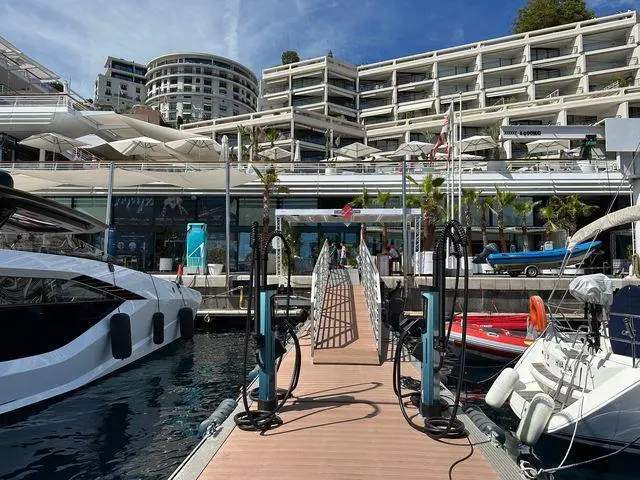
“In the recreational market, growing environmental awareness, quieter operation and lower running costs are increasing demand for electric propulsion, particularly for day boats and leisure craft.
“Commercial marine presents an equally significant opportunity. Many workboats, passenger ferries, harbour craft and service vessels operate on predictable routes with regular opportunities to recharge, making them well suited to electrification today. Operators are also under increasing pressure to reduce emissions, improve air quality and lower operating costs, creating a strong business case for electric vessels.”
Aqua is installing critical infrastructure to support commercial operators, Gill says, installing a sub-station and charging infrastructure at Canary Wharf on the River Thames in London for a passenger ferry, and dedicated charging for a fully electric mooring boat in Nantes.
“The Port of Nantes Saint-Nazaire is supporting the project through investment in grid infrastructure, including the installation of a transformer to power Aqua’s 400 kW marine fast charging system,” says Gill. “We are also in active discussions with many other locations.”