![MaritimeJournal[Seawork]](https://www.maritimejournal.com/wp-content/uploads/2026/09/MaritimeJournalSeawork.svg)






OPINION: The lesser known but vital role of the SCR
When disaster strikes at sea, to the general public it’s all about casualties and of course they are the most important thing.

But behind the scenes, the needs of salvors, shipowners, insurers and the environment also have to be managed decisively, collaboratively, and with integrity. Often overlooked, this vital role falls to the Specialist Casualty Representative (SCR), and Simon Burnay, naval architect and CEO of international maritime consultants the Waves Group, shines a light on their work.
The role of a Special Casualty Representative (SCR) is one of the most critical and misunderstood in maritime emergency response.
Introduced under the Lloyd’s Open Form with the SCOPIC clause (an optional add-on to the LOF salvage agreement to address salvage compensation shortcomings), an SCR has to provide in a crisis a stabilising presence amidst competing interests, pressure from authorities, media scrutiny and unpredictable conditions.
It starts with a call – always at night
Whether it’s a container ship on fire, a capsized ro-ro or a grounded tanker, the phone rings, and the SCR answers.
Often dropped into remote locations with little notice, the SCR is expected to hit the ground running — not as a passive observer, but as a hands-on technical leader embedded in the heart of the operation.
This is not a desk job. It’s on-deck problem-solving, safety oversight, cost scrutiny and engineering assurance rolled into one. The SCR must interrogate salvage plans, verify risk assessments, assess naval architecture data, oversee equipment deployments, and ensure that operations are safe, proportionate, and effective — all while filing daily reports and managing stakeholders with sometimes diverging priorities.
Judgement under pressure
The SCR’s dilemma is unique because it has to balance so many requirements: the salvor wants to act quickly and decisively to save the vessel and cargo and minimise environmental impact. Insurers want assurance that costs are necessary and proportional. Coastal states and port authorities want immediate containment and a plan that aligns with their jurisdictional requirements.
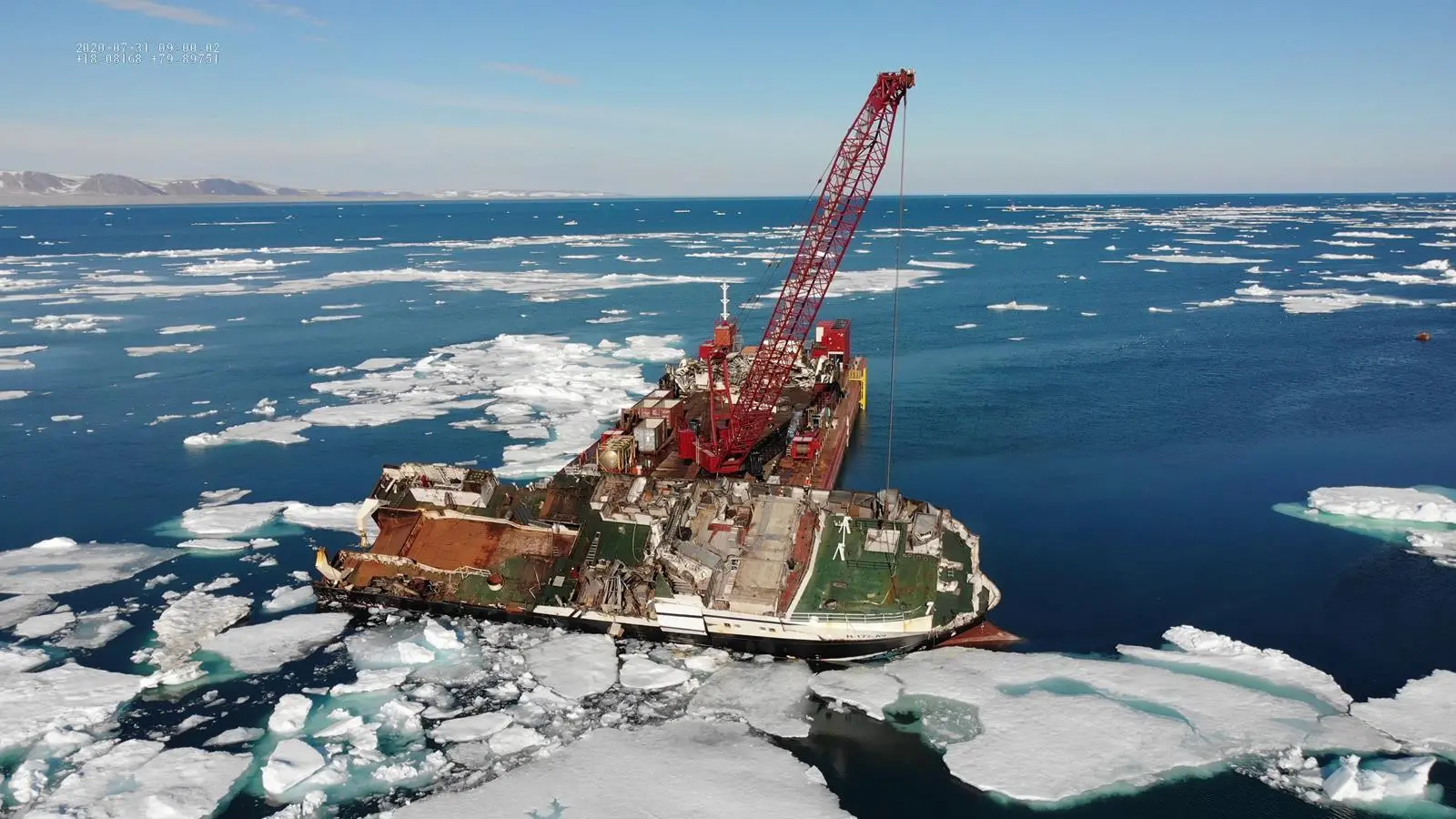
The SCR must be credible and independent, balancing all these forces without becoming adversarial.
And when time is against the SCR, and the facts are incomplete, the most valuable asset is sound judgement – a combination of deep technical understanding and operational experience.
Whether dealing with the demands of coastal state authorities or evaluating salvage equipment under SCOPIC, SCRs must represent the interests of all parties — independently and transparently.
The best ones aren’t just technically qualified – they’ve spent their careers in the thick of it, in ports or offshore emergencies, or complex salvage scenarios worldwide.
Waves Group brings together a combination of naval architects, marine engineers, casualty investigators and salvage experts who have lived this world for decades.
The evolving risk landscape — from storm intensities to larger vessels and increased traffic through constrained waterways — means that SCRs must be more dynamic than ever. The future demands SCRs who are not just auditors, but problem solvers and bridge-builders, guiding multi-party efforts with agility and resolve.
Related Articles
 SPECIAL REPORTS
 FEATURES & VIDEOS
 FEATURES & VIDEOS