![MaritimeJournal[Seawork]](https://www.maritimejournal.com/wp-content/uploads/2026/09/MaritimeJournalSeawork.svg)





Belfast Harbour claims net-zero first
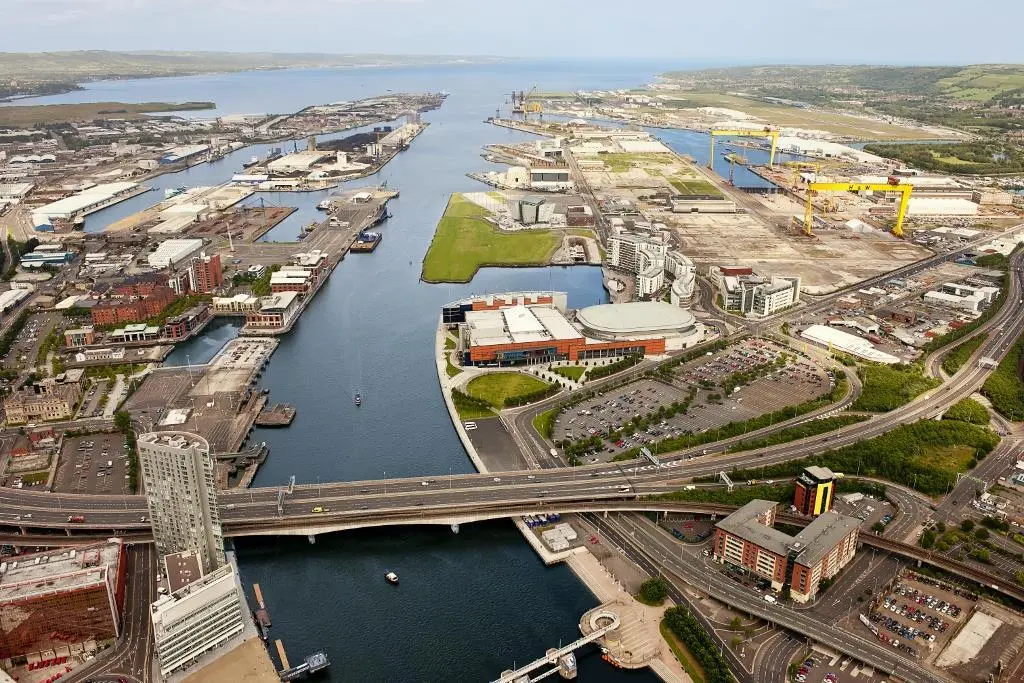
Belfast Harbour is claiming it will be the first net-zero port operator on the island of Ireland and in the UK, hitting the goal in the next two or three years.
Since 2015, it says, it has slashed its greenhouse gas emissions by 57% and in 2023 reduced Scope 1 and 2 emissions by 18%. It projects a further 40% reduction for this year.
”This has been achieved through a range of initiatives, including the introduction of new electric vehicles across its fleet and the increased use of low-carbon alternative fuels including hydrotreated vegetable oil in its pilot boats and plant machinery,” it says.
“This is part of the £374m (€436 million) decade of transformative investment which has seen Belfast Harbour make more sustainable choices in new investments,” said a spokeswoman for the company. “Belfast Harbour is a Trust Port, we do not have shareholders or pay dividends. Belfast Harbour invests all post-tax profits in improving the port and the estate for customers, port users, tenants and local communities.”
It will be a big ask: Belfast Harbour handles more than 24.5 million tonnes of trade every year, with 1.8 million people travelling through the port on passenger ferries. It is also home to some major businesses, including Harland & Wolff, Capita, CitiGroup and Bombardier.
The port says it uses 100% renewable energy in its direct operations and for some tenants, sends no waste from direct operations to landfill and consistently beats Air Quality Standards.
Belfast Harbour says it was also the first to house a bespoke offshore wind assembly and installation terminal in the UK and on the Irish island.
“Our record on greenhouse gas reduction is striking and while we had initially set a goal to be Net-Zero in our own operations by 2030, the statistics in our first ESG report show we are well ahead of that target,” said Joe O’Neill, Chief Executive of Belfast Harbour. “We are on track to be the first Net-Zero port operator in the UK and on the island in the coming 2-3 years, which is a huge achievement. Our ambition doesn’t end there, as one of the leading responsible businesses in the region we are working to find effective ways to tackle more challenging Scope 3 emissions in our supply chain.”